Why Do Cats Sleep So Much? Everything Cat Owners Need to Know
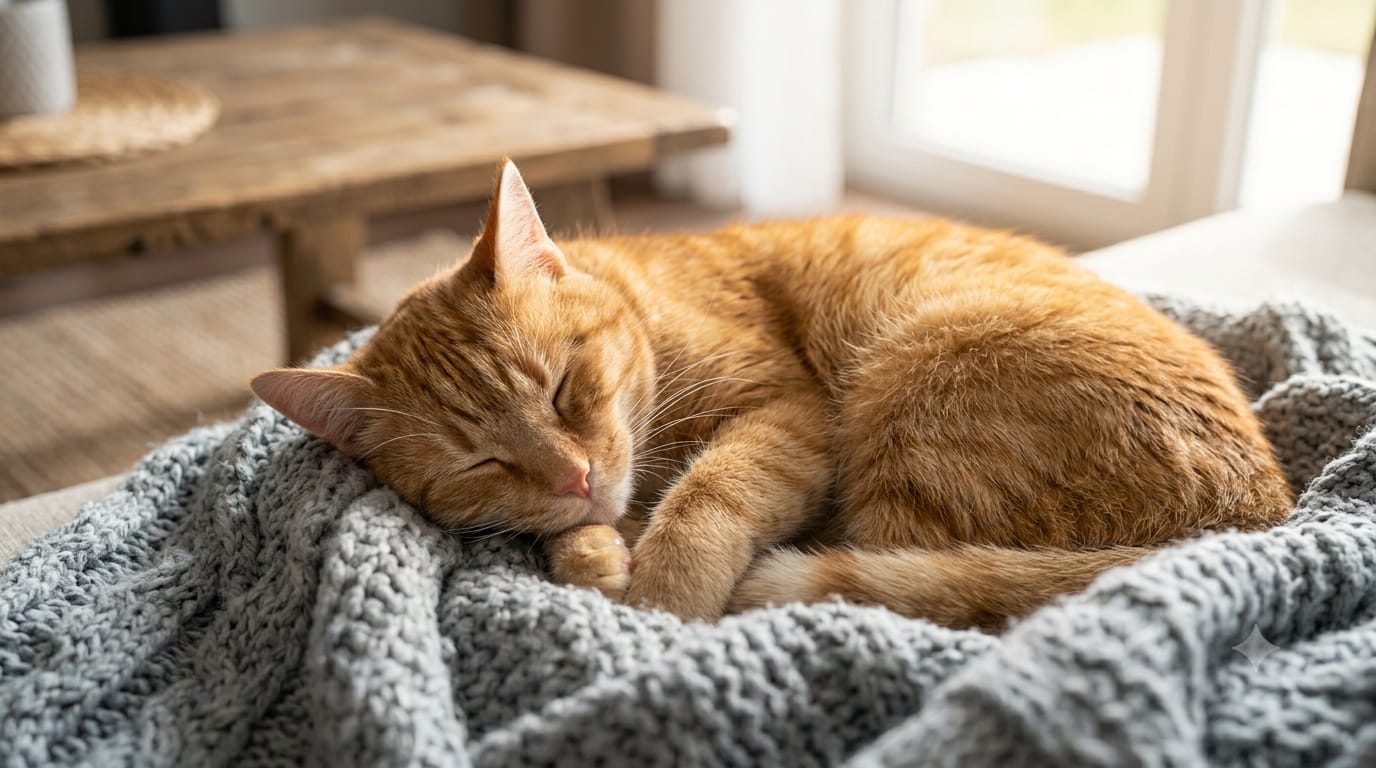
Why Do Cats Sleep So Much? If you're a cat owner, you've probably noticed that your furry companion spends a large part of the day sleeping. Whether they're curled up on the couch, stretched out in a sunny window, or tucked away in a quiet corner, cats seem to have mastered the art of napping. But is it normal for cats to sleep so much? The short answer is yes. In fact, healthy cats spend 12 to 16 hours sleeping every day, while kittens and senior cats may sleep even longer. Sleeping is a natural part of feline behavior and helps support their physical health, mental well-being, and energy levels. However, there are times when excessive sleep may signal an underlying medical problem. Understanding the difference between normal sleep habits and unusual behavior can help you recognize when your cat needs veterinary attention. In this guide, we'll explain why cats sleep so much, how sleep changes with age, and when it's time to be concerned.
Table of Contents • How Much Do Cats Sleep? • Why Cats Naturally Sleep So Much • Cat Sleep Cycles Explained • Sleep Needs by Age • Reasons Your Cat May Be Sleeping More Than Usual • When Should You Worry? • How to Keep Your Cat Active • Frequently Asked Questions • Final Thoughts
How Many Hours Do Cats Sleep? Most healthy adult cats sleep between 12 and 16 hours every day. Some particularly relaxed indoor cats may sleep 18 hours daily, especially if they have few opportunities for activity. Sleep duration usually depends on several factors, including: • Age • Overall health • Activity level • Diet • Weather • Lifestyle • Personality Outdoor cats often spend more time exploring, climbing, and hunting, while indoor cats usually have fewer physical activities, which can lead to longer naps.
Why Do Cats Naturally Sleep So Much? Unlike humans, cats evolved as predators. Although domestic cats no longer need to hunt for every meal, their bodies still follow many of the same biological instincts as their wild ancestors. Sleep helps cats conserve energy between periods of activity. In the wild, hunting requires quick bursts of speed, strong muscles, and sharp focus. Rest allows the body to recover and prepare for those energy-intensive moments. Even though your house cat receives regular meals, those natural instincts remain deeply rooted. That's why you'll often notice short periods of playful energy followed by long naps.
Cats Are Crepuscular Animals One interesting reason cats sleep during the day is that they are crepuscular animals. This means they're naturally most active during: • Early morning • Sunrise • Evening • Dusk These are the times when many small animals are most active in nature, making them ideal hunting hours. As a result, your cat may spend much of the afternoon sleeping before becoming energetic in the evening. If your cat suddenly starts racing around the house at 9 PM, they're simply following their natural biological clock.
Understanding Cat Sleep Cycles Cats don't sleep the same way humans do. Their sleep consists of two main stages. Light Sleep During light sleep, your cat remains aware of what's happening around them. You may notice: • Twitching ears • Moving whiskers • Half-open eyes • Tail movement Even while resting, cats stay alert enough to react quickly if they hear an unusual sound. This stage accounts for a large portion of their daily sleep.
Deep Sleep Deep sleep is where true physical recovery happens. During this stage: • Muscles fully relax. • The body repairs tissues. • Energy stores are replenished. • The brain processes memories. Some cats may twitch their paws or whiskers while dreaming, which is completely normal. Deep sleep usually lasts only a few minutes before the cat returns to lighter sleep.
Sleep Needs Change With Age Kittens Young kittens grow rapidly, which means they need plenty of rest. Most kittens sleep 18–20 hours every day. Sleep supports: • Brain development • Muscle growth • Immune system development • Healthy learning After a short burst of play, it's completely normal for a kitten to fall asleep almost immediately.
Adult Cats Healthy adult cats generally sleep between 12 and 16 hours daily. They usually balance periods of sleep with eating, grooming, exploring, and playing. A consistent daily routine is a good sign that your cat is healthy.
Senior Cats Older cats naturally become less active. It's common for senior cats to sleep longer because: • Their metabolism slows down. • They tire more easily. • Arthritis may reduce movement. • Chronic health conditions become more common. If your older cat suddenly begins sleeping significantly more than usual or loses interest in food, grooming, or interaction, it's worth scheduling a veterinary checkup.
Why Is My Cat Sleeping More Than Usual? Although sleeping for long hours is completely normal, a sudden increase in sleep can sometimes indicate an underlying health issue. If your cat has recently started sleeping much more than usual and you notice other unusual symptoms, it's worth paying closer attention. Here are some common reasons why your cat may be sleeping more than normal.
- Age One of the most common reasons for increased sleep is simply getting older. Senior cats naturally become less active and need more time to recover after daily activities. It's perfectly normal for older cats to spend more time resting than younger adults. However, if your senior cat becomes unusually withdrawn, stops eating, or struggles to move around, schedule a veterinary visit.
- Weather Changes Have you noticed your cat sleeping more during rainy days or cold weather? Many cats become less active when temperatures drop. Cold weather encourages longer naps because resting helps conserve body heat and energy. Likewise, during extremely hot summer days, cats may also rest more to avoid overheating.
- Boredom Indoor cats with limited stimulation often sleep simply because they have nothing else to do. Without enough physical activity or mental enrichment, your cat may spend much of the day napping. Signs of boredom include: • Sleeping most of the day • Lack of interest in toys • Weight gain • Reduced curiosity • Less interaction with family members Providing interactive toys, scratching posts, climbing trees, and daily play sessions can help keep your cat mentally engaged.
- Stress or Anxiety Major changes at home can affect your cat's behavior. Examples include: • Moving to a new house • A new baby • Another pet joining the family • Loud construction • Changes in routine Some cats hide more and sleep longer when feeling anxious. Creating a quiet, predictable environment can help them feel secure again.
- Recovery After Activity Cats often alternate between short bursts of energy and long periods of rest. After an exciting play session, zoomies, or outdoor exploration, your cat may sleep for several hours while their muscles recover. This behavior is completely normal.
Medical Conditions That Can Cause Excessive Sleeping Sometimes increased sleep is a symptom of illness. Common medical conditions include: Arthritis Painful joints can make movement uncomfortable. Cats with arthritis often: • Sleep more • Jump less • Move carefully • Avoid stairs • Stop climbing furniture
Kidney Disease Chronic kidney disease is common in senior cats. Symptoms may include: • Sleeping more • Drinking excessive water • Weight loss • Poor appetite • Vomiting
Hyperthyroidism Although hyperthyroidism usually causes increased activity, some cats become exhausted as the disease progresses. Other signs include: • Weight loss • Increased appetite • Excessive thirst • Restlessness
Diabetes Diabetic cats often appear tired because their bodies cannot properly use glucose for energy. Watch for: • Increased thirst • Frequent urination • Weight loss • Weakness
Infections Viruses, bacterial infections, or fever can leave cats feeling weak and sleepy while their immune system fights illness.
When Should You Be Concerned? Sleeping alone isn't usually a problem. However, contact your veterinarian if your cat is sleeping significantly more than normal and shows any of these symptoms: • Refusing food for more than 24 hours • Sudden weight loss • Vomiting • Diarrhea • Difficulty breathing • Trouble walking • Hiding constantly • Drinking much more water • Crying when touched • Sudden personality changes Cats are experts at hiding illness, so subtle behavioral changes shouldn't be ignored.
How to Keep Your Cat Active Helping your cat stay physically and mentally active supports better overall health. Try these simple ideas: Schedule Daily Playtime Spend at least 15–20 minutes each day using toys that encourage chasing and jumping.
Provide Climbing Spaces Cat trees and window perches encourage exercise while satisfying your cat's natural climbing instincts.
Rotate Toys Instead of leaving every toy out all the time, rotate them every few days to keep things interesting.
Use Puzzle Feeders Food puzzles challenge your cat's brain while slowing down eating and reducing boredom.
Encourage Safe Exploration Window views, catios, or supervised outdoor walks on a harness provide excellent mental stimulation. Frequently Asked Questions Is it normal for cats to sleep 16 hours a day? Yes. Most healthy adult cats sleep between 12 and 16 hours daily, while kittens and senior cats often sleep even longer.
Why does my indoor cat sleep so much? Indoor cats usually have fewer opportunities to hunt, climb, and explore. Without enough enrichment, they may spend more time resting.
Should I wake my sleeping cat? Generally, no. Cats need plenty of uninterrupted rest. Unless necessary for medication or feeding, it's best to let them wake naturally.
Why does my cat suddenly sleep next to me? Cats often choose to sleep near people they trust. Sharing a sleeping space helps them feel safe, warm, and secure.
Can too much sleep be a sign of illness? Yes. If excessive sleeping is accompanied by appetite changes, weight loss, vomiting, diarrhea, or unusual behavior, consult your veterinarian.
Final Thoughts Cats naturally spend a large portion of their lives sleeping, and in most cases, it's completely normal. Their sleep patterns are deeply connected to their instincts, age, lifestyle, and energy needs. The key is paying attention to changes. If your cat continues eating well, playing, grooming, and interacting normally, long naps are usually nothing to worry about. But if increased sleep comes with other unusual symptoms, early veterinary care can make a big difference. By providing regular exercise, mental stimulation, a balanced diet, and routine health checkups, you can help your cat stay happy, healthy, and well-rested throughout every stage of life.