Adjusting Your Cat’s Evening Routine for Autumn
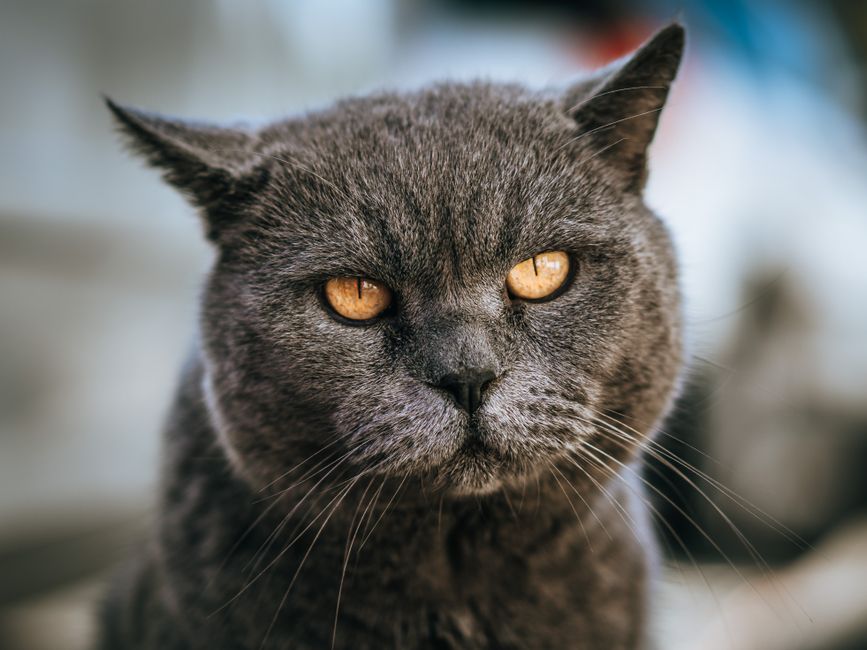
Cats are most active around dawn and dusk, a pattern called crepuscular activity. An evening burst of energy is not automatically a sign that something is wrong, so owners can offer a toy or attention earlier in the evening instead of waiting for bedtime.
When daylight ends sooner, keeping familiar parts of the day predictable helps cats cope with change. Gradual adjustments to work hours or time away from home, and maintaining regular moments such as breakfast, an evening check-in, play and the usual meal, create a recognizable pattern. For medication or a prescribed feeding schedule, owners should ask their vet how to handle the time change.
Let the cat decide whether to join in, and consult a vet about suitable exercise if movement seems uncomfortable. Cats Protection recommends keeping cats indoors at night because of risks including road accidents. If a cat suddenly behaves differently, appears unwell or loses interest in food, owners should seek veterinary advice rather than assume the season explains it.
A GPS tracker for cats, such as Pawfit, can record useful information but cannot establish the medical cause of a behavior change or replace a veterinary examination. The article provides general information and does not replace advice from a veterinarian.
Key takeaways
- Cats are crepuscular and may show extra energy in the evening.
- Maintaining predictable daily routines helps cats adjust to shorter daylight.
- Vet guidance is needed for medication, feeding schedules and exercise.
- Indoor safety at night is advised to avoid road accidents.
- Trackers are helpful for data but not a substitute for veterinary care.
Ready to bring a cat or kitten home? Browse adoptable cats and kittens on Petfinnly.
Originally reported by Cats Magazine. Read the full article.
Cover photo by Bil Hinton via Pexels.