Adult Cats Suckling: Why It Happens and How to Help
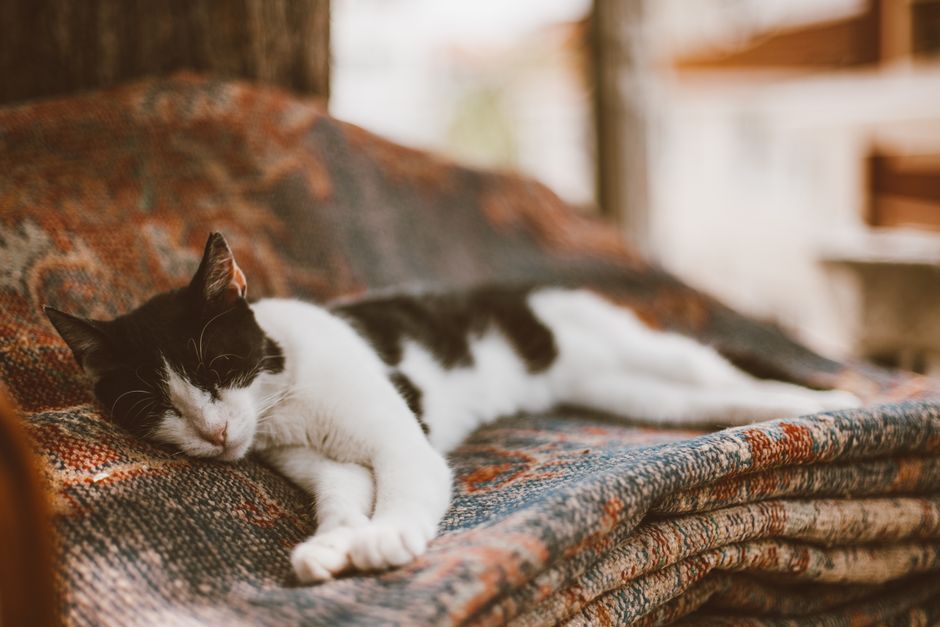
Some adult cats keep the instinct of suckling, a behavior that originates from nursing kittens. Veterinarians and feline behaviorists explain that nursing provides nutrition and comfort, and the repetitive motion can be soothing. While many kittens stop once weaned, others continue to suckle on soft items such as blankets, towels, or even their owners’ fingers.
The main reasons for continued suckling are self-soothing and early weaning. Early separation from the mother can lead to stress-related behaviors later in life. Suckling on blankets mimics the feel of a mother’s fur, offering comfort.
Excessive suckling can cause problems. It may lead to overgrooming, tail chewing, or swallowing parts of the object being sucked on. If a cat’s habit seems excessive or compulsive, a veterinarian should be consulted.
To discourage the behavior, owners can replace damaged blankets with a pet blanket or a textured toy. When a cat starts to suckle, engaging it with a feather wand can redirect its attention. Positive reinforcement-praise and high-value treats-should be given when the cat does not suckle. Shouting or punishment is discouraged, as it may worsen the habit.
Key takeaways
- Suckling is a natural instinct that can persist into adulthood.
- Self-soothing and early weaning are common causes.
- Excessive suckling can lead to overgrooming, tail chewing, or ingestion of objects.
- Replace damaged blankets with pet-safe alternatives.
- Use play, praise, and treats to redirect and reinforce good behavior.
Ready to bring a cat or kitten home? Browse adoptable cats and kittens on Petfinnly.
Originally reported by North Toronto Cat Rescue. Read the full article.
Cover photo by 大 董 via Pexels.