Cats, Harnesses, and the Science Behind Their Movements
Cats often sprint out of the litter box after taking a poop, a habit that blends wild instinct and physical relief. The hosts explain that this “poop zoomie” stems from a mix of running from scent markers and the urge to relieve themselves.
Cats are known for their ability to land on their feet, thanks to incredible spinal flexibility. However, they do not always succeed; a cat named Clutch was noted to fall on his butt at times.
Neuroscience shows that cats can walk on a treadmill using spinal reflexes without upper brain input, giving them rapid spatial awareness.
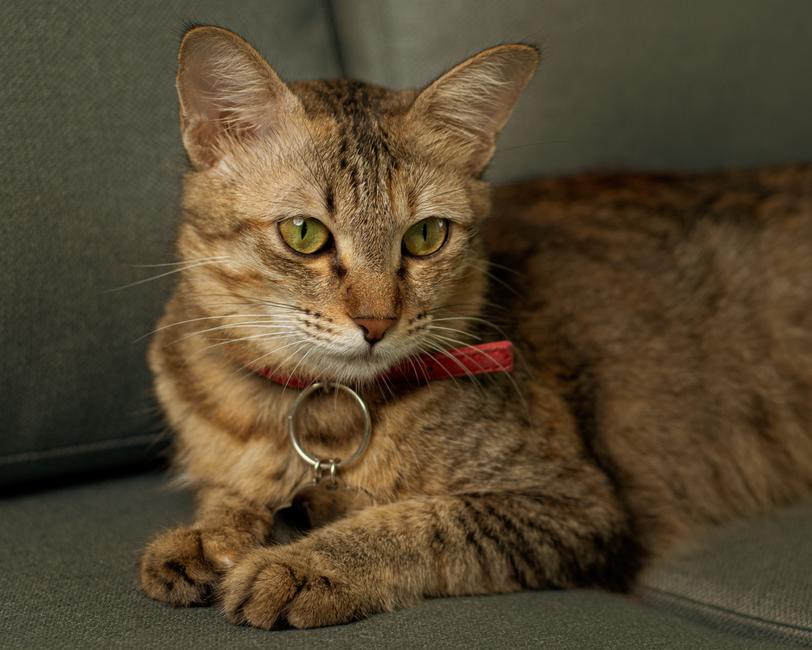
When a cat wears a coat or harness, the added clothing blunts sensory feedback from the skin, effectively “blindfolding” the body and causing temporary loss of balance until the cat adapts.
Modern veterinary trials often treat pet patients with naturally occurring conditions such as cancer or coronavirus, producing medical advances that benefit both animals and humans.
Testing human items on animals can be unreliable because substances safe for humans-like chocolate, grapes, or garlic-can be toxic to pets, and vice versa.
Key takeaways
- Poop zoomies are driven by instinct and relief.
- Cats’ spinal flexibility helps them land on their feet, but it isn’t foolproof.
- Spinal reflexes allow cats to walk without brain input.
- Harnesses disrupt a cat’s sensory feedback, causing temporary imbalance.
- Veterinary trials treat natural conditions and aid both species.
- Human products tested on animals may not translate safely to pets.
Ready to bring a cat or kitten home? Browse adoptable cats and kittens on Petfinnly.
Originally reported by Catster. Read the full article.
Cover photo by Pranjall Kumar via Pexels.