How Trap-Neuter-Return Helps Control Feral Cat Populations
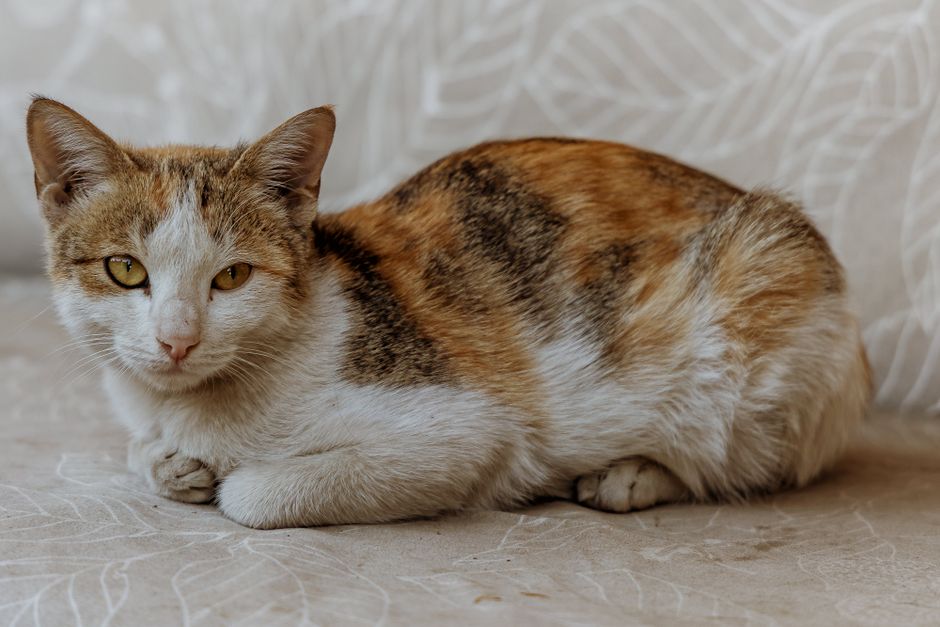
Trap-Neuter-Return (TNR) is a common strategy for managing feral cats. The method involves humanely trapping a cat, examining it, vaccinating, neutering, and marking it with a small ear notch before returning it to its original outdoor location. The goal is to reduce the number of fertile cats so that colony sizes decline over time, leading to less fighting, roaming, and disease spread.
The scale of the problem is large: about 3.3 million cats enter U.S. shelters each year, while the feral cat population is estimated at up to 100 million nationwide. Unspayed females can produce one to two litters per year, and uncastrated males can father many litters over their lifetime. Because culling is both cruel and ineffective-new cats often migrate into vacated areas-sterilization is seen as a more humane and gradual population-control method.
For those who wish to run a TNR program, local shelters or TNR groups can provide guidance. A proper humane trap, baited with wet cat food, should be checked at least every 12 hours. Cats must stay inside the trap during transport, and veterinary care should be arranged beforehand because not all clinics treat feral cats.
TNR also offers an alternative to removing cats from an area. While few feral cats can adapt to home life, those that can are best rehomed. Some evidence suggests that feeding cats a high-protein diet may reduce their prey drive, but this requires ongoing colony management.
Key takeaways
- TNR traps, neuters, vaccinates, and returns feral cats to their original sites.
- Sterilization gradually reduces colony size, lessening fighting, roaming, and disease.
- Culling is cruel and ineffective because new cats often fill the void.
- Proper traps must be checked every 12 hours and cats kept inside during transport.
- Veterinary care should be arranged in advance, as not all clinics treat feral cats.
Ready to bring a cat or kitten home? Browse adoptable cats and kittens on Petfinnly.
Originally reported by Catster. Read the full article.
Cover photo by Bilal Izaddin via Pexels.