Keep Your Hands Off When Cats Fight

When two cats clash, the instinct to grab one can backfire. Rita Reimers, a certified cat behaviorist, warns that reaching in often results in bites or scratches.
Cats bite or scratch for many reasons-catching prey, setting boundaries, fear, pain, survival, or redirected aggression. Their teeth are sharp needles that can inject bacteria straight into skin. Cat mouths carry over 200 bacterial strains, including Pasteurella multocida found in up to 90 % of healthy cats. Roughly half of cat bites become infected and usually need prescription antibiotics.
If you are bitten, wash the wound with hot water and antibacterial soap, apply antibacterial cream, and monitor for infection signs such as redness, swelling, tenderness, warmth, pus, fever, or chills. Seek urgent care if the bite is deep, on a joint, shows spreading infection, if you have diabetes or circulation issues, are immunocompromised, or if your last tetanus shot was over five years ago. Untreated bites can lead to sepsis.
To break up a fight safely, avoid using hands. Instead, use a water bottle only when no other option exists, keep eye contact away, give the cat space, and avoid crowding or hovering over it.
Key takeaways
- Never grab a fighting cat; use a water bottle only as a last resort.
- Cat bites carry a 50 % infection risk and can cause serious illness.
- Immediate washing, antibacterial cream, and monitoring for infection signs are essential.
- Seek medical care for deep bites, joint bites, or if you have health conditions that increase risk.
Ready to bring a cat or kitten home? Browse adoptable cats and kittens on Petfinnly.
Originally reported by Rita Reimers. Read the full article.
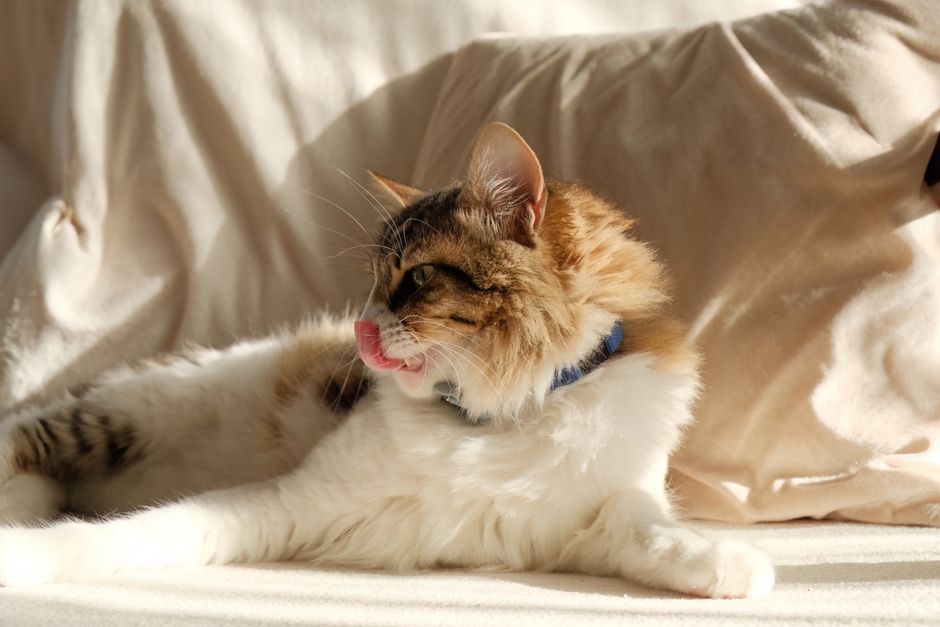
Cover photo by Tan Danh via Pexels.