Kitten’s ‘Smile’ Triggers Human Reward System
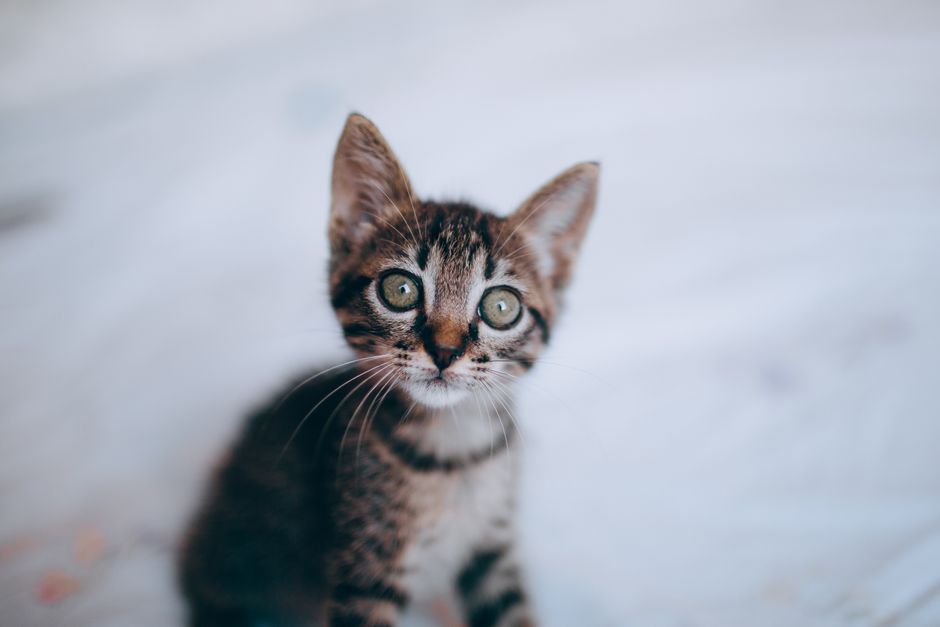
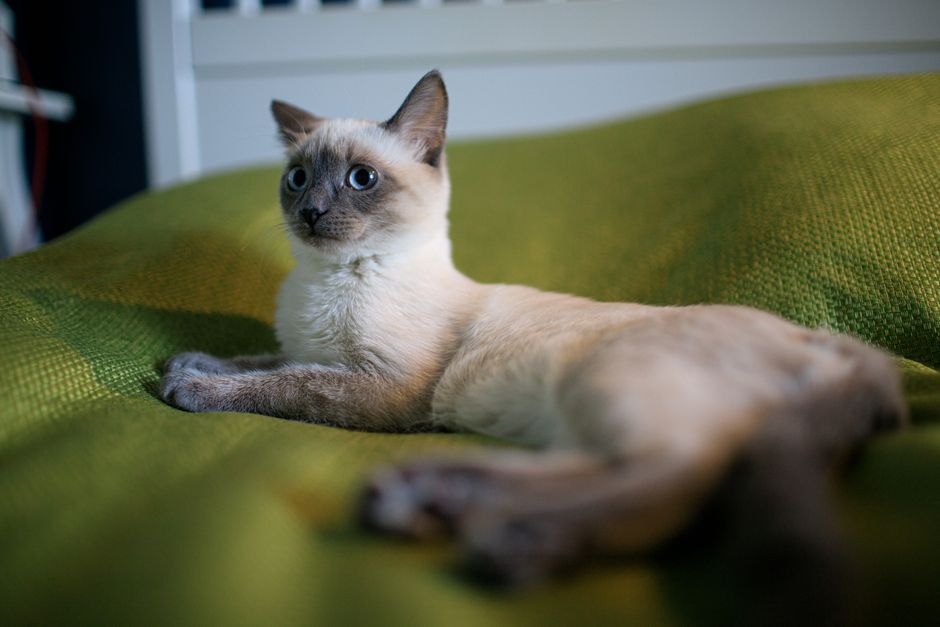
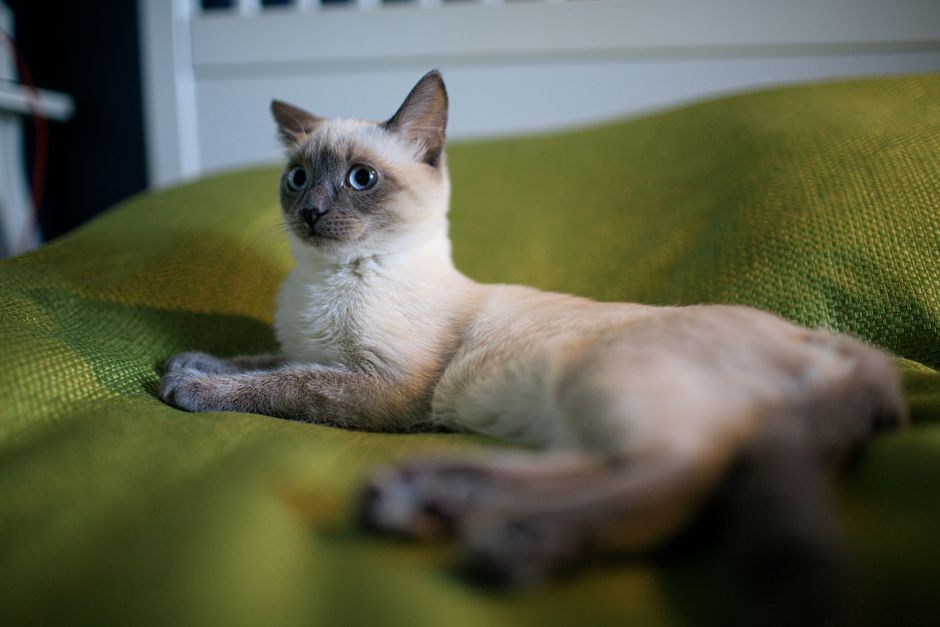
Cats can’t smile the way humans do, but a kitten’s relaxed, half-closed eyes, soft mouth and tilted head can look exactly like a smile to us. Researchers call this the baby schema (Kindchenschema), a set of infant-like features first described by evolutionary biologist Konrad Lorenz in 1943. When a kitten’s face matches those proportions, the brain’s reward chemistry is activated, releasing dopamine within a fraction of a second of viewing the image. Studies by Kringelbach and colleagues (2016) confirm that cute, baby-schema features trigger reward regions of the brain, while Odendaal & Meintjes (2003) found real spikes in oxytocin during positive interactions with animals.
Photography also plays a role. Natural light on whiskers, bright catchlights in the eyes, and a slightly tilted head all read as playful to a human viewer, making the image more engaging. These technical choices do not change the kitten’s feelings but influence how convincingly we read a feeling onto its face.
Kitten photographs have viral potential because they evoke immediate positive responses. The combination of the baby-schema effect and appealing photographic techniques explains why a single smiling kitten photo can rack up millions of shares in a day.
Key takeaways
- A kitten’s relaxed facial features can look like a human smile.
- The baby schema was first described by Konrad Lorenz in 1943.
- Viewing baby-schema features activates dopamine release in the brain.
- Positive animal interactions can spike oxytocin levels.
- Photographic choices such as natural light and catchlights enhance the perceived playfulness of kitten images.
Ready to bring a cat or kitten home? Browse adoptable cats and kittens on Petfinnly.
Originally reported by iHeartCats. Read the full article.
Cover photo by Helena Lopes via Pexels.