Orange Cats Are Mostly Tabbies, Even When They Look Solid
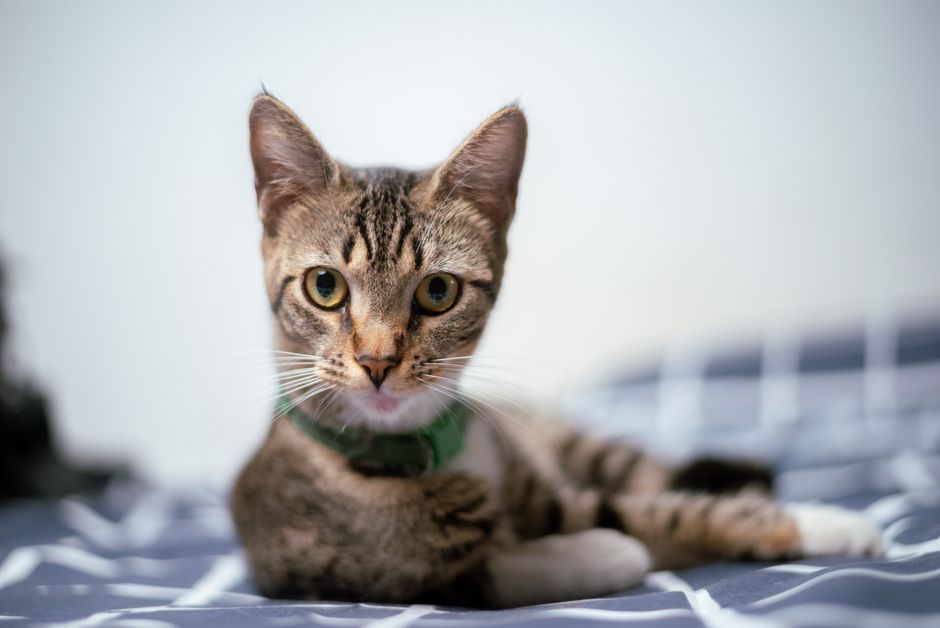
Nearly every orange cat is actually a tabby, even when the fur appears to be a single shade of ginger. A veterinarian notes that many orange cats have subtle tabby markings: an M-shaped mark above the eyes, delicate lines on the cheeks, darker bands on the legs and tail, and stripes, spots or swirling patterns on the sides. These patterns can be faint and only visible in bright light.
A tabby is not a breed but a coat pattern that shows up in many breeds and mixed-breed cats. Genetics explain why orange fur behaves differently: the tabby pattern stays visible even when other genes might hide it. About four out of five orange cats are male because the mutation that causes orange coloring is on the X chromosome; males need only one copy, females need two.
People often think orange cats are especially friendly. A UC Berkeley survey of 189 cat owners found that orange cats were commonly perceived as friendly, but the study reflected impressions rather than measured behavior. The mutation mainly affects coat color, and there is no strong evidence that orange cats are inherently more affectionate.
Key takeaways
- Most orange cats are tabbies with subtle markings.
- The tabby pattern remains visible in orange fur due to genetics.
- Four out of five orange cats are male because of an X-linked mutation.
- Surveys show orange cats are perceived as friendly, but no firm link to personality has been proven.
Ready to bring a cat or kitten home? Browse adoptable cats and kittens on Petfinnly.
Originally reported by iHeartCats. Read the full article.
Cover photo by Zoom Digital Studio via Pexels.