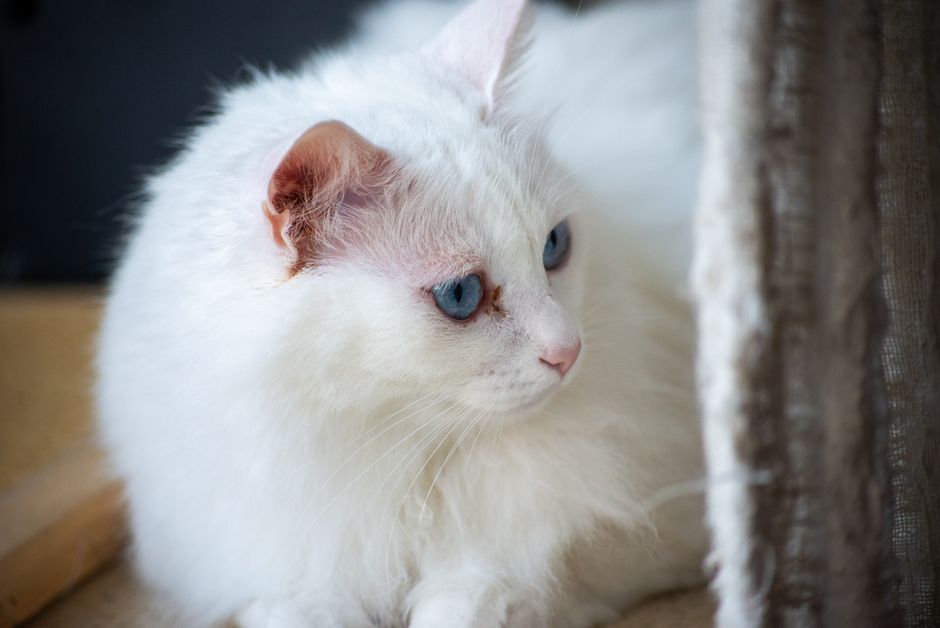
When a Cat’s Symptoms Come and Go: Spotting Autoimmune Disease

Autoimmune disease in cats is rare but can be serious and hard to diagnose because the signs are vague and often flare up and subside. Common symptoms include lethargy, weakness, loss of appetite, weight loss, vomiting, diarrhea, pale gums, unexplained bleeding, bruising, fever, rapid heart rate, rapid breathing, fatigue during play, limping, swollen joints, skin sores, poor coat, increased thirst, increased urination, and collapse.
The exact triggers are not fully understood. Viral infections, vaccination, medications, inherited conditions, hormones, poor nutrition, toxins, cancer, stress, parasites, allergies, and genetic factors have all been linked to the disease. A cat diagnosed with a hereditary autoimmune condition should not be bred.
Treating feline autoimmune disease can be complicated. Some drugs used in dogs or humans are toxic to cats. Stronger painkillers such as opioids or gabapentin may be used for severe pain but carry their own side effects.
Because the signs can appear and disappear, any of these symptoms should prompt a veterinary visit. Early investigation can make a real difference.
Key takeaways
- Autoimmune disease is uncommon but serious and hard to spot.
- Symptoms are vague, fluctuate, and can involve many body systems.
- Triggers include infections, vaccines, medications, genetics, and environmental factors.
- Certain medications safe for other species can be toxic to cats.
- Prompt veterinary care is essential when symptoms arise.
Ready to bring a cat or kitten home? Browse adoptable cats and kittens on Petfinnly.
Originally reported by Catster. Read the full article.
Cover photo by Tranmautritam via Pexels.