How Cats Show They Feel Safe at Home
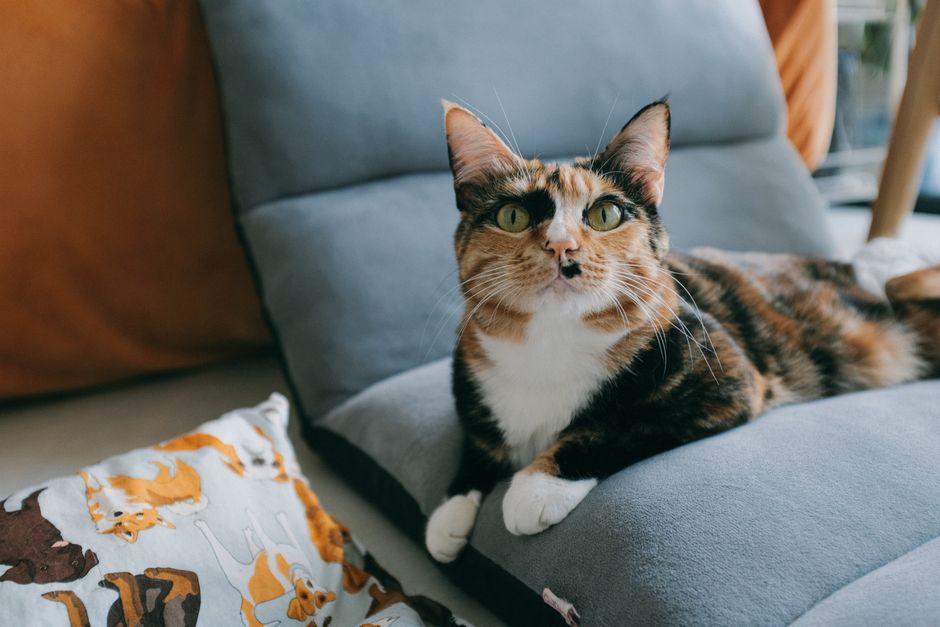
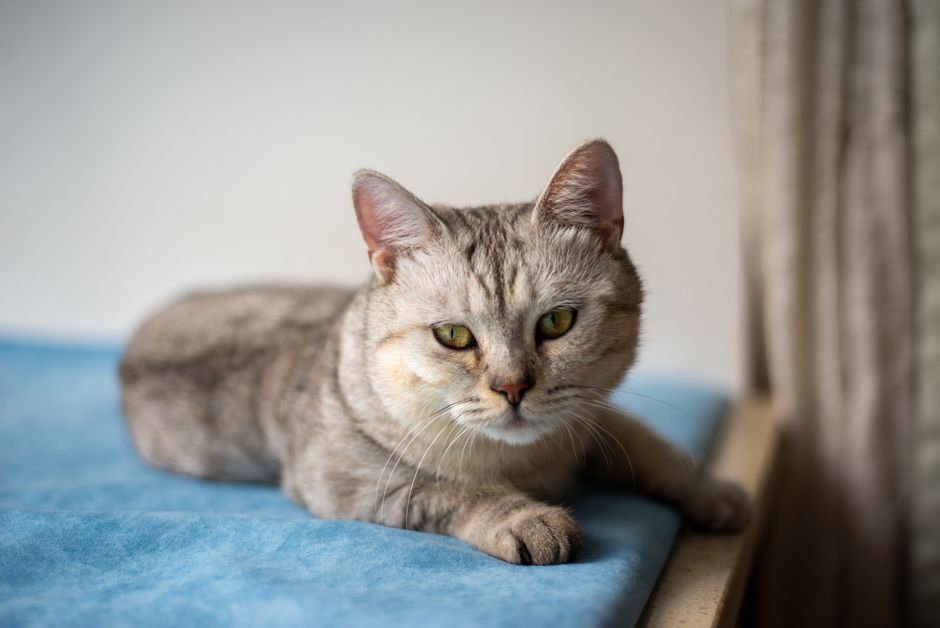
Cats often communicate their sense of security through everyday habits. When a home feels dependable, a cat may nap in open spots, stretch freely across the floor, and respond calmly to familiar sounds. These relaxed behaviors-loose muscles, peaceful breathing, and a relaxed posture-indicate that the cat trusts its surroundings enough to let its guard down.
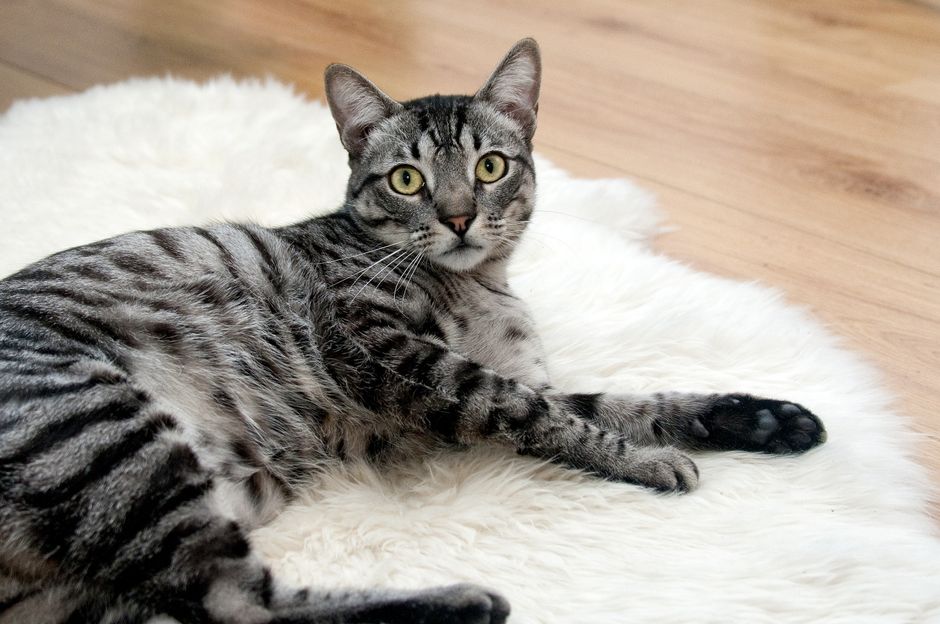
A long, loose stretch is another sign of comfort. Cats that lie on their sides, extend all four legs, or twist into relaxed positions are showing they feel secure enough to let their body relax. Temperature can influence posture, so stretching out may also help a cat cool off in warm rooms.
Grooming is a normal part of feline maintenance, but the context matters. A relaxed cat may groom beside familiar people or on a favorite surface, spending several minutes washing its face, paws, and coat. Grooming is easier when the cat does not feel the need to monitor every movement or sound. However, some grooming occurs after stressful events, so it should not be taken as a sole indicator of relaxation.
Recovery after a sudden noise also reflects a cat’s sense of safety. Most secure cats return to normal activity within seconds to a few minutes. Persistent hiding or intense reactions to ordinary events may signal stress and warrant closer attention.
Key takeaways
- Cats that nap in open areas and stretch loosely are likely feeling safe.
- Relaxed grooming beside familiar people indicates a predictable environment.
- Quick recovery from a startling sound suggests low chronic stress.
- Persistent hiding or strong reactions to normal events may signal underlying stress.
Ready to bring a cat or kitten home? Browse adoptable cats and kittens on Petfinnly.
Originally reported by iHeartCats. Read the full article.
Cover photo by Huy Phan via Pexels.