Why Cats Act Mysterious at Night
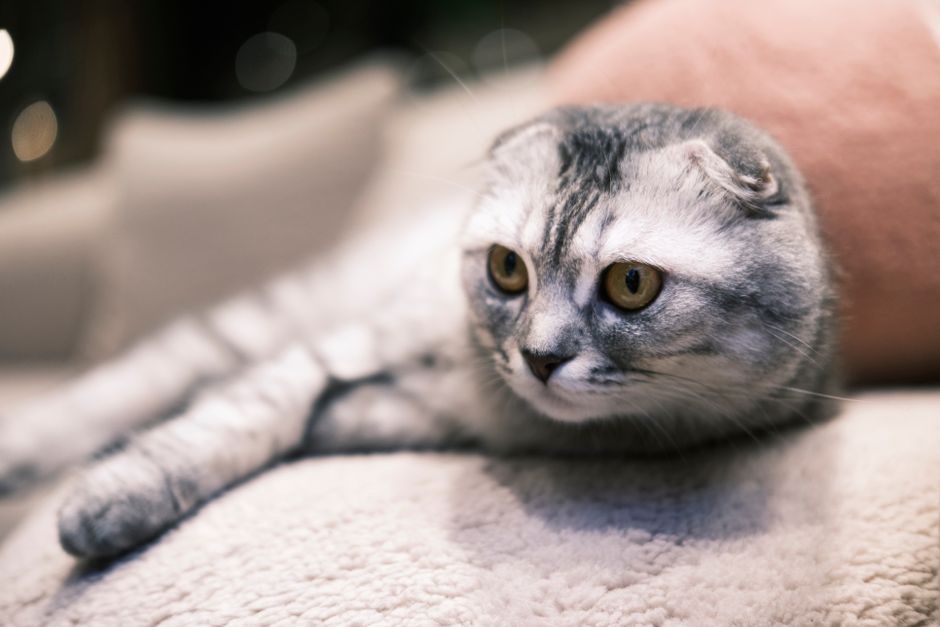
Cats are most active around dawn and dusk, a trait that remains even in house cats. Their eyes are adapted for low light, thanks to a reflective layer that helps them see in dim conditions, but they still need some light to spot shapes and movement.
Cats also have very sensitive hearing, allowing them to notice subtle sounds that humans might miss. This can make a quiet house feel like a stage for their attention.
When a cat has rested most of the day, it may suddenly sprint through rooms, jump on furniture, and run across the floor in bursts of energy known as the zoomies. Cats that do not get enough activity during the day may be especially eager to release that energy when the house quiets.
Providing interactive play, climbing spaces, and stimulating toys can help satisfy these natural needs and reduce late-night sprints.
Cats retain hunting instincts such as stalking, chasing, and pouncing, and nighttime offers opportunities to practice these behaviors.
Key takeaways
- Cats are crepuscular, peaking in activity at dawn and dusk.
- Their vision is tuned for low light but not complete darkness.
- Sensitive hearing lets them detect faint sounds.
- Rested cats may exhibit zoomies; enrichment can help.
- Hunting instincts remain active, especially at night.
Ready to bring a cat or kitten home? Browse adoptable cats and kittens on Petfinnly.
Originally reported by iHeartCats. Read the full article.
Cover photo by Yusuf Çelik via Pexels.