Daily Care, Not Donations, Defines TNR Responsibility
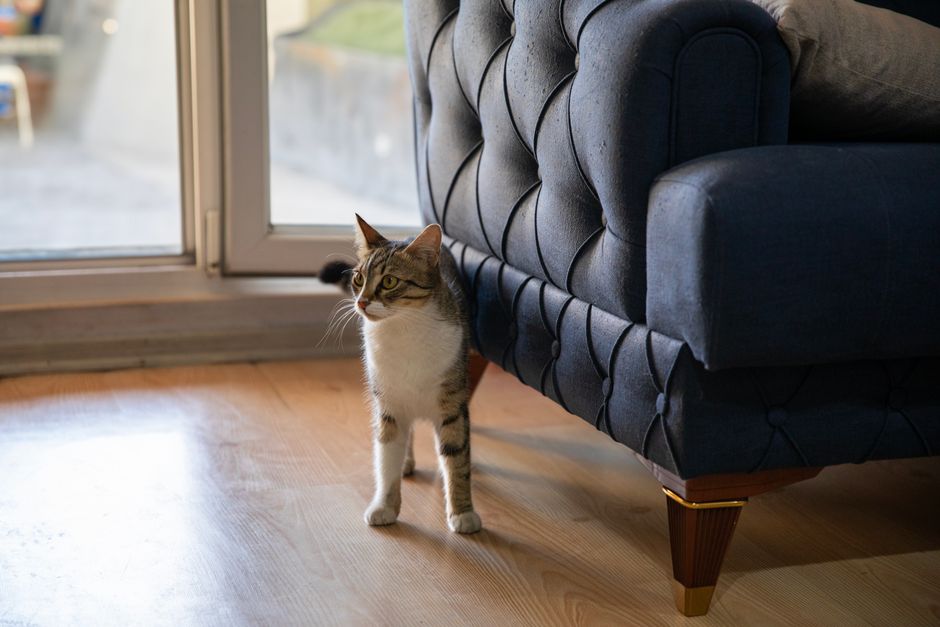
The story of Dude, a stray cat in a neighborhood, illustrates that true responsibility in TNR comes from daily care rather than financial contributions.
Dude has lived under the care of one household for years. He sleeps in their heated shelters, eats food they provide twice a day, and relies on their cooling mats during heat waves. When he has injuries, the caretaker traps him, transports him to a veterinarian, pays for treatment, and nurses him back to health.
In 2024 Dude suffered an ingrown toenail that required removal, antibiotics, and monitoring. The caretaker caught him in a winterized humane trap and arranged for the necessary care. A year later, in 2025, Dude limped again; a neighbor covered the medical bill, but the caretaker continued to manage the recovery.
The 2026 heat wave forced Dude indoors because temperatures reached 110°F, a danger for an older stray with a history of injuries. The neighbor who had previously donated did not check on Dude or ask about his well-being.
According to the article, paying for a stray’s medical bill does not make one the owner. Daily care, long-term responsibility, and consistent presence establish the caretaker’s role.
Dude remains safe indoors and will receive ongoing medical care from the veterinarian familiar with his history. The caretaker views Dude as part of their family’s responsibility and heart.
Key takeaways
- Daily care, not donations, defines responsibility in TNR.
- The caretaker provides shelter, food, and medical treatment for Dude.
- Financial contributions do not confer ownership.
- Heat waves can endanger stray cats, requiring indoor shelter.
- The caretaker continues to manage Dude’s health and well-being.
Ready to bring a cat or kitten home? Browse adoptable cats and kittens on Petfinnly.
Originally reported by Cat Adoption Guide. Read the full article.
Cover photo by Serkan Dinç via Pexels.