Why Keeping Your Cat Home After a Loss Helps Both of You
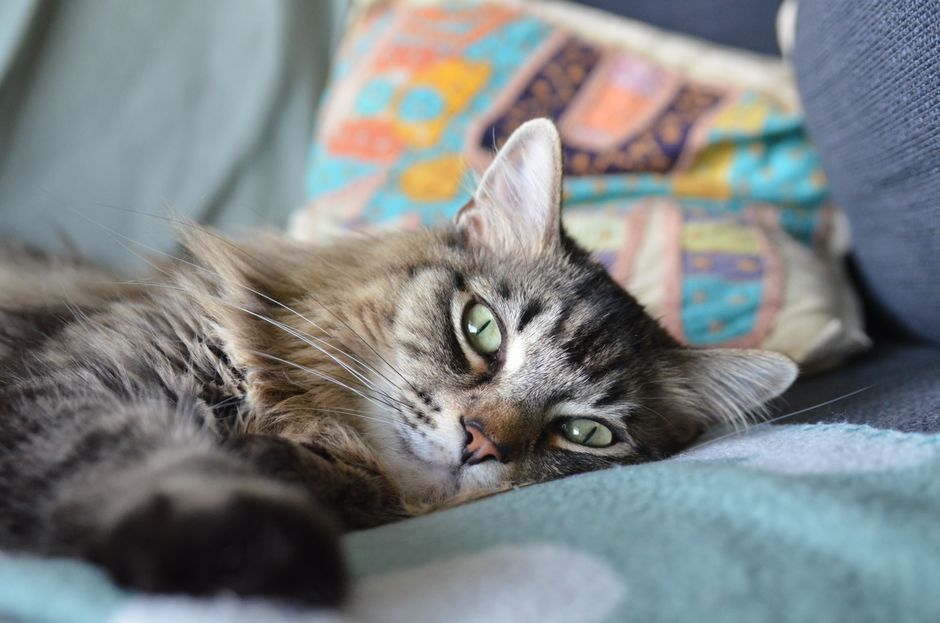
When a spouse dies, the cat also grieves. The article explains that cats form strong bonds with their humans and feel the absence of their primary caregiver. They may search the house, wait at doors, and listen for footsteps that never come.
Cats show physical signs of mourning such as increased sleep, hiding or withdrawing to quiet corners, losing interest in play, changing vocalization, and eating less. These behaviors are not bad; they are expressions of grief.
Removing a grieving cat from its familiar environment can worsen its distress. The loss of routine, territory, and the only familiar human can lead to anxiety, depression, and acting out behaviors. A mourning cat may hiss or scratch, scratch furniture, refuse food, sleep excessively, or withdraw from interaction.
Cats also sense human sadness. When an owner cries, the cat often comes closer to comfort them. Keeping the cat close during this fragile period is described as a shared path toward healing for both owner and cat.
Key takeaways
- Cats grieve their human companion similarly to humans.
- Grieving cats may sleep more, hide, lose interest in play, change vocalization, and eat less.
- Rehoming a mourning cat can cause lasting emotional trauma.
- Cats can sense sadness and may try to comfort their owner.
- Staying with the cat during mourning helps both parties heal.
Ready to bring a cat or kitten home? Browse adoptable cats and kittens on Petfinnly.
Originally reported by Cat Adoption Guide. Read the full article.
Cover photo by Jo Jo via Pexels.