How to Choose the Right Cat to Adopt: Personality Matters More Than Looks
Picking a cat based only on appearance is easy. That fluffy face, unusual coat or tiny kitten can be hard to resist. But looks tell you very little about whether a cat will actually fit your home. Age, energy level, temperament and previous experience with people can matter much more. Here's what to look at before bringing a cat home.
Start With Your Lifestyle
The right cat depends partly on what a normal day looks like in the household. Someone who works from home may be comfortable with a social cat that wants attention throughout the day. Someone who works long hours might do better with a more independent adult cat.
According to the Petfinnly's research, cats that are matched to a household's daily routine tend to have fewer obvious adjustment problems during the early adoption period. The exact outcome still depends on the individual cat.
Kitten or Adult Cat?
Kittens are playful, curious and usually require more supervision. They also have developing social habits and can get into places that an adult cat would completely ignore.
Adult cats can be easier to evaluate because their personality is already more established. A shelter may already know whether a particular adult cat likes being handled, lives comfortably with other animals or prefers a quiet home.
| Cat type | What to expect |
|---|---|
| Young kitten | High energy, frequent play and more supervision |
| Young adult | Active but usually more predictable than a kitten |
| Adult cat | Personality is easier to evaluate before adoption |
| Senior cat | Often calmer but may need more routine veterinary care |
Watch the Cat's Behavior
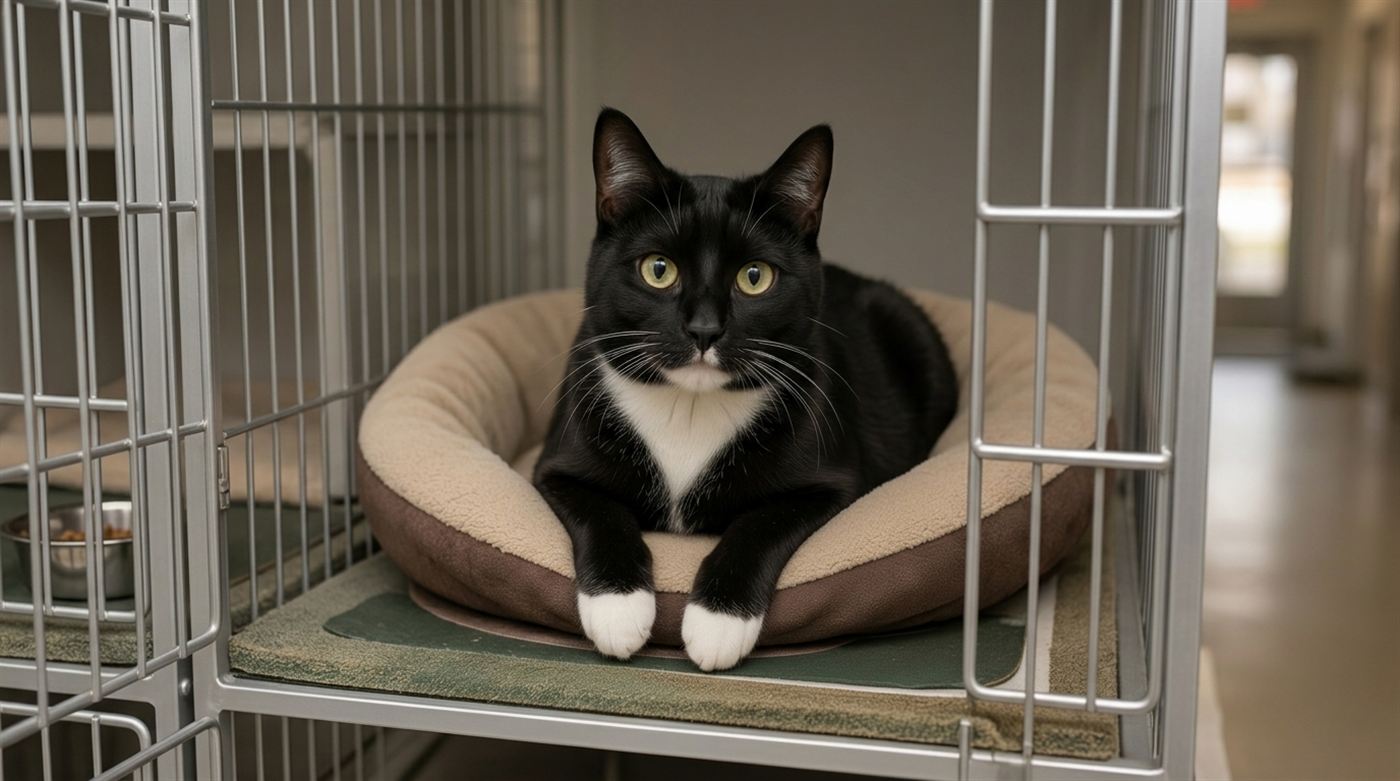
Don't judge a cat after five seconds. Shelter environments can make even friendly cats nervous. A cat hiding in the back of a kennel isn't automatically unfriendly.
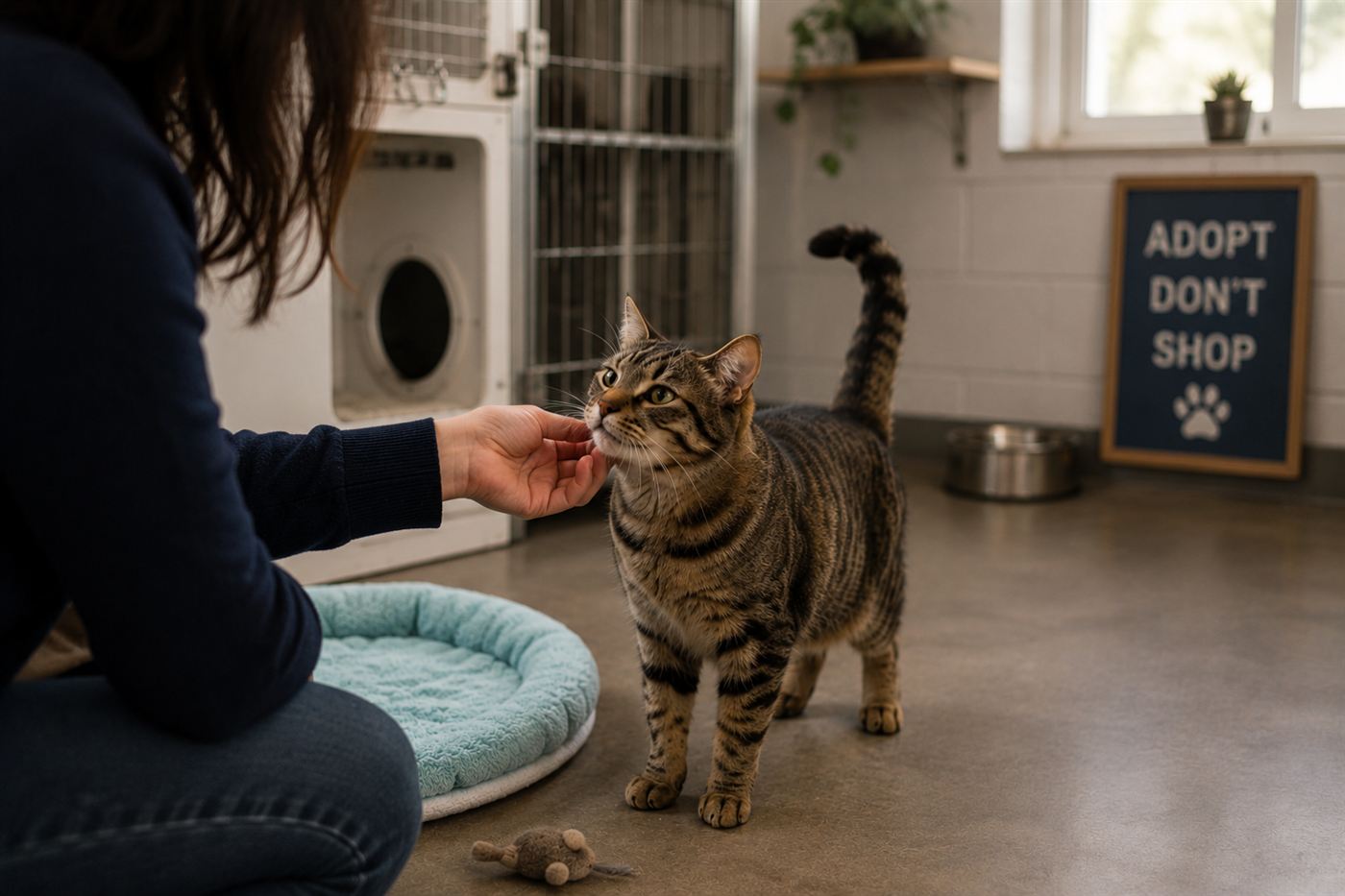
Look for smaller signals. Does the cat become curious when someone sits nearby? Does it approach voluntarily? Does it relax after a few minutes? Does it tolerate gentle handling? These details can tell you more than whether the cat immediately jumps into someone's lap.
Consider Other Pets
If there is already a cat or dog at home, compatibility becomes more important. A cat that is perfectly comfortable around people may still dislike living with another animal.
Ask the shelter or rescue what they know about the cat's previous living situation. If possible, ask whether the cat has lived with dogs, cats or children before.
Look Beyond the Breed
Breed can influence some physical traits and tendencies but it doesn't completely determine personality. Two cats of the same breed can have very different temperaments.
This is especially important when adopting mixed-breed cats. Coat color, eye color and pattern can be interesting but they shouldn't be the main reason for choosing a particular cat.
The Best Cat Is the Right Match
There isn't one perfect cat for everyone. A quiet adult may be ideal for one household while an energetic kitten may be perfect for another.
The goal isn't to find the most beautiful cat in the room. It's to find a cat whose needs and personality make sense for the life that can actually be provided.
Frequently asked questions
Should I adopt a kitten or an adult cat?
It depends on the household. Kittens usually need more supervision and play while adult cats can have more predictable personalities.
How can I tell if a shelter cat is friendly?
Give the cat some time. Look for relaxed body language, curiosity and voluntary interaction rather than expecting immediate affection.
Does cat breed determine personality?
Breed can influence tendencies but individual personality is still extremely important.
Should I choose a cat based on its appearance?
Appearance can be part of the decision but temperament, age, health and compatibility with the household matter much more.
What if I already have another pet?
Ask about the cat's history with other animals and plan a slow introduction rather than putting the animals together immediately.
This article is for general information and isn't a substitute for advice from your own veterinarian, who can properly evaluate adoption suitability and health concerns in your specific cat.