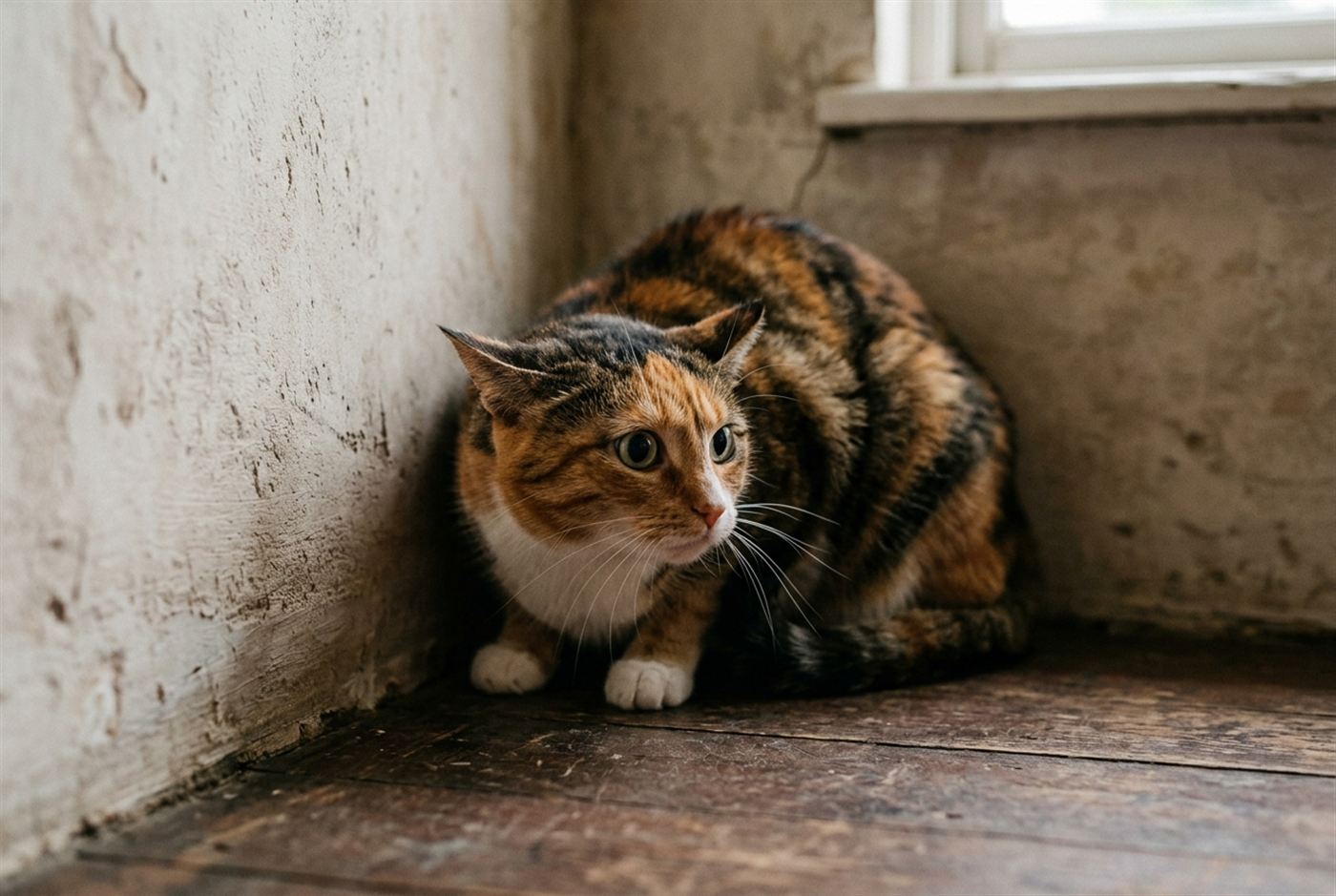
Why Your Cat Bites You During Petting: The Overstimulation Trigger
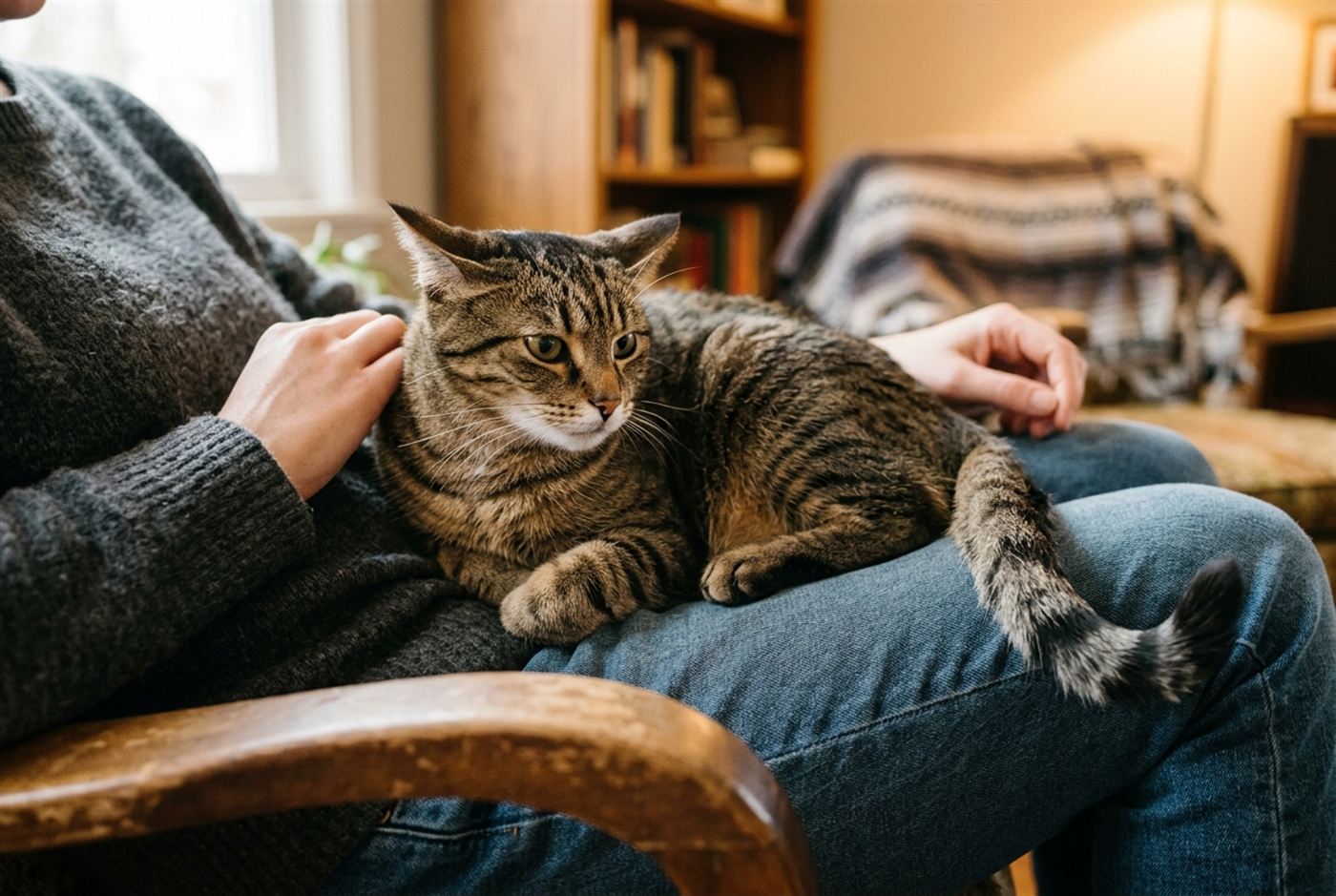
You are sitting on the couch scratching your cat under the chin and they are purring so loud the cushion vibrates. Out of nowhere, they whip their head around, sink their teeth into your wrist and kick your arm with their back feet. You just experienced petting-induced aggression, which happens when a cat gets overstimulated by the exact touch they were enjoying seconds earlier.
What happens in the cat's brain
When you pet a cat, you are stimulating the nerve endings along their hair follicles. At first, this feels great to them, like a good massage feels to a person. But as the petting continues, the sensation compounds and shifts from pleasant to intensely irritating.
Think of it like someone tickling you. It starts out funny, but if they do not stop, it quickly becomes physical torture. The cat's nervous system gets overwhelmed by the repetitive input and their brain flips a switch from relaxed to defensive mode. They bite because it is the fastest way to make the sensation stop right now.
Some cats have an incredibly low threshold for this kind of touch. A cat that spent their first three months of life largely unhandled might only tolerate three strokes down the back before their skin starts crawling. According to the Petfinnly's research, cats with limited handling in their first few months make up a disproportionate share of shelter surrenders logged for petting-related biting. Age also plays a role, as older cats with hidden arthritis might suddenly bite when you brush over a sore joint they have been hiding.
How to read the early warning signs
The cat isn't choosing to attack you out of malice. They almost always give you clear physical warnings before they bite, but you have to know what to look for. The most obvious tell is the tail, which will stop moving smoothly and start twitching or thumping against the couch.
You will also see their skin ripple or twitch, especially along the lower back near the base of the tail. Their ears might rotate sideways or flatten back slightly and their purring will abruptly stop. If your cat shifts their weight away from your hand or suddenly turns to stare hard at what you are doing, they are telling you they are done.
Missing these signs is what gets you bitten. Once their eyes dilate and their body tenses up, the window for a peaceful exit has closed. If you keep petting them past this point, you are ignoring their boundary and forcing them to escalate.
Stopping before they snap at you
The easiest way to prevent these bites is to map out your cat's specific threshold. If they always bite after five minutes of petting, you need to stop at three minutes. Leave them wanting more instead of pushing them until they are uncomfortable.
Keep your petting focused on the areas where cats groom each other, like the cheeks, under the chin and the base of the ears. Long strokes down the entire length of the back are highly stimulating and much more likely to trigger an aggressive response. Do not trap them in your lap or wrap your arms around them while you pet, as feeling confined amplifies their stress.
If they do bite, freeze your hand completely still. Pulling away triggers their predatory reflex to grab harder. Wait until they loosen their grip, calmly slide your hand away and get up and walk away to give them space.
Rating the petting zones on a cat
| Body Area | Tolerance Level | Risk of Bite | Best Approach |
|---|---|---|---|
| Cheeks and chin | Extremely high | Very low | Gentle scratching |
| Base of ears | High | Low | Light rubbing |
| Full back strokes | Moderate | High | Keep strokes short |
| Belly and paws | Extremely low | Very high | Avoid entirely |
Frequently asked questions
Does this mean my cat is just mean?
No. It means their nervous system gets overwhelmed easily. They are reacting to a physical sensation they can no longer tolerate.
Can I train them to like petting more?
You can gradually increase their tolerance. Offer them high-value treats while petting them for very short bursts, stopping well before they get agitated.
Why do they beg for attention and then bite me?
They want attention, but they want it on their terms. They might prefer sitting next to you or rubbing against your leg rather than being stroked repeatedly.
Should I punish them when they bite?
Never. Yelling, tapping their nose, or spraying them with water will just make them fear you. It breaks their trust and makes future aggression more likely.
Is it safe to pet them when they are sleeping?
Usually, yes, but keep it brief. Waking a cat with sudden physical contact can startle them, triggering a defensive bite before they even know who you are.
This article is for general information and isn't a substitute for advice from your own veterinarian or a certified feline behaviorist, who can properly evaluate petting-induced aggression in your specific cat.