Why Cats Hiss: What That Sound Actually Means
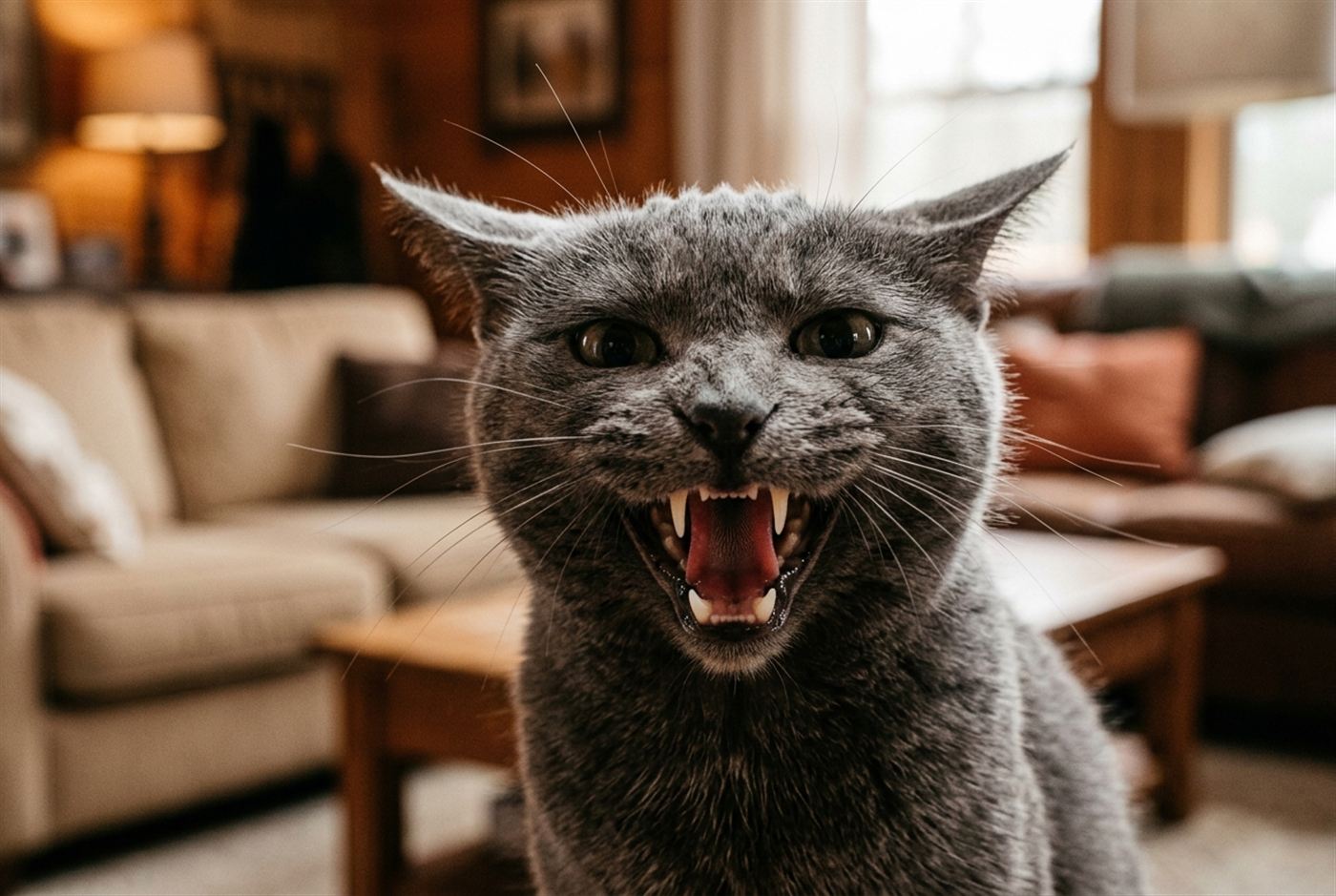
You drop a pan in the kitchen and your cat bolts under the dining table. When you reach down to pull them out, they flatten their ears, bare their teeth and let out a sharp, venomous hiss that stops you in your tracks. Hissing is one of the most misunderstood behaviors in the feline world, often mistaken for pure anger when it is actually a desperate plea for distance.
The science behind the sound
When a cat hisses, they are forcing a burst of air through their arched tongue and open mouth. This creates a sharp, broadband noise that sounds remarkably like a snake about to strike. Biologists believe this is a form of protective mimicry, an evolutionary trick where a vulnerable animal imitates a deadly one to scare off predators.
A hiss is fundamentally a defensive mechanism. Think of it like a car alarm going off. It is an involuntary reaction designed to startle a threat and buy the cat enough time to escape. The cat isn't plotting to attack you; they are terrified and trying to avoid a physical fight at all costs.
Cats rarely hiss at each other unless there is a serious dispute. In multi-cat households, a hiss usually means one cat has pushed past another's boundaries. It is the feline equivalent of screaming "back off right now."
What emotional states trigger a hiss
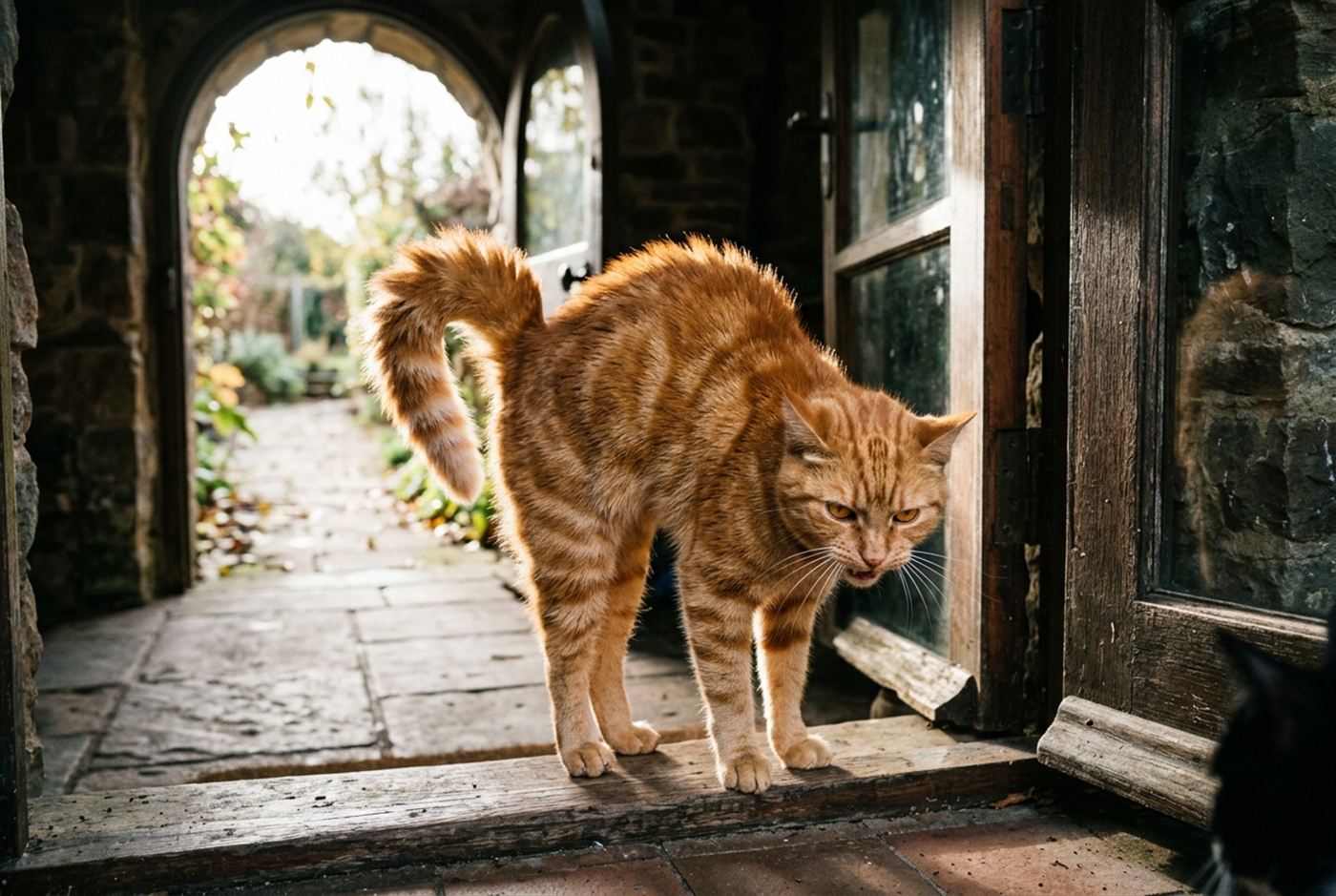
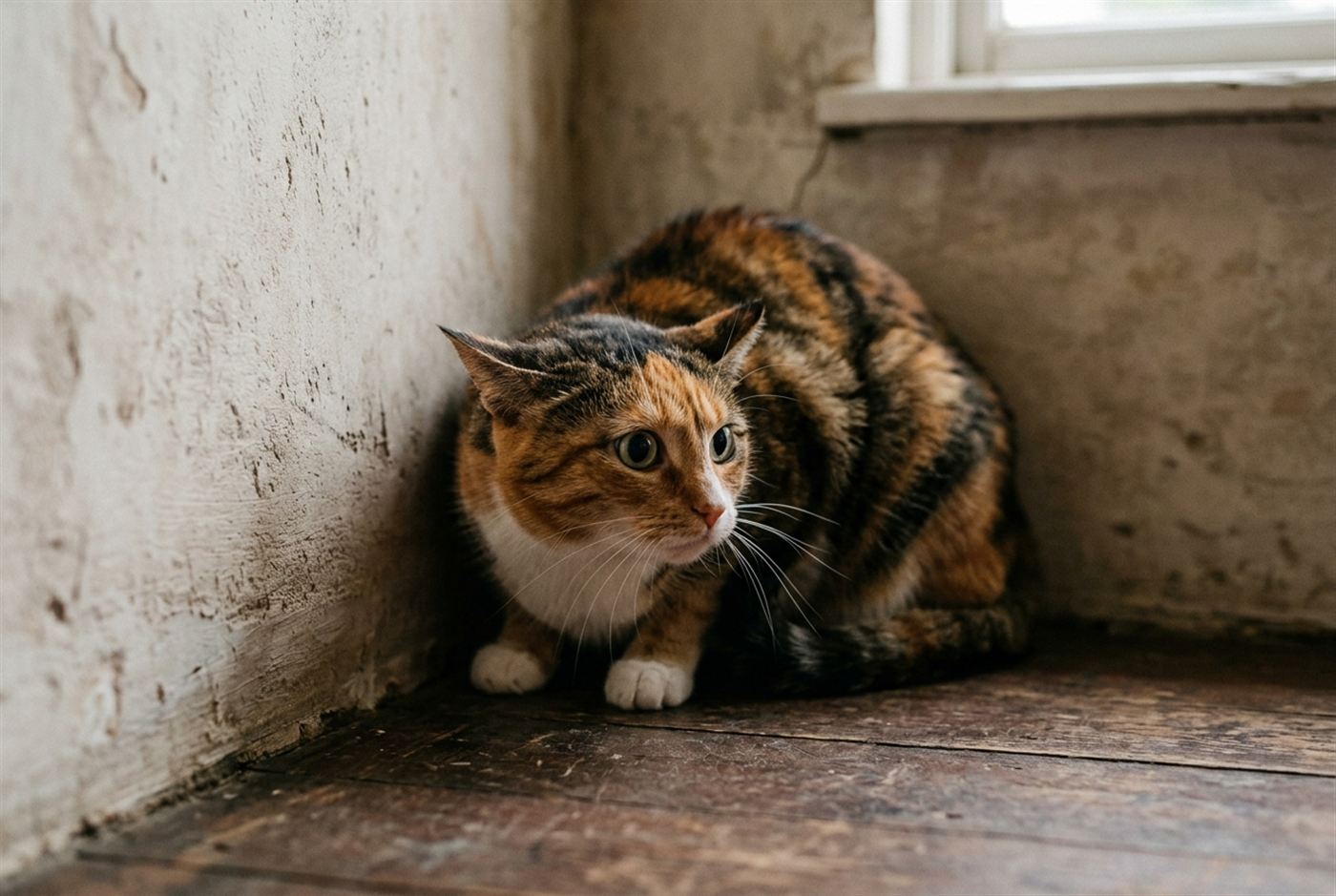
Fear is the absolute biggest driver of hissing. When a cat gets cornered by a loud noise, a strange dog, or a vacuum cleaner, their fight-or-flight response kicks in. If flight isn't an option, they will hiss to make themselves look as dangerous as possible.
Pain is the second most common trigger. A cat with a hidden injury, severe dental disease, or arthritis might hiss the second you touch a sore spot. It is a sharp, reactive warning that the contact hurts. According to the Petfinnly's research, pain was the identified trigger behind roughly one in five sudden-hissing complaints logged by shelter staff during intake exams. If your normally sweet cat suddenly starts hissing when picked up, a trip to the vet is mandatory.
Frustration can also lead to hissing, though it is less common. A cat that sees a bird through a window but cannot reach it might get so keyed up that they hiss when you walk by. They are displacing their intense predatory frustration onto the nearest moving target.
When hissing signals a real problem
A random hiss because you stepped on their tail is normal. But chronic hissing means your cat is living in a constant state of high stress. If your cats are hissing at each other daily, their relationship is breaking down and a physical fight is likely imminent.
You should never punish a cat for hissing. Yelling at them or squirting them with water just proves to them that their fear was justified. You are taking a terrified animal and giving them a reason to be even more terrified of you.
Instead, when a cat hisses, respect the warning. Freeze, slowly back away and give them the space they are begging for. Let their adrenaline drop, which can take several hours, before you try to interact with them again.
Decoding feline vocalizations
| Sound | Primary Emotion | Intent | How to React |
|---|---|---|---|
| Purr | Contentment or pain | Self-soothing | Observe context |
| Meow | Needs attention | Communication | Respond calmly |
| Growl | Anger or extreme fear | Serious warning | Back away immediately |
| Hiss | Fear or sudden pain | Create distance | Stop and retreat |
Frequently asked questions
Why does my cat hiss at me when I smell like another animal?
Cats rely heavily on scent to identify friends. If you smell like a strange dog, your cat doesn't recognize you immediately and reacts to the foreign scent as a threat.
Is it normal for a mother cat to hiss at her own kittens?
Yeah. When kittens are around eight weeks old, the mother will hiss to enforce boundaries and start the weaning process.
Do some breeds hiss more than others?
No. Hissing is universal across all domestic cats. A cat's individual temperament and past trauma dictate how often they hiss.
My cat hisses while playing, should I stop?
Usually, yes. A hiss means the play has gotten too rough and crossed over into genuine fear or frustration.
Can a hiss mean they are happy?
Never. Hissing is always a negative reaction tied to stress, fear, pain, or intense agitation.
This article is for general information and isn't a substitute for advice from your own veterinarian or a certified feline behaviorist, who can properly evaluate hissing behavior in your specific cat.