How to Check a Cat's Health Before Adoption: Things Worth Looking At
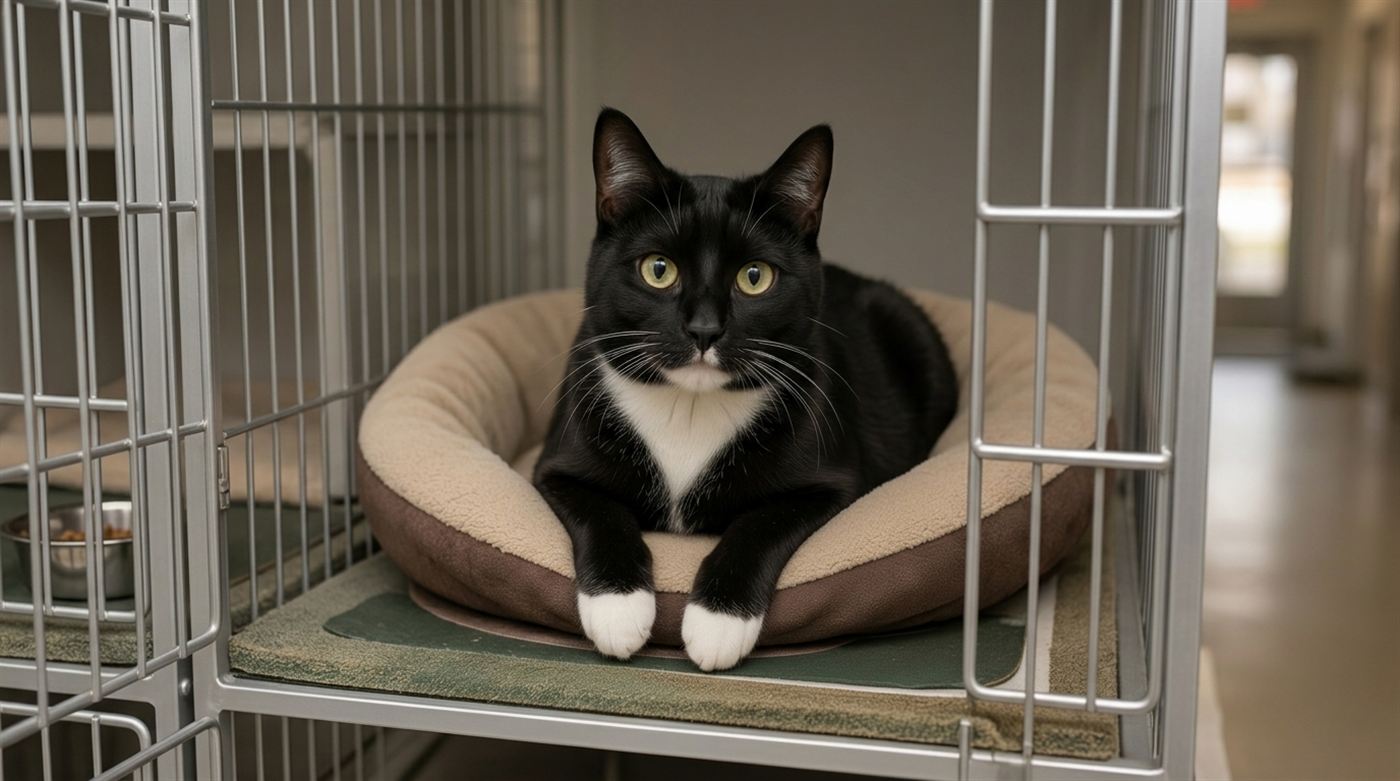
Adopting a cat is exciting but it is also worth taking a few minutes to look at the cat's general condition. A shelter cat doesn't need to look perfect. Stress, recent illness and shelter conditions can temporarily affect appearance. Still, there are some useful things to notice before bringing a cat home.
Look at the Eyes
The eyes should be examined for obvious discharge, swelling or persistent squinting. A little crust around the eyes can happen but heavy discharge or obvious irritation deserves attention.
Don't try to diagnose an eye problem from appearance alone. The purpose of checking is simply to notice something that should be discussed with the shelter or veterinarian.
Check the Nose and Breathing
Watch the cat while it is resting. Breathing should not look like hard work. Open-mouth breathing in a cat is not something to casually ignore.
Nasal discharge, repeated sneezing or noisy breathing can also be worth asking about. Shelters may already know whether the cat is receiving treatment for a respiratory problem.
Look at the Coat and Skin
A healthy coat can vary considerably between cats. Some cats naturally have short sleek coats while others have long thick fur.
Look for major bald patches, widespread redness, excessive crusting or large areas of obvious irritation. Fleas can sometimes be seen moving through the fur but they aren't always easy to spot.
| What to check | Things worth asking about |
|---|---|
| Eyes | Discharge, swelling or persistent squinting |
| Nose | Heavy discharge or repeated sneezing |
| Coat | Bald patches, parasites or severe matting |
| Body condition | Very thin or unusually overweight appearance |
| Movement | Limping, weakness or difficulty walking |
Watch How the Cat Moves
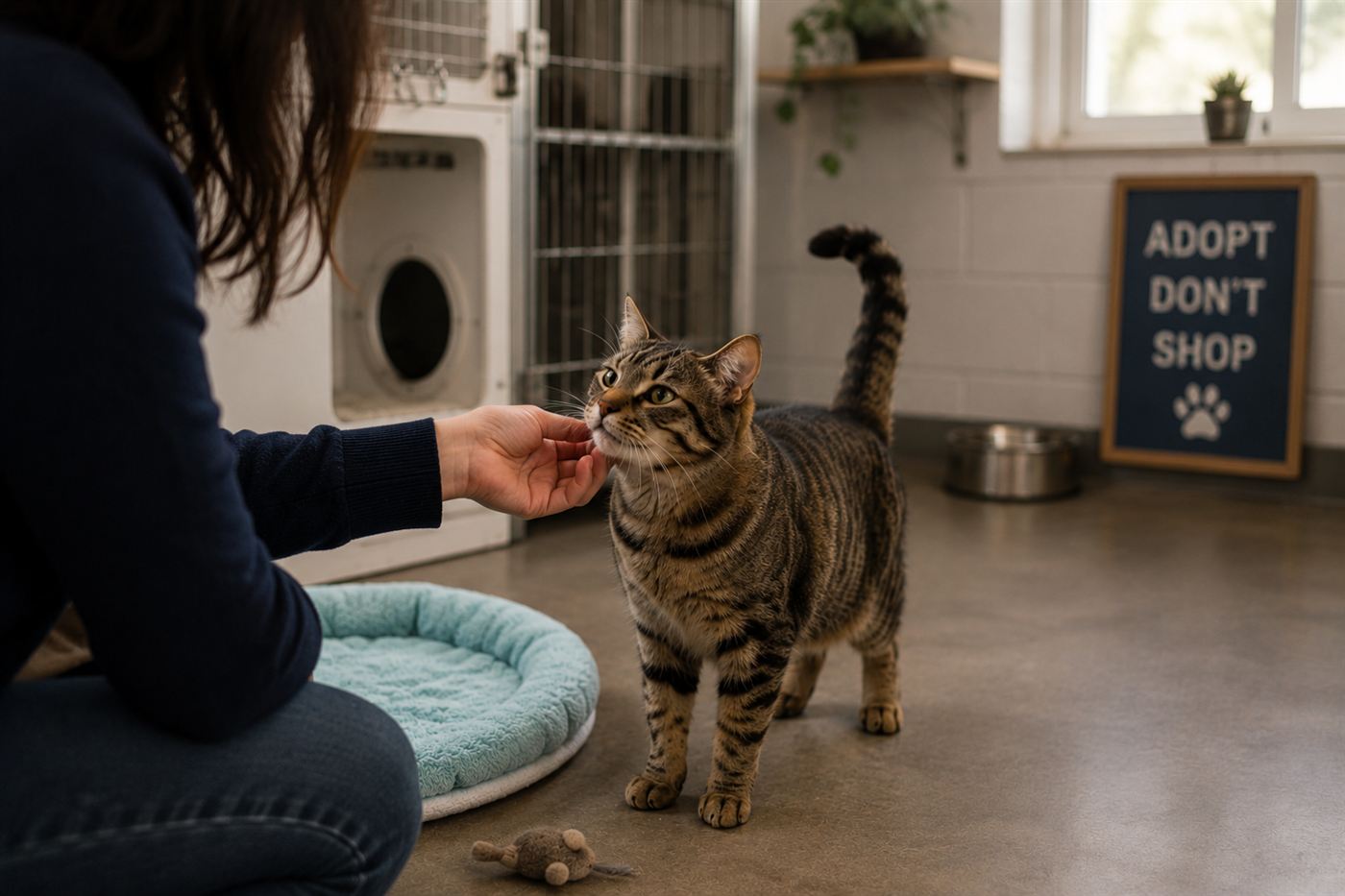
Movement can reveal problems that aren't obvious when a cat is sitting still. Watch the cat walk around if possible.
A slight hesitation in a stressful shelter isn't necessarily a medical problem. Persistent limping, weakness or obvious difficulty jumping or walking deserves attention.
Ask About Medical History
Shelters and rescues often have useful information about vaccinations, parasite treatment, sterilization and previous veterinary examinations.
Ask for whatever records are available. Knowing what has already been done can make the first veterinary visit much easier.
Health Is More Than Appearance
A cat can look perfect and still have a medical problem. A cat can also look a little rough after a stressful rescue and be completely treatable.
According to the Petfinnly's research, adopters are more likely to notice visible coat and eye changes than less obvious health issues. That is why a veterinary examination after adoption remains important even when the cat looks healthy.
Frequently asked questions
What should healthy cat eyes look like?
They should generally be clear and free from obvious swelling or heavy discharge. Persistent squinting should be checked.
Is sneezing in a shelter cat always serious?
No. Shelter environments can expose cats to respiratory infections and irritants. Persistent symptoms should still be discussed with a veterinarian.
Should I avoid adopting a cat with fleas?
Not necessarily. Fleas are treatable but the cat should receive appropriate treatment and the home may also need environmental control.
Should every adopted cat see a veterinarian?
A veterinary examination after adoption is a good way to establish a health baseline and identify problems that weren't obvious at the shelter.
Can a cat look healthy while having a medical problem?
Yes. Some conditions produce few visible signs early on, which is one reason veterinary examinations matter.
This article is for general information and isn't a substitute for advice from your own veterinarian, who can properly evaluate health, disease and medical concerns in your specific cat.