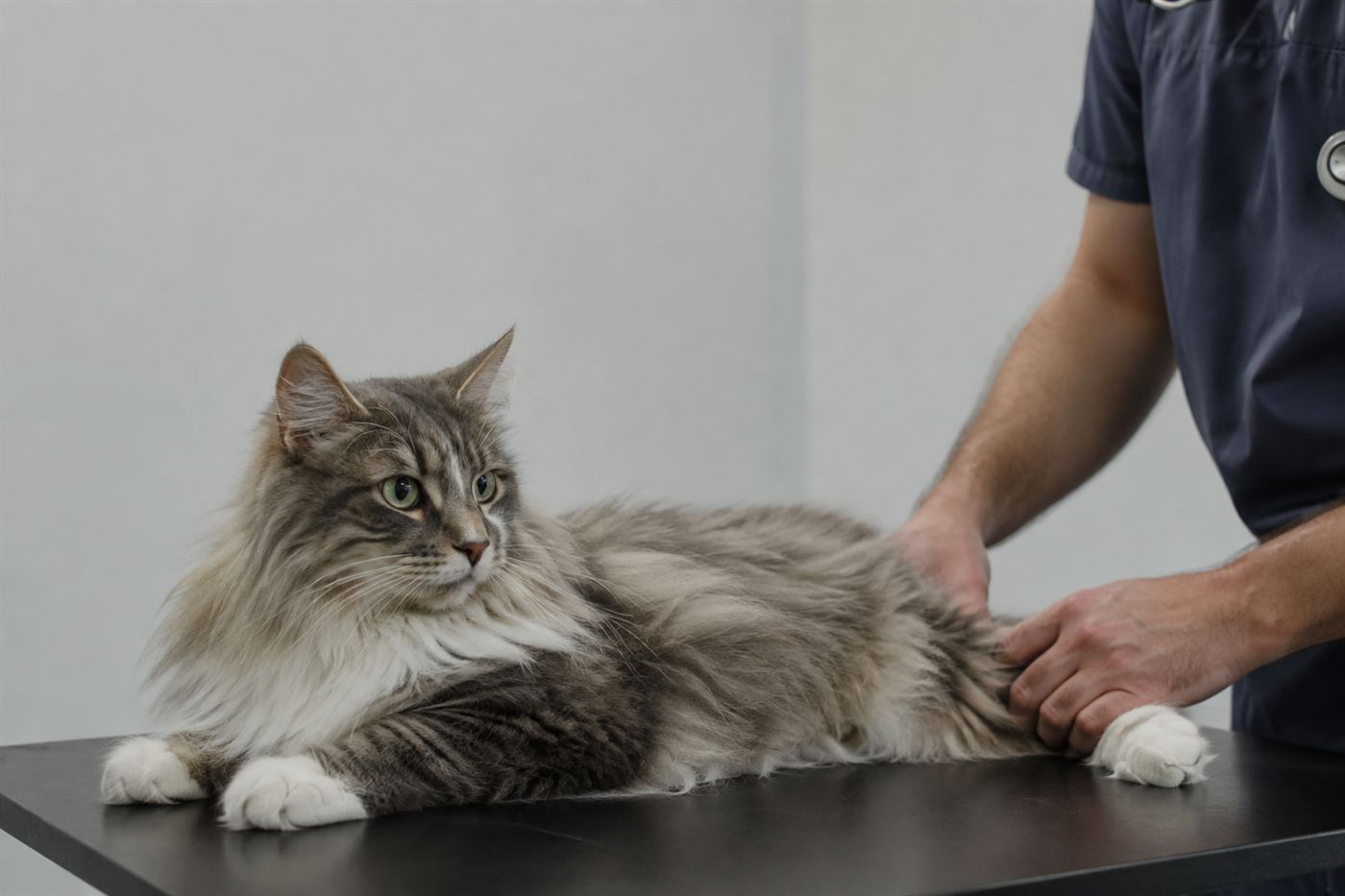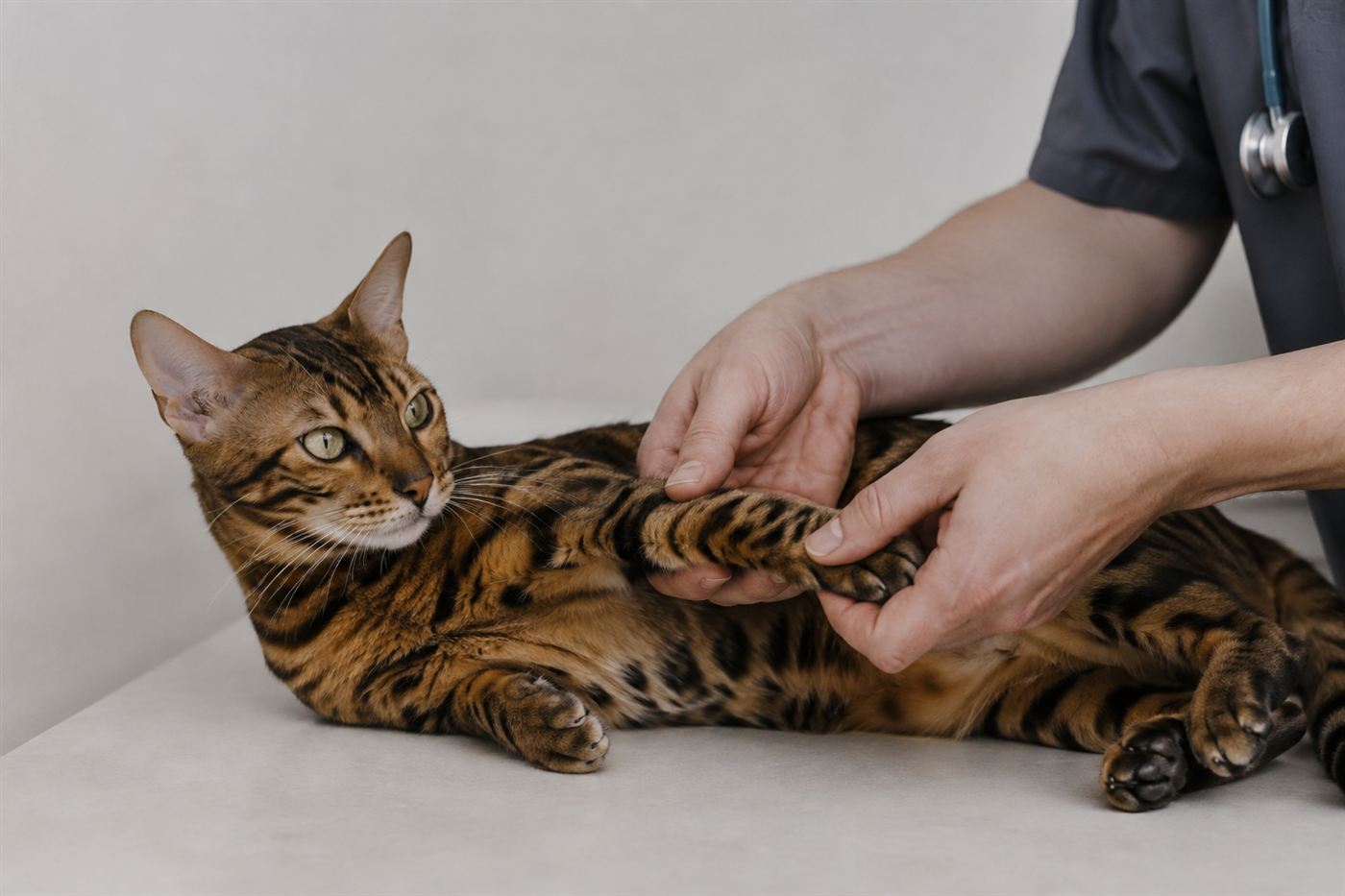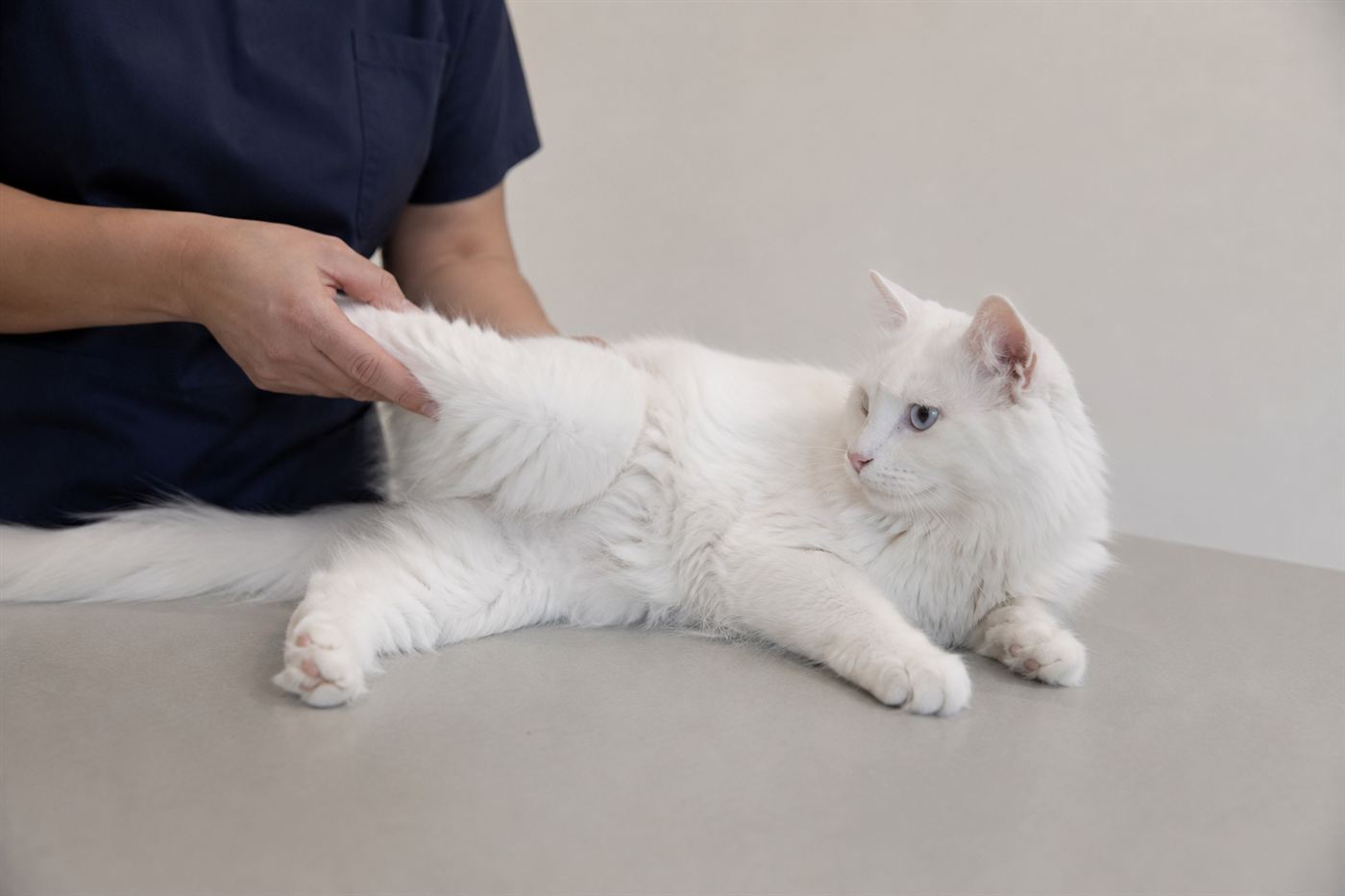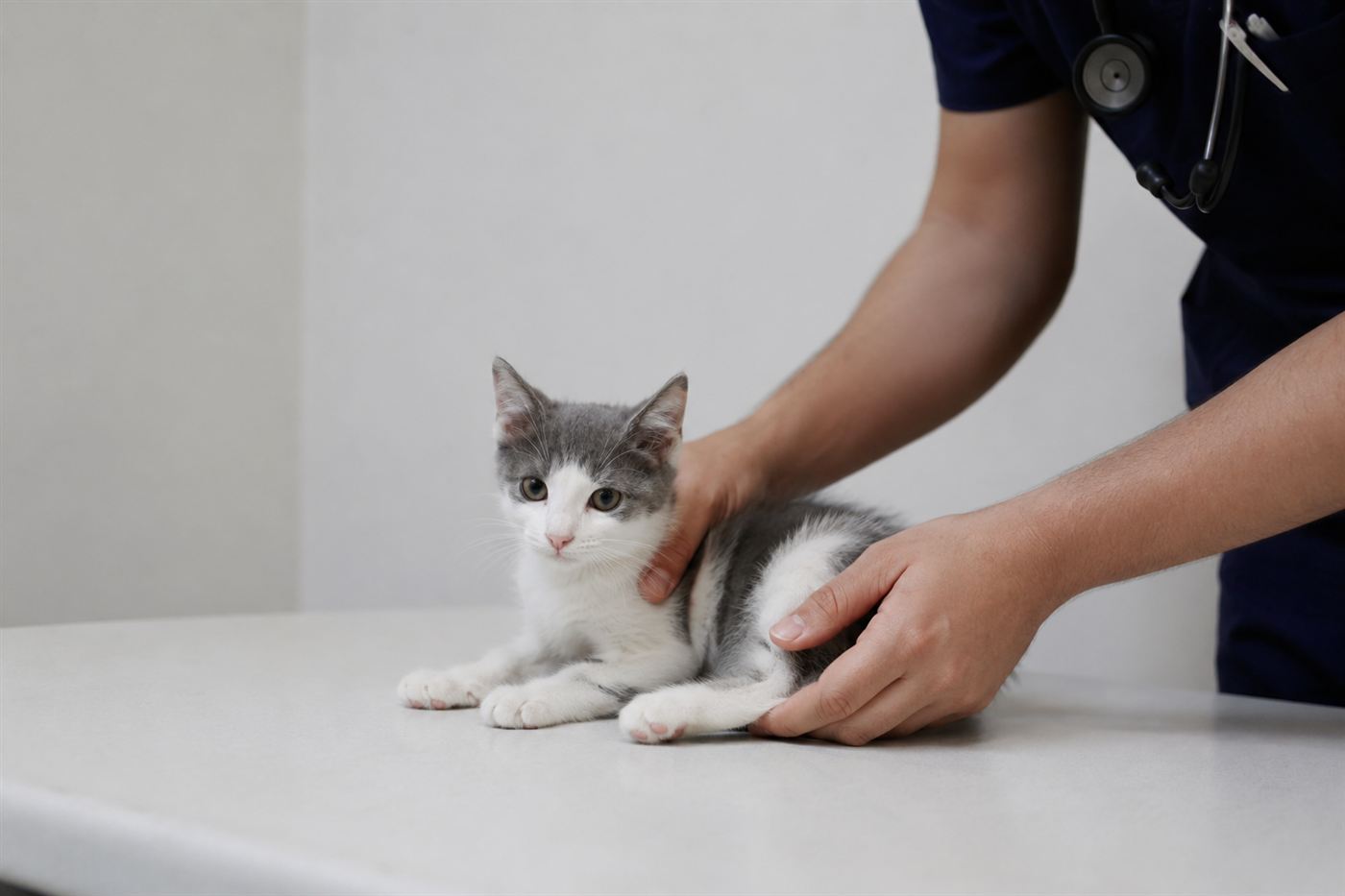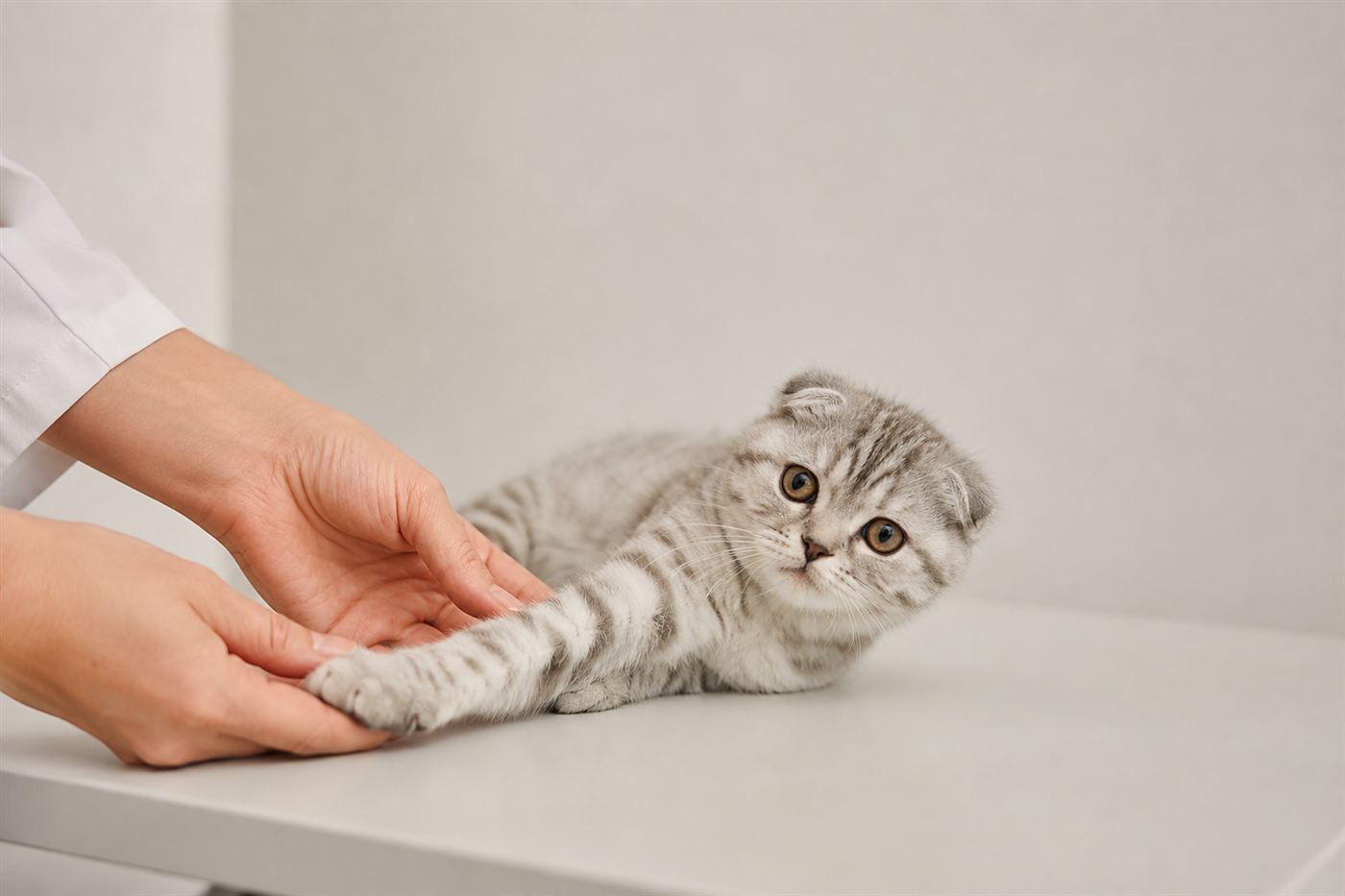
How to Check a Cat's Health Before Adoption: Things Worth Looking At
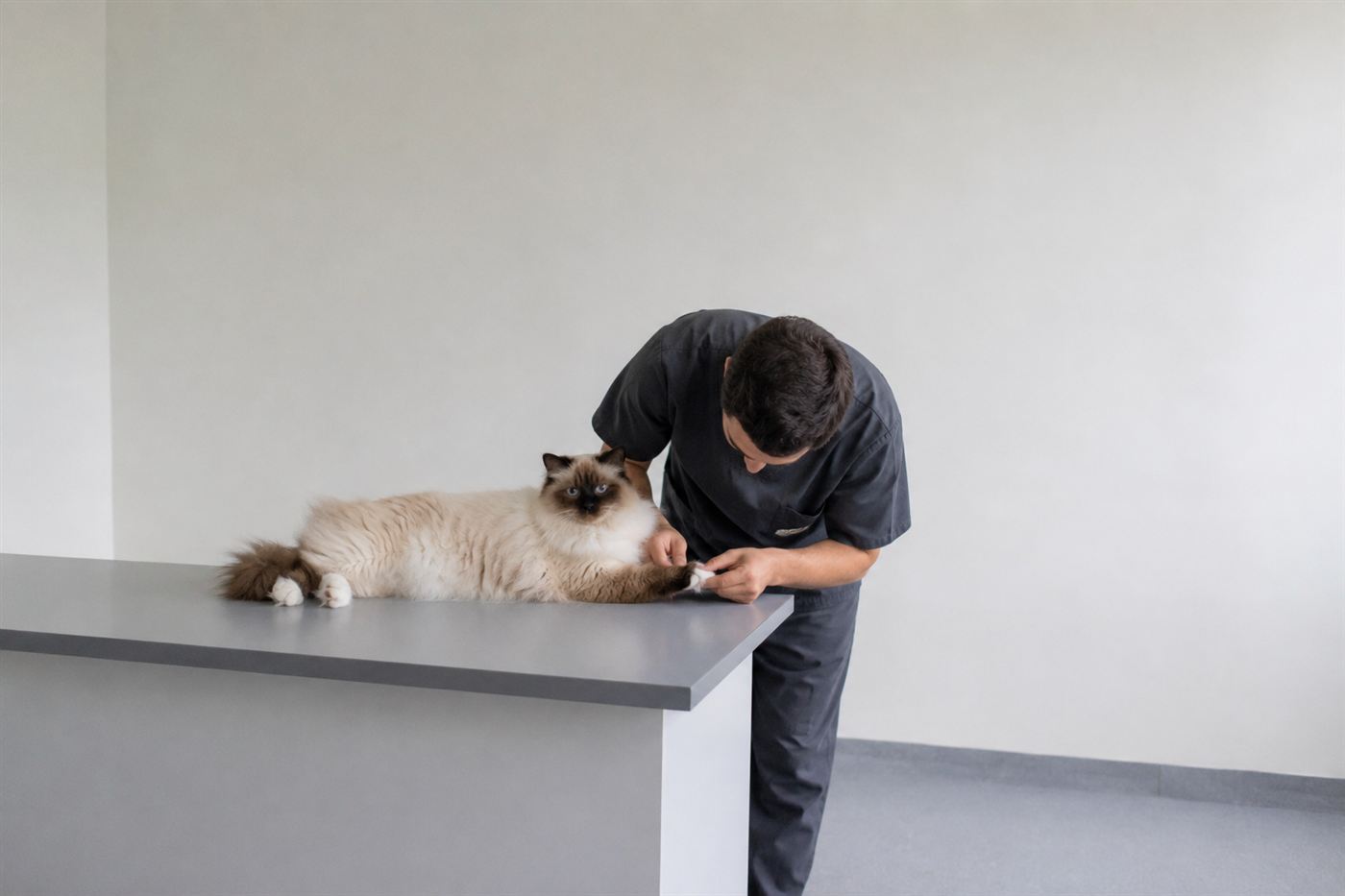
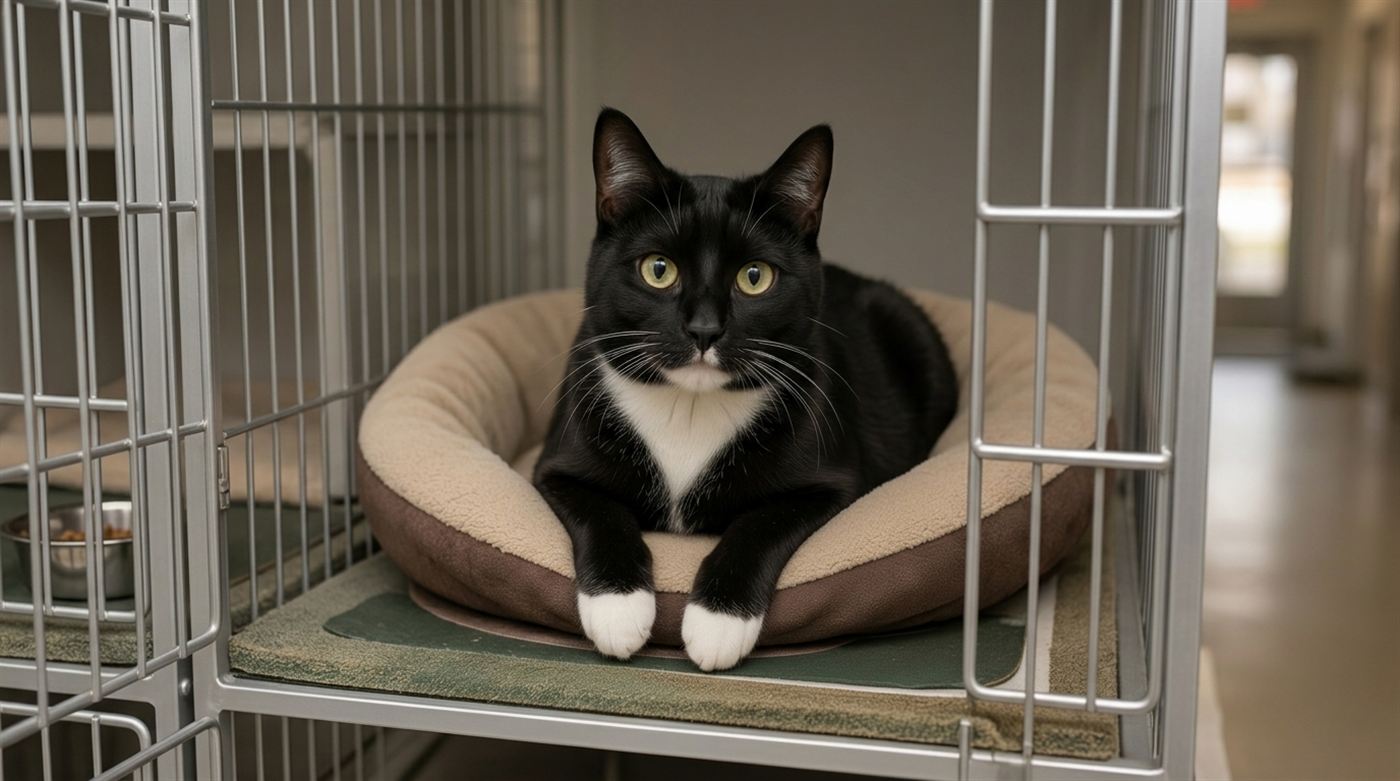
A shelter cat doesn't need to look perfect, but a few quick checks on the eyes, coat and movement can tell you a lot before you bring a cat home.
Posts tagged "Health" · All posts
A shelter cat doesn't need to look perfect, but a few quick checks on the eyes, coat and movement can tell you a lot before you bring a cat home.
A cat that suddenly can't use its back legs is almost always dealing with a blood clot, not a leg injury, and it traces straight back to the heart.
A dragging or knuckling front leg after a fall often isn't a broken bone. It's nerve damage, and the severity of that damage decides the whole outlook.
Cats are so good at hiding a slipping kneecap that many cases are only found by accident, even though it's graded on the same scale used in dogs.
Episodes of sudden leg weakness and a drooping head in a young Burmese cat trace back to a single identified gene, and it responds well to treatment.
Muscle meat alone is badly short on calcium, and a kitten's fast-growing skeleton pays the price first, sometimes with fractures from a routine jump.
Liver is a fine occasional treat, but fed heavily for months or years it triggers a slow bone disease that can permanently fuse a cat's neck and joints.
A kitten fall that looks minor at the time can damage a growth plate, and the resulting bowed leg often doesn't show up until weeks later.
A flat, frog-like posture in a very young kitten looks alarming, but caught early it's one of the more treatable developmental problems out there.
Lameness that seems to move between legs, paired with a fever nobody can explain, points toward the immune system attacking the joints, not ordinary arthritis.
A young, neutered male cat with a slowly worsening limp and no injury fits a strikingly specific pattern behind this rare but well-documented hip disease.
Most kittens open their eyes between 7 and 10 days old, but the range is wider than people expect, and forcing a slow eye open is genuinely risky.