Feline Idiopathic Polyarthritis: The Autoimmune Joint Disease That Causes Shifting-Leg Lameness
Arthritis in cats usually means the slow, wear-and-tear kind that shows up in older cats and worsens gradually over years. This is a different animal entirely: a younger cat that suddenly can't seem to settle on which leg hurts, with lameness that seems to move from joint to joint over days, sometimes alongside a fever nobody can explain.
| Quick facts | |
|---|---|
| Also known as | Immune-mediated polyarthritis (IMPA) |
| Underlying cause | The immune system attacking the joints, often with no identifiable trigger |
| Typical onset | Can appear at any age, often younger to middle-aged cats |
| Distinguishing sign | Shifting lameness that moves between legs, plus fever |
| Typical treatment | Immunosuppressive medication, usually starting with corticosteroids |
What's actually different about this kind of arthritis
Immune-mediated polyarthritis happens when the immune system mistakenly targets the joints, causing inflammation, swelling and pain across multiple joints rather than the single worn-out joint typical of ordinary osteoarthritis. Affected cats often show up with fever, lethargy and a stiff, uncomfortable gait alongside visibly swollen carpal or hock joints, a symptom cluster that looks more like a systemic illness than a straightforward orthopedic problem.
Idiopathic doesn't always mean unexplained
According to the Petfinnly's research, close to two-thirds of cases have no identifiable underlying trigger and are classified as truly idiopathic. The rest link back to an underlying infection or illness, most often feline immunodeficiency virus or feline herpesvirus, which is part of why a full workup for this condition typically includes testing for FIV rather than assuming the joint inflammation is happening in isolation.
How this actually differs from ordinary arthritis
The distinction matters because the two conditions are treated in completely different ways.
| Feature | Osteoarthritis | Immune-mediated polyarthritis |
|---|---|---|
| Typical age | Older cats | Any age, often younger to middle-aged |
| Pattern | Gradual, one or a few joints | Can affect several joints and shift between them |
| Fever | Not typical | Common |
| Underlying cause | Wear and degeneration over time | Immune system attacking the joint |
Cats with osteoarthritis rarely spike a fever from the joint disease itself, which is one of the clearer clues pointing a vet toward polyarthritis instead when both a fever and joint pain show up together.
How it's actually diagnosed
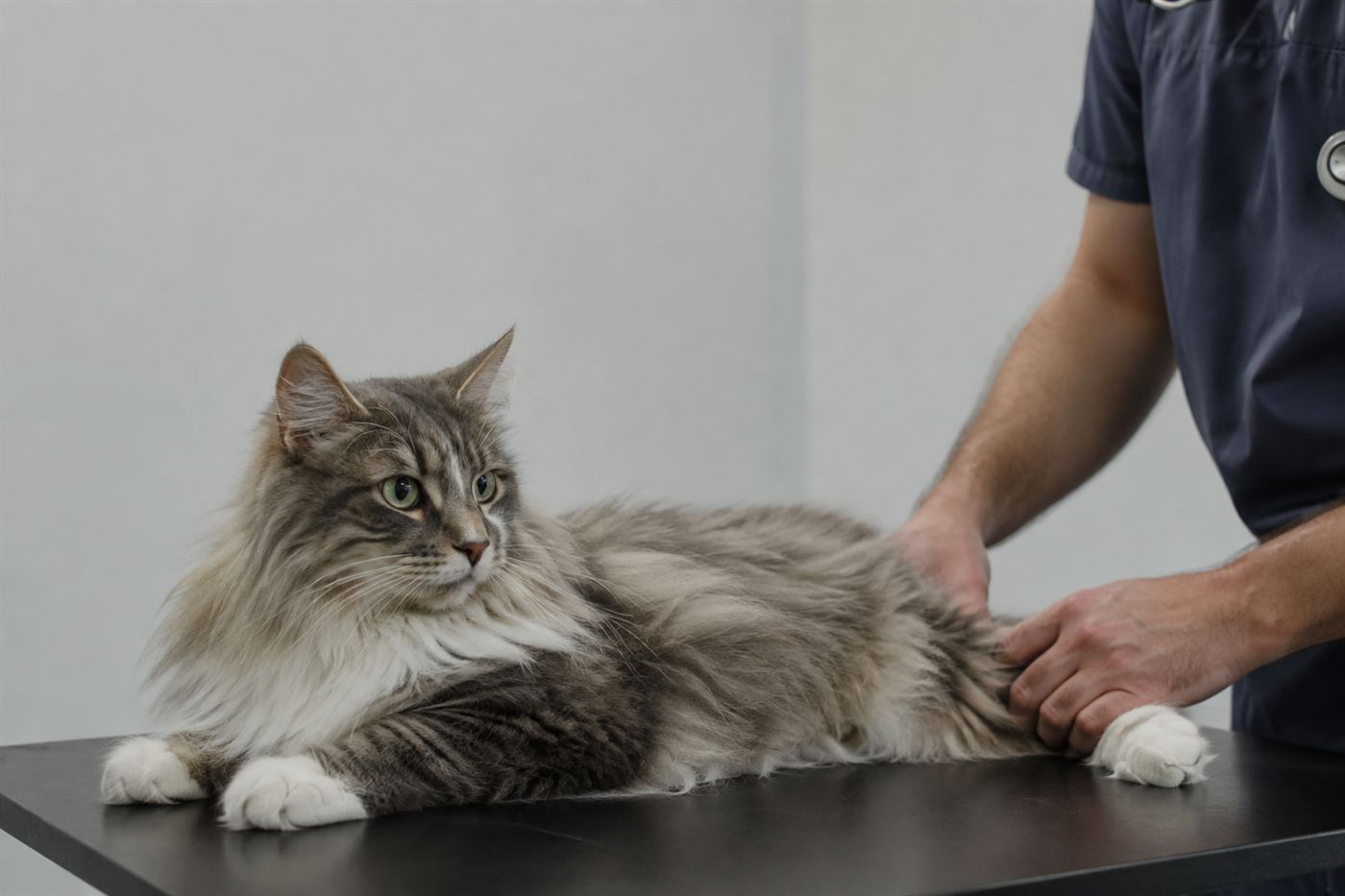
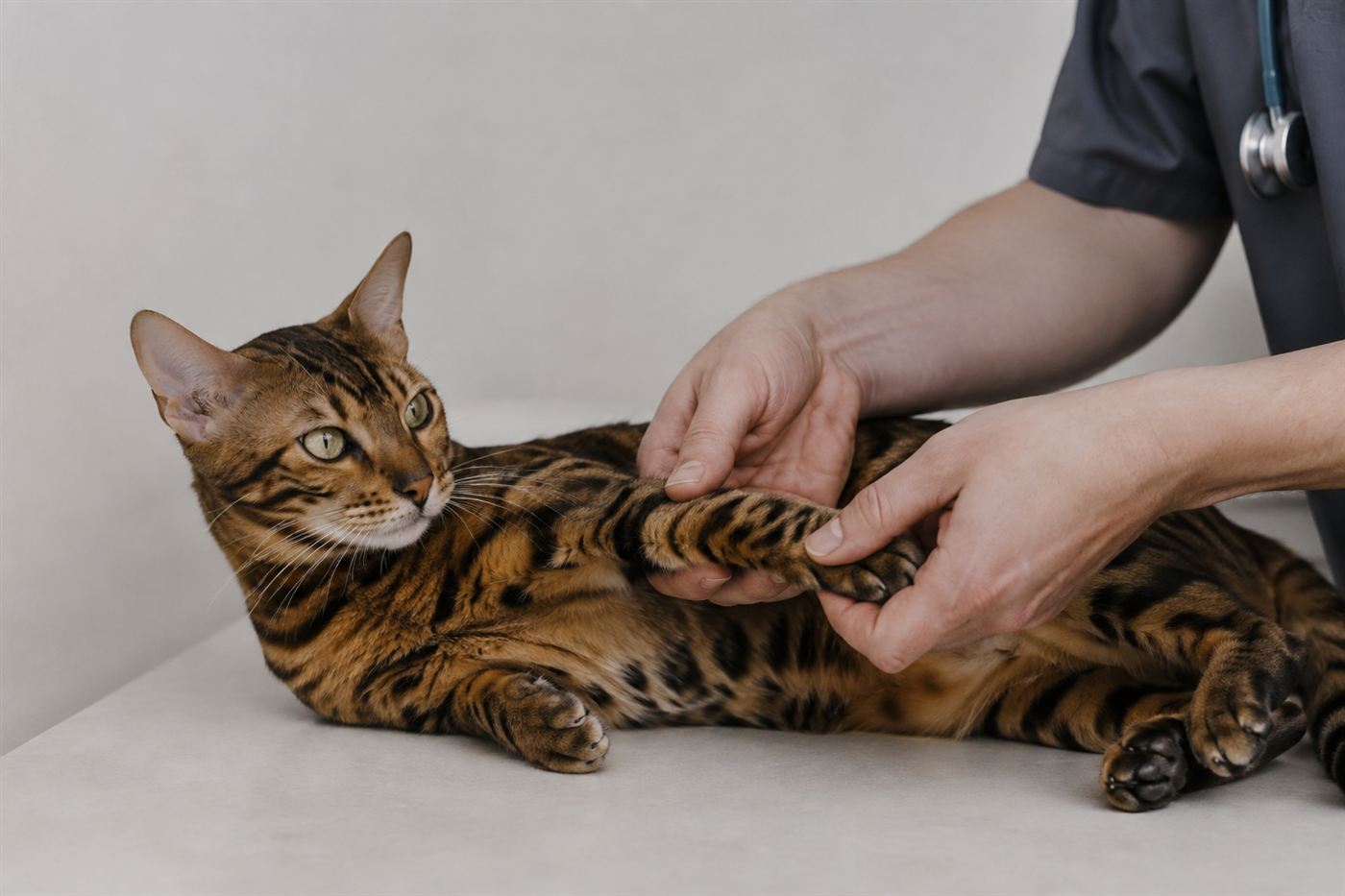
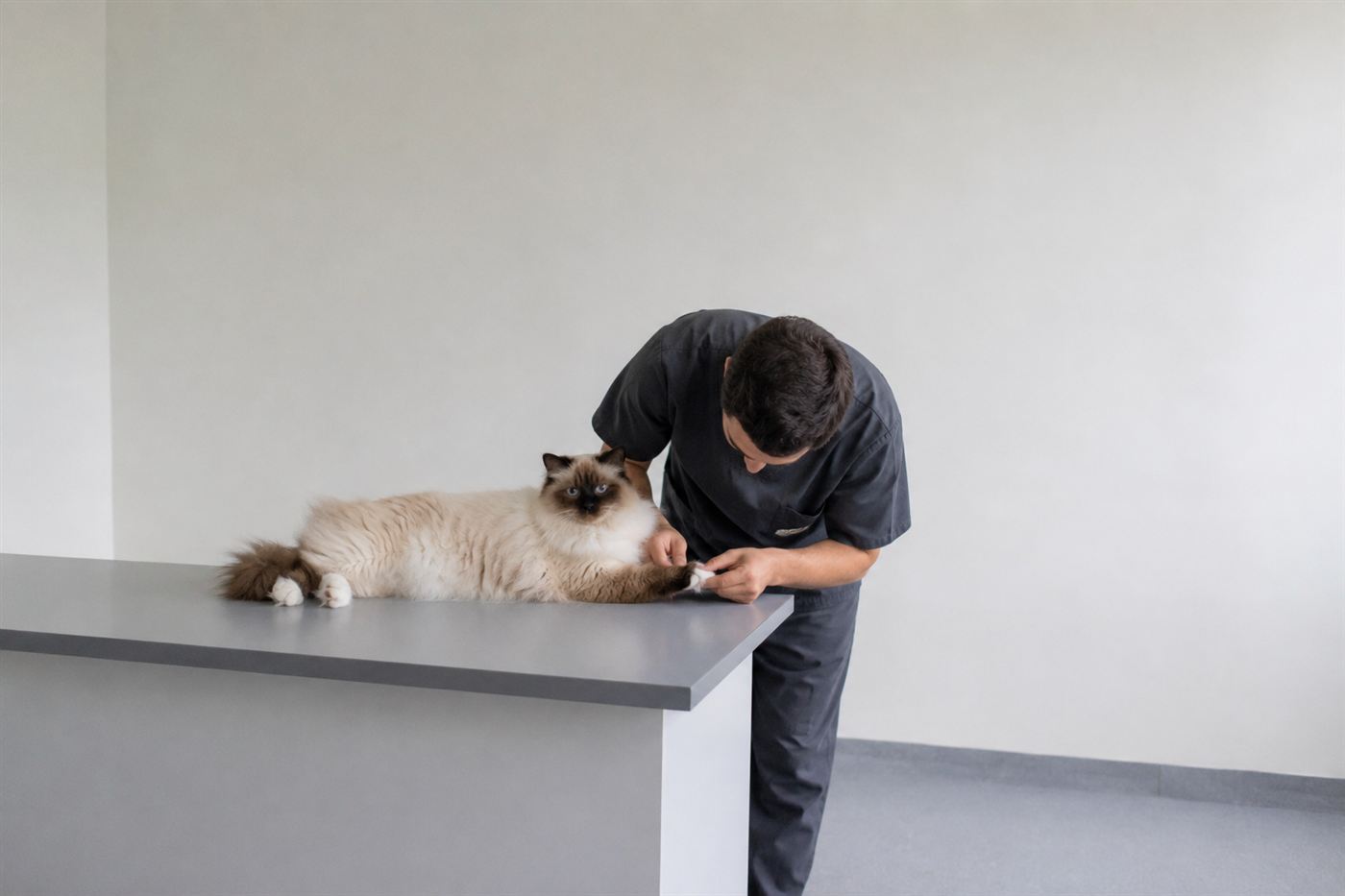
Diagnosis relies on sampling fluid directly from an affected joint and examining it under a microscope for the specific inflammatory pattern immune-mediated disease produces, combined with blood work and imaging to rule out infection or other causes. Sampling the tarsal (ankle) joints in addition to the more commonly checked carpal joints matters too, since inflammation doesn't always show up evenly across every affected joint.
What treatment costs
Diagnosis is the pricier part here. Joint fluid sampling usually needs sedation, plus bloodwork and imaging to rule out infection, easily a few hundred dollars for the initial workup. Ongoing medication is cheaper, corticosteroids run low, but adding a second immunosuppressive drug and the recheck bloodwork to monitor it over months adds up over time.
Treatment and what to actually expect
Treatment centers on suppressing the overactive immune response, typically starting with corticosteroids and adding other immunosuppressive medications for cats who don't respond fully to steroids alone. About 70% of cats achieve a good outcome with appropriate treatment, though it often takes more than one medication working together to get there, and a small number of cats don't respond well enough and need to be humanely euthanized due to poor quality of life. That's a real range of outcomes worth knowing going in, though the majority of cats treated appropriately do genuinely well.
What ongoing life with this actually looks like
Cats that respond well still need regular rechecks and bloodwork while on immunosuppressive meds, since those drugs need monitoring for side effects. Some cats taper off medication entirely after months of good control, others need lower-dose management for life. Either way it's not a one-and-done treatment, it's an ongoing relationship with the vet.
Frequently asked questions
Why does my cat's lameness keep moving from leg to leg with a fever?
That shifting lameness plus fever is the calling card of immune-mediated polyarthritis, the immune system attacking multiple joints instead of one worn-out joint like regular arthritis. It needs a vet visit for joint fluid sampling and bloodwork, not a wait-and-see approach, since real inflammation is happening in there.
Is feline polyarthritis contagious to other cats?
No, the joint disease itself isn't contagious. If it's linked to an underlying infection like FIV, that virus can spread between cats, but that's a separate consideration from the joint inflammation itself.
How long does treatment for cat polyarthritis actually last?
It varies considerably, from a period of months to, in some cases, long-term ongoing management, depending on how the individual cat responds and whether an underlying trigger can be identified and addressed. Relapse is possible too, which is why cats that respond well are still generally monitored for a return of symptoms even after medication is reduced or stopped.
This article is for general information and isn't a substitute for advice from your own veterinarian, who can properly diagnose the cause of joint pain and fever in your specific cat.