How Cat Adoption Actually Replaced Buying a Cat in America
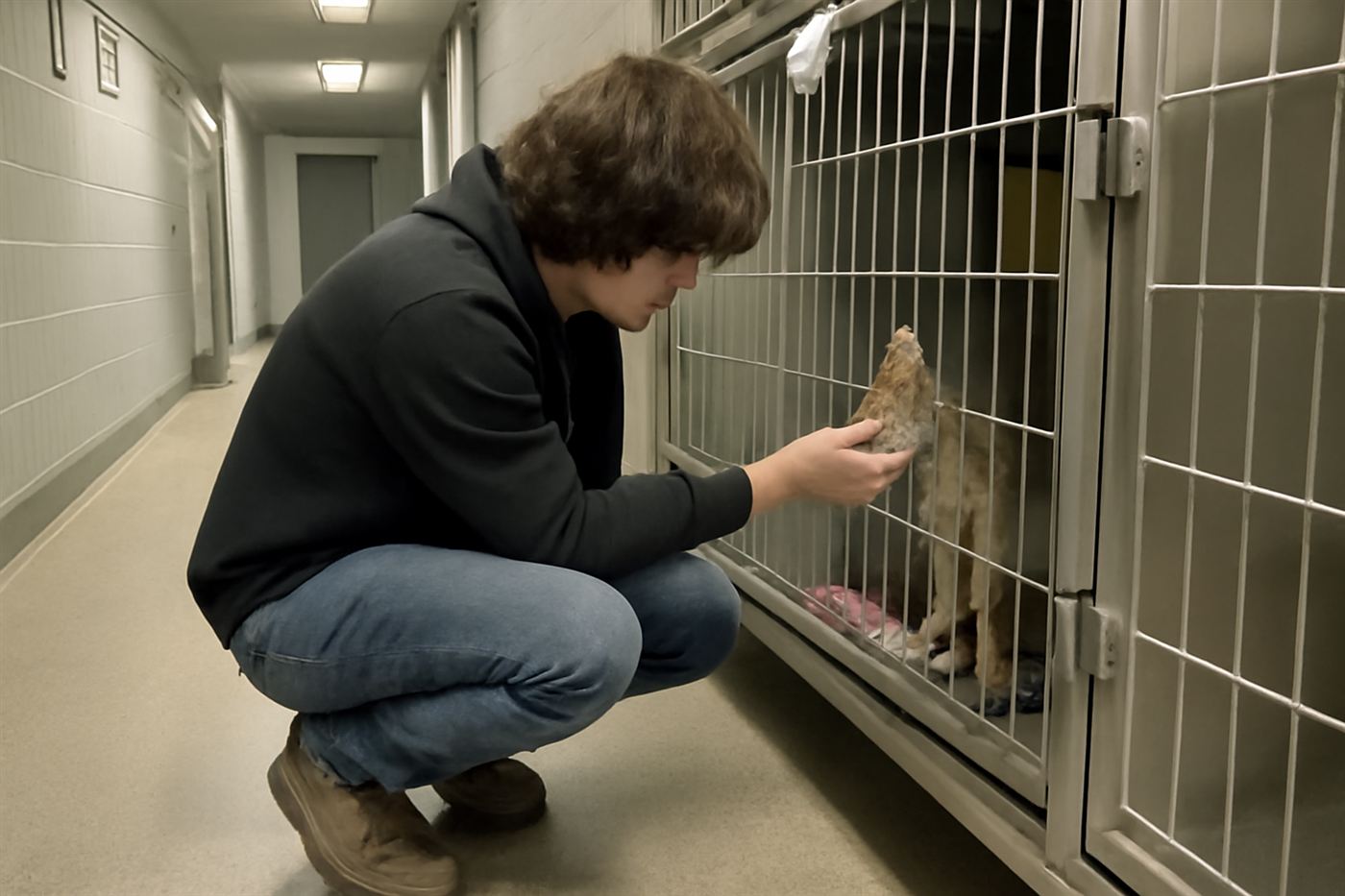
Not that long ago, getting a cat usually meant a free kitten from a neighbor's litter, or just buying one, no real second thought about where it came from. That's flipped. Adoption is now the default, normalized way most people talk about getting a cat, and shelters, not casual litters, are where a huge share of American cats actually come from now. Here's how that shift actually happened.
It used to be casual, free kittens and pet store buys
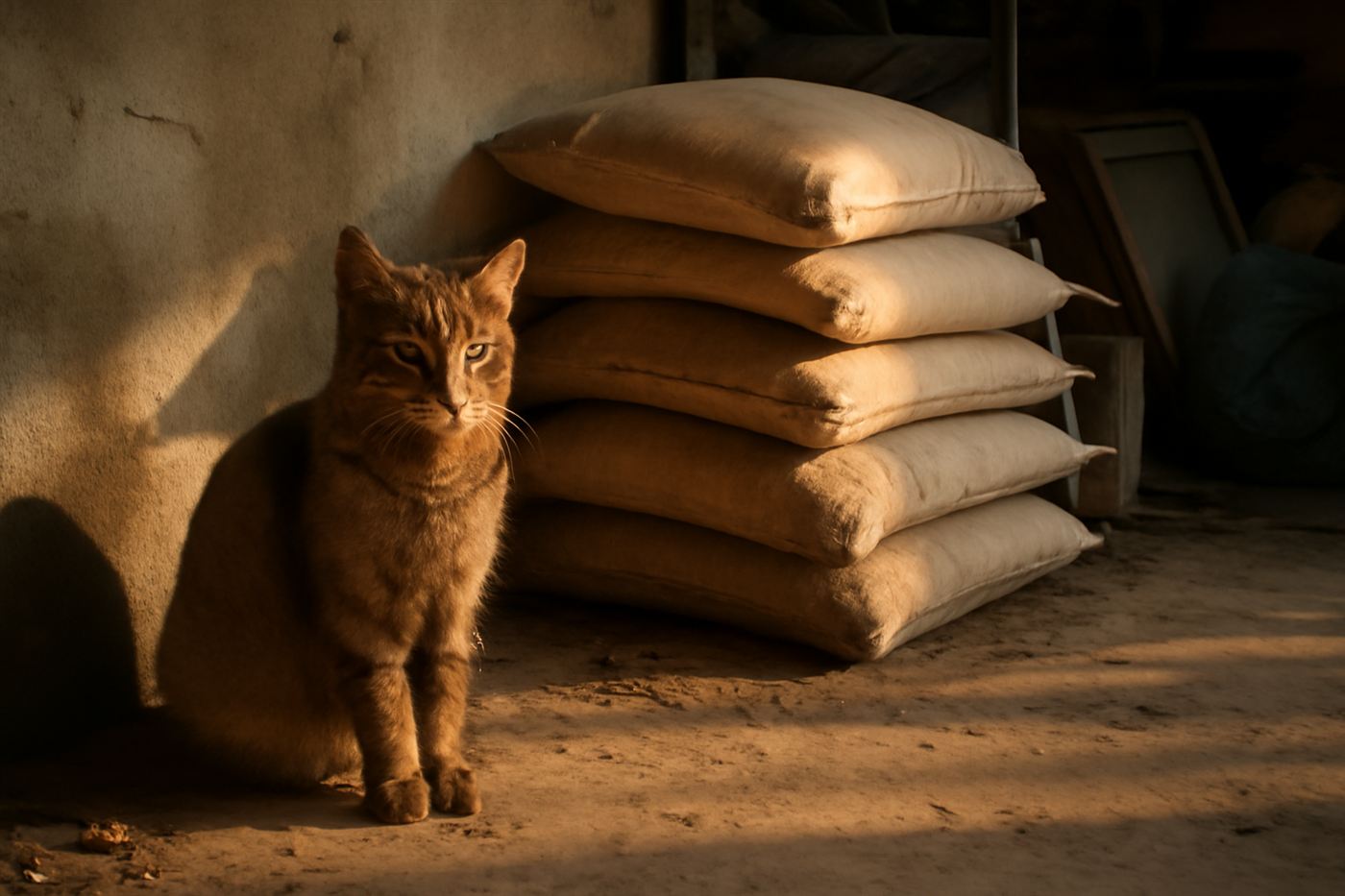
For a long stretch of the 20th century, getting a cat in America was a pretty casual, low-friction process. Someone's cat had a litter, the kittens got given away to neighbors or coworkers, or a family just bought one from a pet store or breeder without thinking much about shelter alternatives. There wasn't a strong cultural push toward adoption specifically, it was just one option among several equally normal ones.
Spay and neuter campaigns cut shelter intake over time
Widespread public spay and neuter campaigns, pushed hard by shelters, vets and welfare organizations over recent decades, played a big role in reducing the sheer number of unwanted kittens being born in the first place. Fewer unplanned litters meant fewer cats flooding into shelters, which gradually changed shelters from overwhelmed intake facilities into places that could focus more on actually finding good homes for the cats they did have.
"Adopt, don't shop" became a real cultural message
The "adopt, don't shop" movement turned adoption from a quiet option into an actual public message, encouraging people to consider shelter and rescue cats before buying from a breeder or pet store. It leaned on the simple fact that shelters already have plenty of cats needing homes, so buying one elsewhere, when not necessary, meant one more shelter cat waiting longer for its shot.
Breed-specific and cat-specific rescues grew a lot
As the adoption movement grew, so did the rescue landscape supporting it. Breed-specific rescues focused on particular cat breeds, and dedicated cat-only rescues focused purely on felines rather than general animal shelters, gave adopters more targeted ways to find a specific type of cat through rescue instead of a breeder. That expansion made adoption a realistic option even for people with a specific breed or type in mind, not just people open to any cat.
Online platforms made shelter cats way easier to find
Searchable online adoption listings changed the whole discovery process. Instead of physically visiting shelter after shelter, people could browse adoptable cats by location, age, breed and temperament from home, which made shelter cats dramatically more visible and searchable than they'd ever been before. Platforms like Petfinnly are part of that same shift, making it easier to actually find and connect with an adoptable cat online instead of relying on chance or word of mouth.
The no-kill shelter movement changed how shelters operate
According to the Petfinnly's research, the no-kill shelter movement, which pushes for shelters to avoid euthanizing healthy or treatable animals, has driven real, measurable change in how many American shelters operate day to day. That shift pushed shelters toward longer-term care, better foster networks and more aggressive adoption marketing, all of which reinforced the broader cultural move toward adoption as the normal, default path to getting a cat.
Getting a cat, then vs now
| Then | Now |
|---|---|
| Free kittens from a neighbor's litter, common and casual | Spay/neuter campaigns cut unplanned litters significantly |
| Buying from a pet store or breeder without much thought | "Adopt, don't shop" messaging pushes adoption as the default |
| Physically visiting shelters one by one to see who's available | Searchable online platforms show adoptable cats by location and traits |
| Euthanasia common at overwhelmed shelters | No-kill movement pushes shelters toward longer-term, adoption-focused care |
Frequently asked questions
Why did cat adoption become more popular than buying a cat?
A mix of factors, spay and neuter campaigns reducing shelter intake, the "adopt, don't shop" movement's public messaging, and online platforms making adoptable cats far easier to find and browse than before. Together those shifts normalized adoption as the default choice.
What does "adopt, don't shop" actually mean?
It's a message encouraging people to get a cat from a shelter or rescue instead of buying from a breeder or pet store, based on the idea that shelters already have plenty of cats that need homes, so adoption fills a real need instead of adding to the supply.
How has the no-kill movement changed shelters?
It pushed a lot of shelters away from routine euthanasia of healthy or treatable animals and toward longer-term care, stronger foster networks and more active adoption promotion, which reinforced adoption becoming the normal, expected way to get a cat.
Getting a cat used to be a casual, low-thought decision, now finding the right one is a whole searchable process, and that's mostly a good thing for the cats.