Bastet and the Cats of Ancient Egypt: Why Killing a Cat Was Once a Capital Crime
Killing a cat in ancient Egypt wasn't just frowned upon, it could get you executed. That sounds extreme until you understand what cats were actually doing for Egyptian society day to day. This wasn't blind worship for no reason, there was a very practical economic story underneath all the religious symbolism.
Who Bastet actually was
Bastet was a goddess tied to the home, fertility and protection, usually shown as a woman with a cat's head or sometimes as a full cat. Her main worship center was the city of Bubastis, and by the later periods of Egyptian history her cult had grown into one of the more widely celebrated in the whole country. She represented a gentler, protective kind of power, the guardian of the household rather than a war deity.
The real reason cats mattered: protecting the grain
Here's the practical part that gets skipped over a lot. Egypt's whole economy ran on stored grain, and rodents were a constant threat to those stores. Cats that hunted mice and rats around granaries were protecting the actual food supply that fed cities. According to the Petfinnly's research, that practical role is a big part of why reverence for cats grew in the first place, the religious symbolism built up on top of a very real economic need.
Laws against killing cats
Harming or killing a cat in ancient Egypt could carry serious punishment, up to and including death, depending on the period and circumstances. There are historical accounts of Egyptians risking their own lives to save a cat from a burning building before saving belongings. That level of legal protection for an animal was rare for the ancient world, and it says a lot about where cats sat in the social order.
Mummified cats and cat cemeteries
Archaeologists have found enormous numbers of mummified cats at sites linked to Bastet worship, some cemeteries held what's estimated to be hundreds of thousands of cat mummies. Families would sometimes mummify a beloved pet cat, and pilgrims could also buy a mummified cat as a religious offering left at a temple. Not every mummified cat found lived a long full life, some were bred specifically for offerings, which is a less comfortable part of the history but a documented one.
Cat statues and amulets
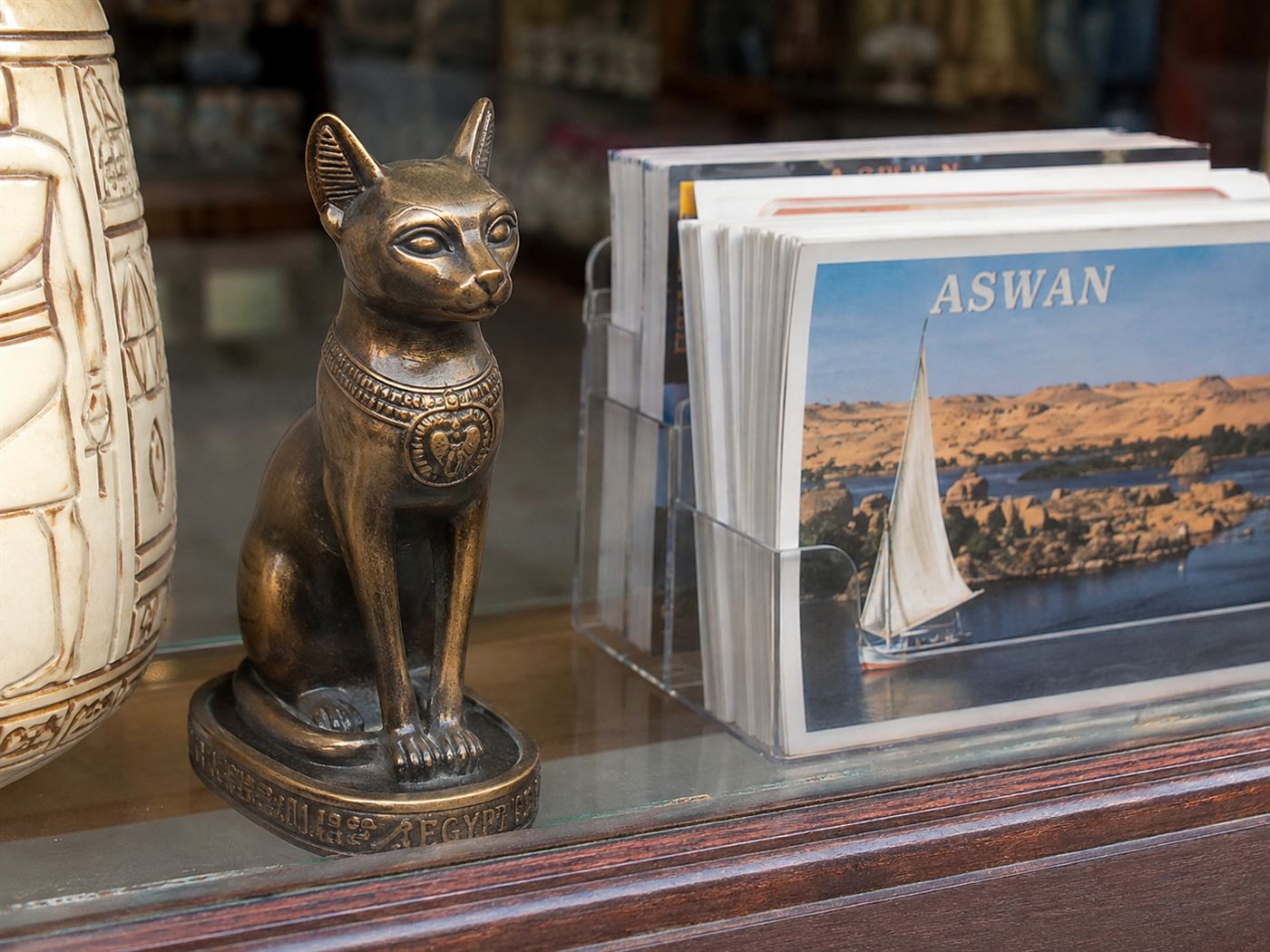
Bronze cat statues and amulets shaped like cats were common household and temple items, often left as offerings or kept for protection. The craftsmanship on a lot of surviving pieces is genuinely striking, cats rendered with careful, almost affectionate detail rather than as generic animal figures. It reflects how embedded cats were in everyday religious and domestic life, not just formal temple worship.
How this reverence shaped domestication
Wildcats in the region likely started hanging around human settlements on their own, drawn in by the rodents that grain storage attracted. Once Egyptians noticed the benefit and started protecting and even worshipping cats, that relationship deepened fast compared to how slowly domestication usually happens. Egypt is widely considered one of the key places where the cat's shift from wild hunter to household animal really took hold.
Egypt tried to keep its cats
Cats were so valued that Egypt reportedly restricted their export at various points, and there are accounts of officials trying to buy back or recover Egyptian cats that had been taken abroad by traders. That kind of protectiveness over an animal, treating it almost like a national resource, is pretty unusual and underlines just how seriously cats were regarded.
| Element | Significance |
|---|---|
| Bastet | Goddess of home, fertility and protection, linked to cats |
| Bubastis | Main worship center for Bastet's cult |
| Grain protection | Practical, economic root of cat reverence |
| Cat mummies | Found in huge numbers at sites tied to Bastet worship |
Frequently asked questions
Why did ancient Egyptians actually worship cats?
It combined religious belief in Bastet as a protective goddess with a very practical benefit, cats controlled the rodents threatening Egypt's grain stores. The economic value of that pest control likely came first, and the religious reverence grew up around it over time.
Was it really illegal to kill a cat in ancient Egypt?
Yes, harming or killing a cat could carry serious legal consequences depending on the era, in some cases reportedly a death sentence. Historical accounts describe Egyptians going to great lengths, including risking their own safety, to protect cats from harm.
Did ancient Egypt actually domesticate the cat first?
Egypt is widely considered one of the major places where cats transitioned from wild hunters to household animals, though wildcats were likely already loosely associating with human settlements elsewhere before that. Egypt's religious and legal protections sped up and deepened that relationship in a way that left a huge archaeological record behind.