The Rise of Cat Content on TikTok: Why Cats Dominate Short-Form Video
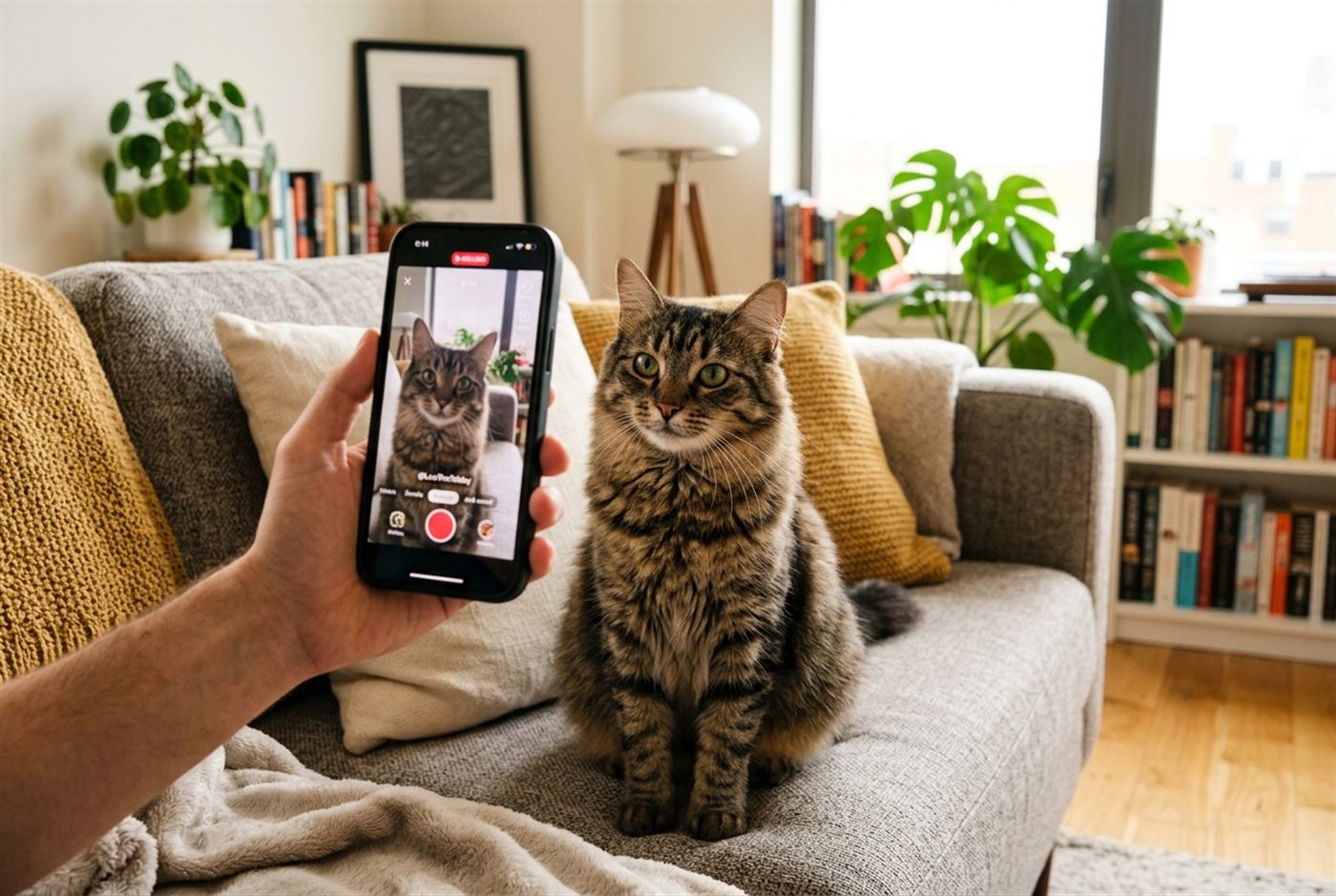
You open TikTok and within three swipes you're watching a fluffy orange cat spectacularly miss a jump from the couch to the coffee table. You chuckle, hit like and send it to three friends. An hour later, you've watched a cat judge its owner's cooking and another one dramatically demand dinner. It isn't a coincidence that your feed is flooded with feline faces. We're talking about why cats absolutely rule short-form video and how creators use them to game the algorithm.
Why they capture our attention instantly
Cats are the ultimate unpredictable subjects, which is exactly what short-form video demands. You never know if they are going to do something graceful, completely fail at basic physics, or just stare blankly at the wall. This unpredictability creates an instant hook for the viewer. People scroll fast and a cat mid-air or mid-yell stops the thumb because the brain wants to see how the chaotic moment resolves.
Think of it like a slot machine for dopamine. You keep watching because the payoff (a hilarious fail or a cute trill) hits your brain's reward center instantly. Cats also don't fake reactions for the camera. Their authentic, unfiltered responses to their environment contrast sharply with the highly produced, scripted content of human influencers, making them feel refreshing and relatable.
The formats that actually work
Fails and miscalculations are the gold standard for viral cat content. When a cat misjudges a jump and scrambles for grip, it's hilarious because they usually carry themselves with such arrogant grace. It punctures their dignified persona. Voiceover videos, where creators dub internal monologues over a cat's judging stare, are also incredibly popular because they project human complaints onto an animal that clearly looks annoyed anyway.
Reaction videos crush it too. Whether it's a cat tasting something gross, hearing a weird sound, or seeing a new pet, their visible shock or disgust drives massive engagement. Creators know that a tight crop on a cat's dilated pupils or flattened ears before the chaos starts is a guaranteed way to keep viewers watching past the critical three-second mark. According to the Petfinnly's research, clips that open on a tight facial close-up hold viewer attention almost twice as long as clips that open on a wide shot of the room.
How the algorithm feeds the obsession
TikTok's algorithm heavily favors high completion rates and shares and cat videos naturally excel at both. Because the videos are usually short (under fifteen seconds) people easily watch them on loop. When you send that video of an angry kitten to your group chat, the algorithm flags it as highly engaging content and pushes it to thousands of other 'For You' pages immediately.
There's also a universal appeal that breaks language barriers. A cat falling off a bed is funny whether you speak English, Spanish, or Japanese. The algorithm doesn't have to restrict the video to a specific regional audience. It can blast it globally, creating massive view counts that other niche content simply can't match because it relies heavily on spoken language or cultural context.
Building a career on kitty chaos
Creators are capitalizing on this by structuring their content around their cat's specific quirks. They aren't just posting random clips; they are building recognizable characters. They find the one weird thing their cat does (like carrying around a dirty sock or screaming at 5 AM) and turn it into a repeatable format. They use trending audio to boost visibility, syncing the cat's movements to the beat.
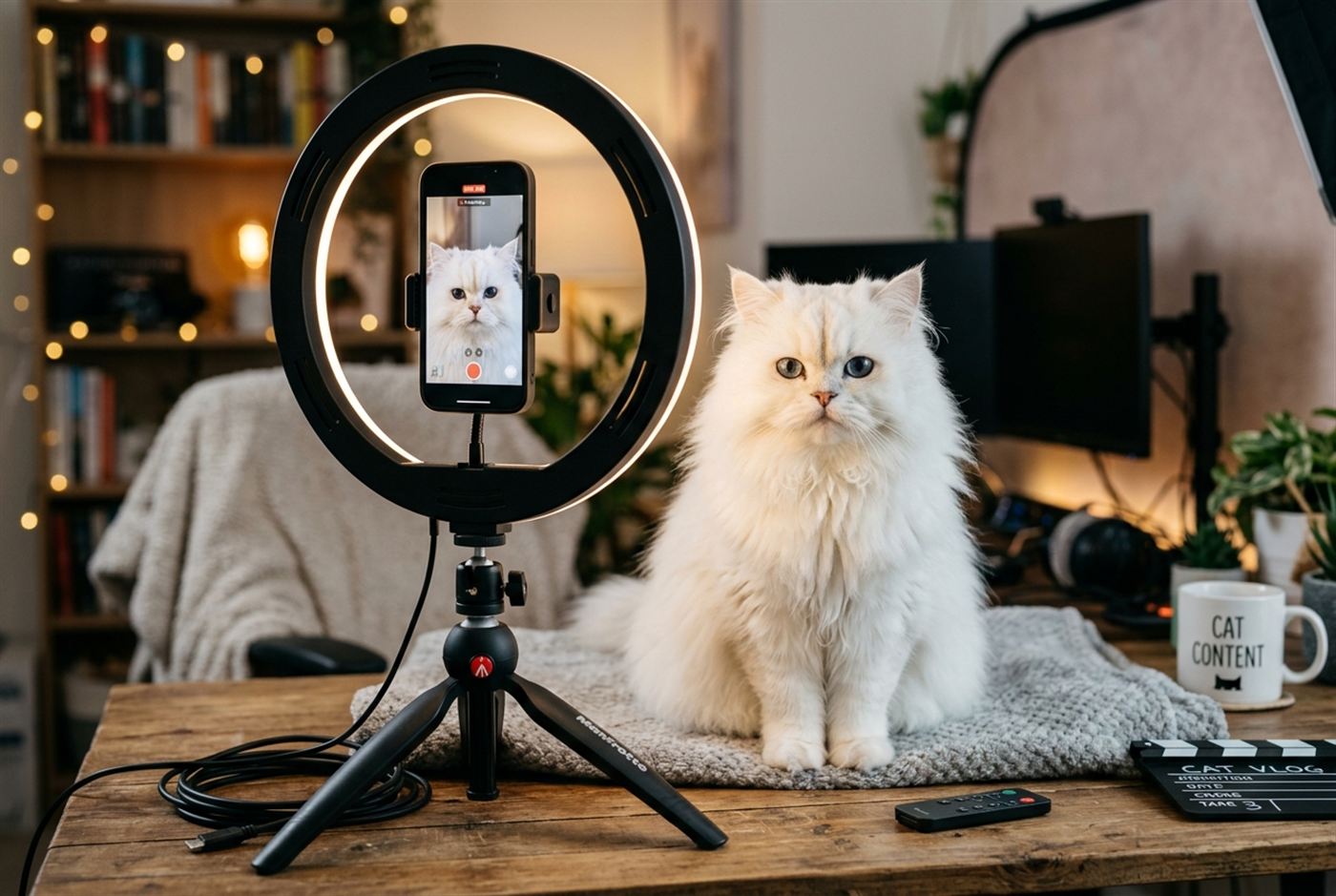
The real money comes when the audience gets emotionally invested in the cat's daily routine. Brands know this. A creator with a highly engaged cat audience can charge thousands for a sponsored post featuring pet food or litter. They nail the lighting, learn exactly what toys trigger the best reactions and basically turn their living room into a full-time production studio centered entirely around a four-pound predator.
Cat content formats compared
| Format | Core appeal | Typical length | Engagement driver |
|---|---|---|---|
| Fails | Slapstick humor | 5-10 seconds | High share rate |
| Voiceovers | Relatable human projection | 15-30 seconds | Comments and tags |
| Reactions | Authentic surprise | 5-15 seconds | High completion rate |
| ASMR | Calming sounds (purring/eating) | 30-60 seconds | Saves and loops |
Frequently asked questions
Do creators stress their cats out for views?
Unfortunately, some do. The good creators capture natural moments, but others intentionally annoy or scare their cats for a reaction, which is unethical.
Why are orange cats specifically so popular?
The "one orange brain cell" meme took off because orange cats have a reputation for being goofy and chaotic, which translates perfectly to video.
Can anyone make their cat famous on TikTok?
Yeah, if the cat has a distinct personality and you consistently post high-quality video that hooks viewers in the first three seconds.
Do cats know they are being filmed?
No. They might notice the phone or a ring light, but they don't understand the concept of an audience or a camera.
How much money do famous cats make?
Top tier cat accounts can pull in six figures a year through brand deals, merchandise and creator fund payouts.
This article is for general information and isn't a substitute for advice from your own veterinarian or a certified feline behaviorist, who can properly evaluate specific behavior in your specific cat.