Starting a Cat Blog in 2026: What Actually Works Now
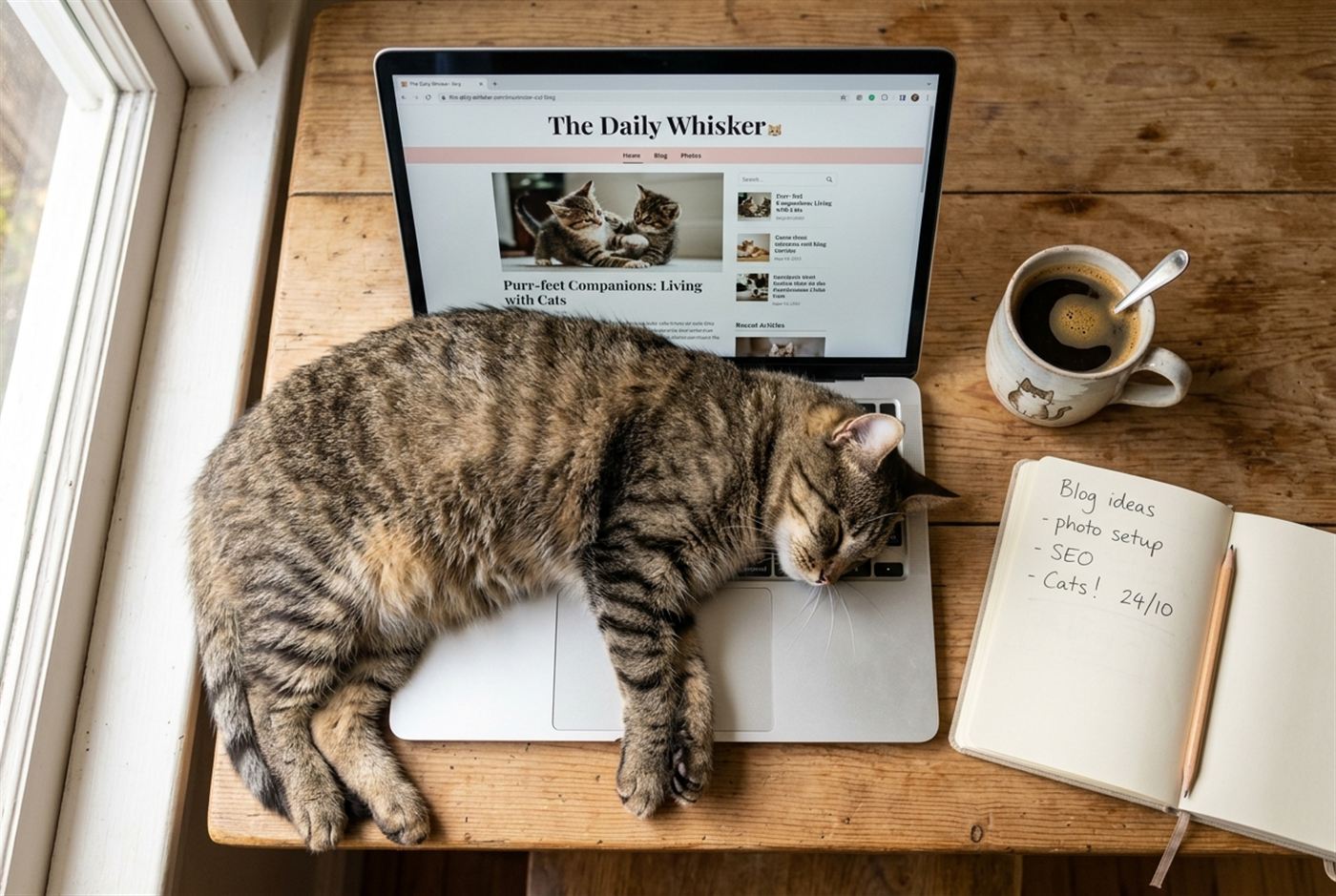
You stare at the blinking cursor on your shiny new WordPress installation. Your cat is asleep on your lap and you're ready to share your deep knowledge of feline nutrition with the world. Six months later, your traffic is flatlining and you haven't made a dime.
The platform debate is over
Everyone agonizes over where to host their writing. WordPress gives you total control but requires technical upkeep. Substack is incredibly easy but builds an audience on rented land. Medium has built-in traffic but awful monetization for pet content.
In 2026, the reality is that the platform matters less than your distribution strategy. If you rely entirely on Google search traffic, you'll get crushed by AI-generated spam and massive media conglomerates. You have to build an email list. According to the Petfinnly's research, pet-blog newsletter subscribers click affiliate and product links at nearly three times the rate of readers who only arrive from search.
Think of your blog as the home base and your newsletter as the delivery system. When people hand over their email address, they're giving you a direct line to their inbox that no algorithm update can take away.
You have to narrow your niche
"Cat advice" isn't a niche anymore. It's a crowded highway where you'll get run over by Purina and WebMD. If you write general articles about how to introduce two cats, nobody will ever find them.
You have to drill down until it feels almost too specific. You aren't a cat blog; you're a blog about managing chronic kidney disease in senior cats. You aren't reviewing cat trees; you're reviewing aesthetic modern cat furniture for small apartments.
The smaller your niche, the easier it is to become the definitive authority. When you own a specific sliver of the market, brands in that space will actually want to work with you.
The grim reality of traffic and revenue
New bloggers expect a hockey stick growth curve. The truth is that search traffic takes six to nine months to even start trickling in. During that time, you're writing into a void.
Monetization follows the same brutal timeline. Display ads won't pay the server bills until you hit thousands of pageviews a month. Affiliate links only work if you have a loyal audience that trusts your recommendations.
Most pet blogs die in the first six months because the writer burned out creating content for free. You have to treat the first year like building a foundation, not cashing a paycheck.
How to actually survive the first year
You survive by ignoring the pageview counter and focusing on the content quality. Stop looking at your analytics dashboard every day. Write the best, most comprehensive answer to a specific problem that a cat owner has.
Network with other creators in the pet space. Don't view them as competition; view them as colleagues. Guest post, collaborate and share each other's work. It's much easier to build an audience when you tap into an existing one.
And most importantly, remember why you started. If you don't genuinely love writing about cats, the grind will break you before the money arrives.
Comparing platform options
| Platform | Tech skill needed | SEO control | Monetization |
|---|---|---|---|
| WordPress | High | High | Display ads, affiliate |
| Substack | Low | Low | Paid subscriptions |
| Medium | Low | Medium | Partner program |
| Ghost | Medium | High | Subscriptions, affiliate |
Frequently asked questions
Is it too late to start a cat blog?
No. It's too late to start a generic cat blog, but there is always room for unique voices in specific niches.
How much does it cost to start?
You can launch a basic WordPress site for under a hundred bucks a year. Don't buy expensive courses or premium themes right away.
Do I need a social media presence too?
Yeah. You need at least one social channel to drive initial traffic while you wait for search engines to index your site.
How often should I post?
Consistency beats frequency. Once a week, every week, is better than burning out trying to post every day.
Can I just use AI to write the articles?
No. Readers can spot AI-generated pet advice instantly and search engines heavily penalize content that lacks personal experience and expertise.
This article is for general information and isn't a substitute for advice from your own veterinarian or a certified feline behaviorist, who can properly evaluate behavioral issues in your specific cat.