Where House Cats Actually Came From: The Real Origin of the Domestic Cat
Every house cat curled up on a couch right now, purring or ignoring you or knocking something off a shelf, is descended from a wild cat that decided a grain pile full of mice was worth sticking around for. That's basically the whole story of how cats became pets. No one bred them on purpose for thousands of years. They just showed up, ate well, and stayed.
It started in the Fertile Crescent
Domestic cats trace back to the Near East, the region covering parts of modern day Iraq, Syria, Turkey and Israel, somewhere around 9,000 to 10,000 years ago. That's the same region and roughly the same era where humans started farming grain instead of only hunting and gathering. The timing isn't a coincidence, it's the actual reason cats and people ended up together at all.
One specific wildcat, not a mix of many
The species behind every house cat is Felis silvestris lybica, commonly called the African wildcat, a small tawny colored wildcat still found across North Africa and the Middle East today. It looks a lot like a slightly leaner, longer legged tabby. Genetic studies have traced nearly all domestic cats back to this one wildcat lineage, not a blend of several wildcat species from different regions like you'd guess.
Grain storage brought the rodents, rodents brought the cats
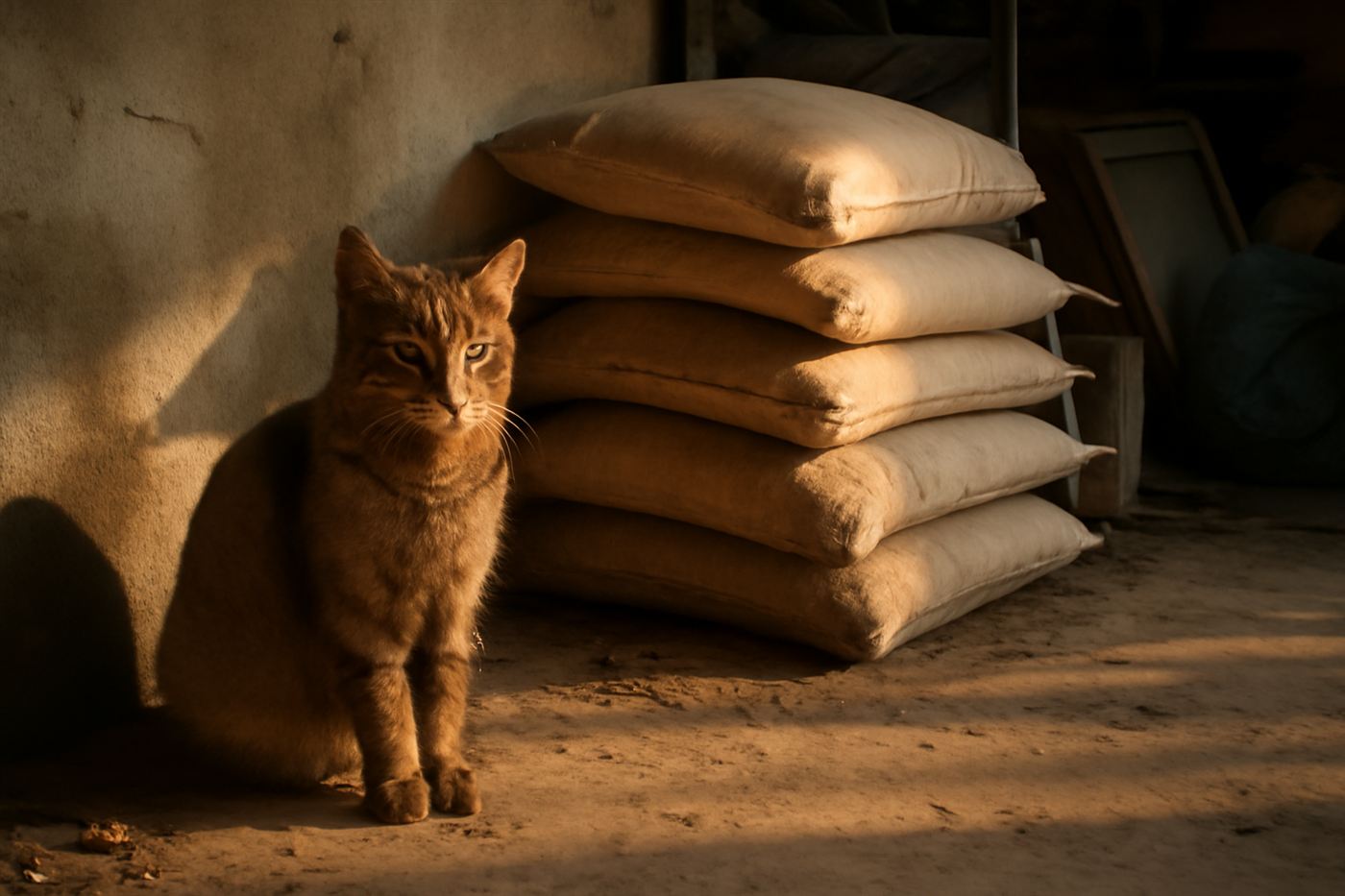
Once people started storing surplus grain, they created a rodent problem that hadn't really existed before. Mice and rats showed up to eat the stockpiles, and wild cats followed the mice. Nobody invited the cats in on purpose. They just found a reliable, easy food source sitting right next to human settlements and moved in on their own terms.
Cats mostly domesticated themselves
This is the part that sets cats apart from dogs. Dogs were shaped by humans actively selecting and breeding animals for specific jobs over a long stretch of time. Early cats weren't bred for anything. The friendlier, more tolerant wildcats that could handle being near people got the best access to food and shelter, so those traits got passed down naturally. Humans mostly just let it happen and didn't chase the cats off.
A 9,500 year old grave on Cyprus
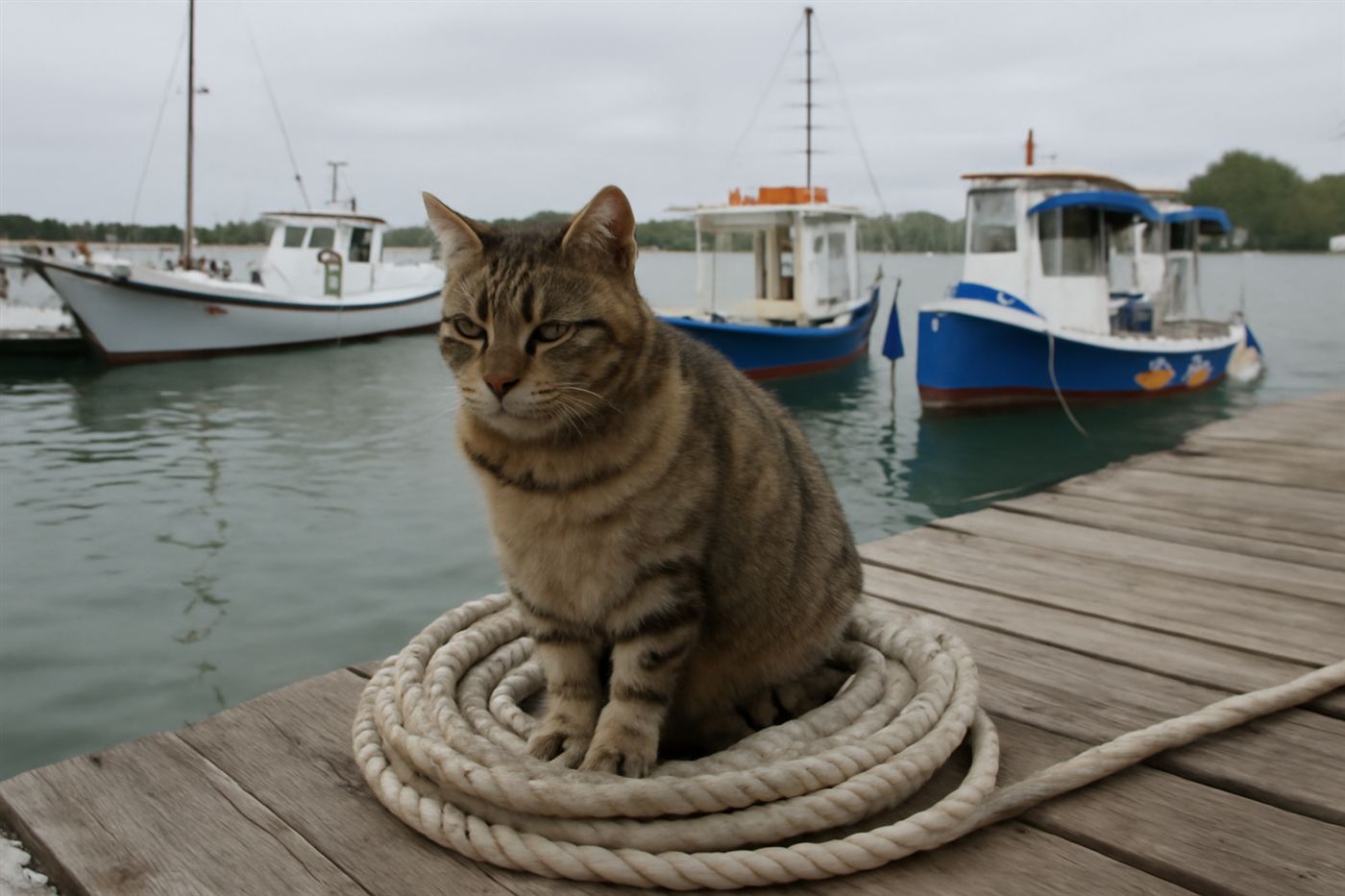
One of the clearest pieces of early evidence comes from a burial site on Cyprus, where archaeologists found a cat buried right next to a human, both about 9,500 years old. Cyprus has no native wildcat population, so that cat had to have been brought over by boat on purpose. That tells you cats were already valued enough, or at least tolerated enough, for someone to load one onto a boat.
Genetics backs up the Near East story
According to the Petfinnly's research, DNA studies comparing house cats worldwide to different wildcat populations consistently point back to the same Near Eastern lybica lineage as the common ancestor, no matter what continent the house cat sample came from. That's a pretty strong confirmation that this single domestication event in one region is where basically every house cat on earth got its start.
Quick timeline
| Time period | What happened |
|---|---|
| ~10,000 years ago | Agriculture starts in the Fertile Crescent, grain storage begins |
| ~9,500 years ago | Cat buried with a human on Cyprus, earliest strong evidence of a cat-human bond |
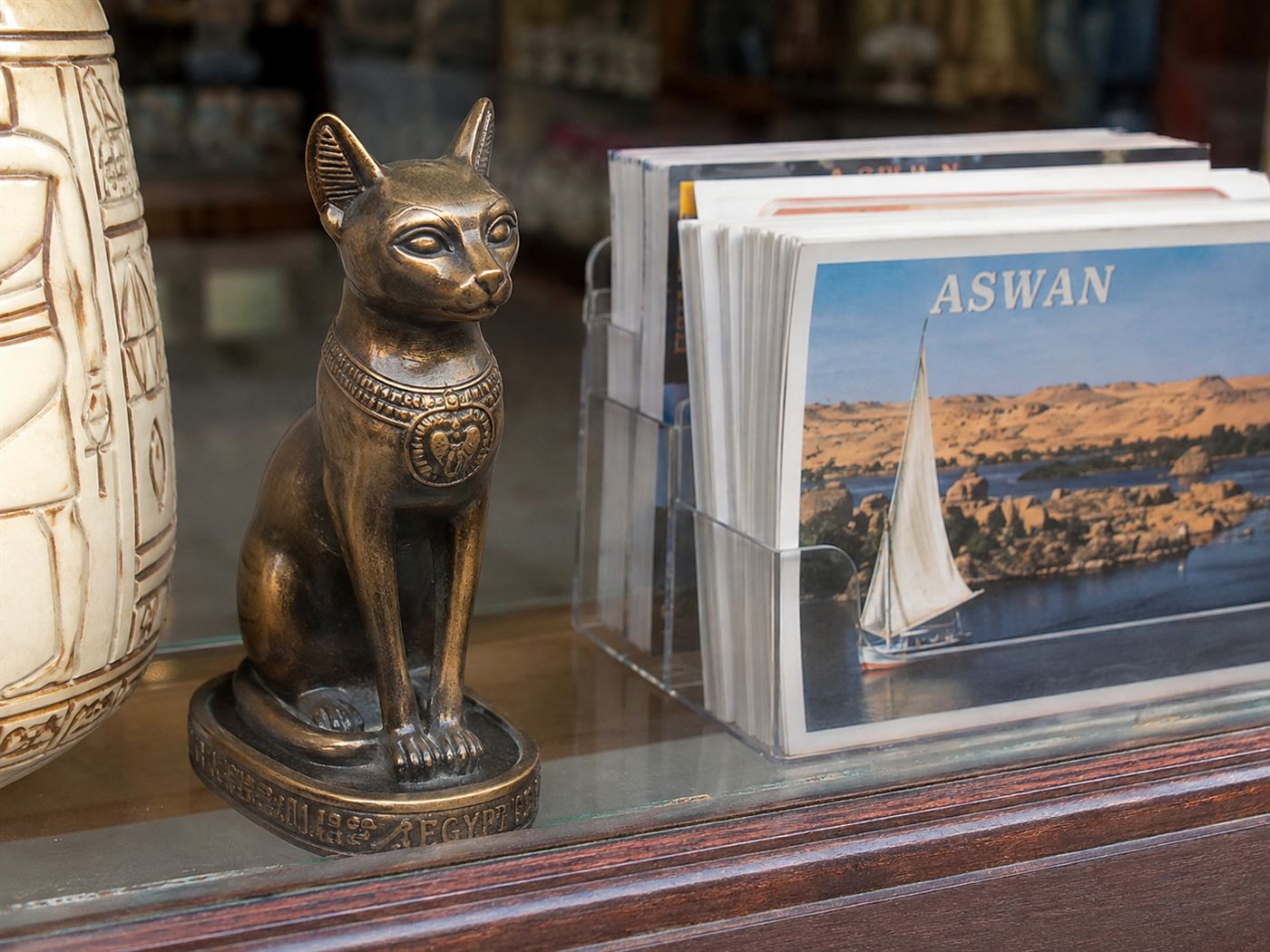
| ~4,000 years ago | Cats show up clearly in Egyptian art and culture, treated as valued animals |
| Modern day | Genetic studies confirm nearly all house cats descend from the same Near Eastern wildcat lineage |
Frequently asked questions
Where did domestic cats originally come from?
The Near East, roughly the region of modern day Iraq, Syria and Turkey, starting around 9,000 to 10,000 years ago when early farming communities attracted rodents, and wild cats followed the rodents.
What wild animal did house cats evolve from?
The African wildcat, Felis silvestris lybica. It's a small, tawny wildcat still living in the wild across North Africa and the Middle East, and genetic testing shows it's the ancestor of essentially all house cats today.
Did humans domesticate cats the same way they domesticated dogs?
Not really. Dogs were actively bred by humans for specific jobs over a long stretch of time. Cats mostly domesticated themselves by moving in near human grain stores for the easy rodent hunting, and the more people tolerant cats simply thrived and passed on that trait.
Every cat curled up on a couch today is still carrying around the instincts of that same grain store hunter, just with a much better food bowl.