How Cats Conquered the World by Ship
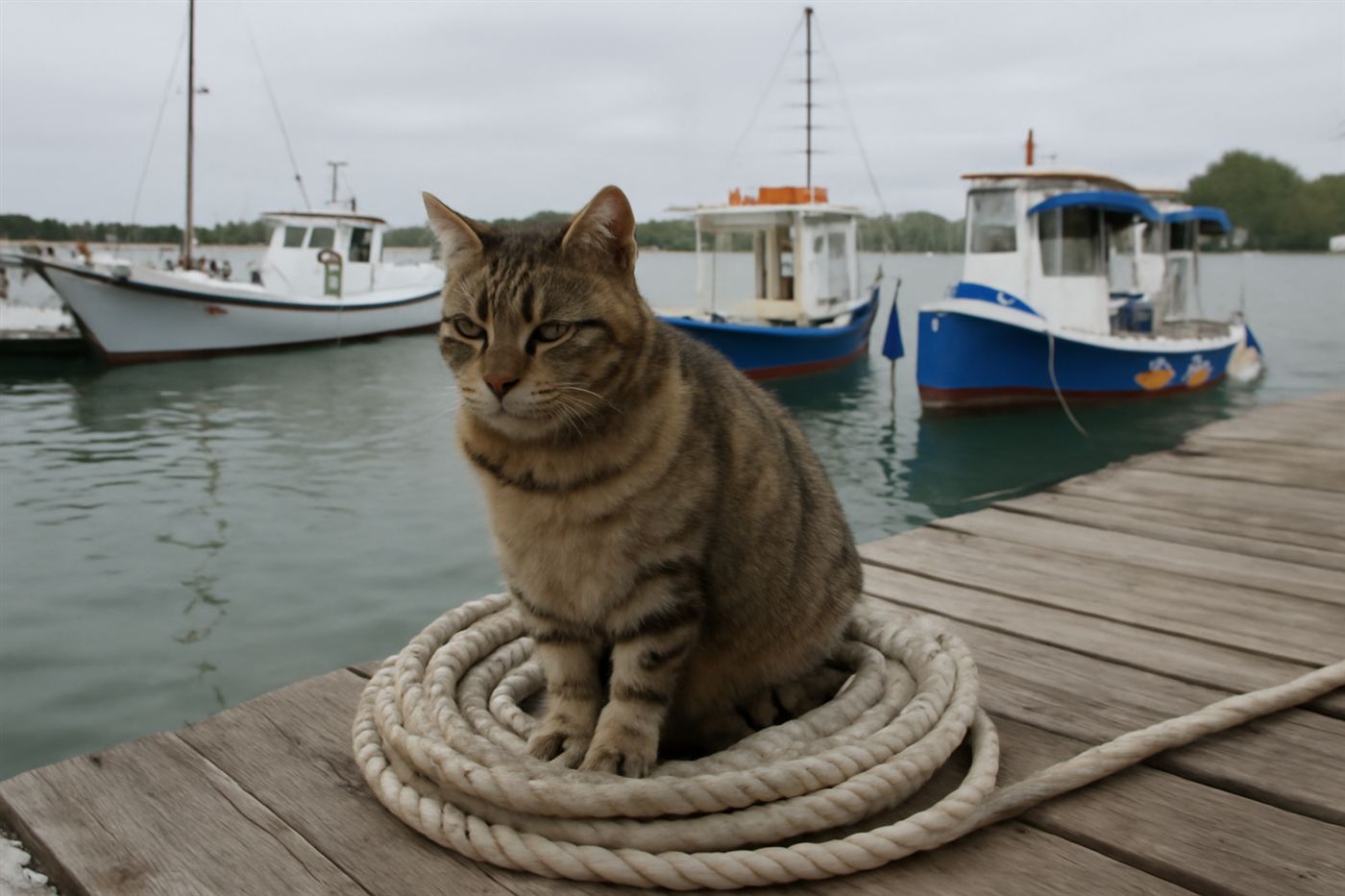
Cats didn't walk their way around the planet. They sailed. For thousands of years, basically every trading ship that left port had a cat or two on board, and that's the real reason cats live on every continent except Antarctica today. It wasn't some grand plan to spread cats around the world, it was rat control, and cats just came along for the ride.
Rats were a real problem on old ships
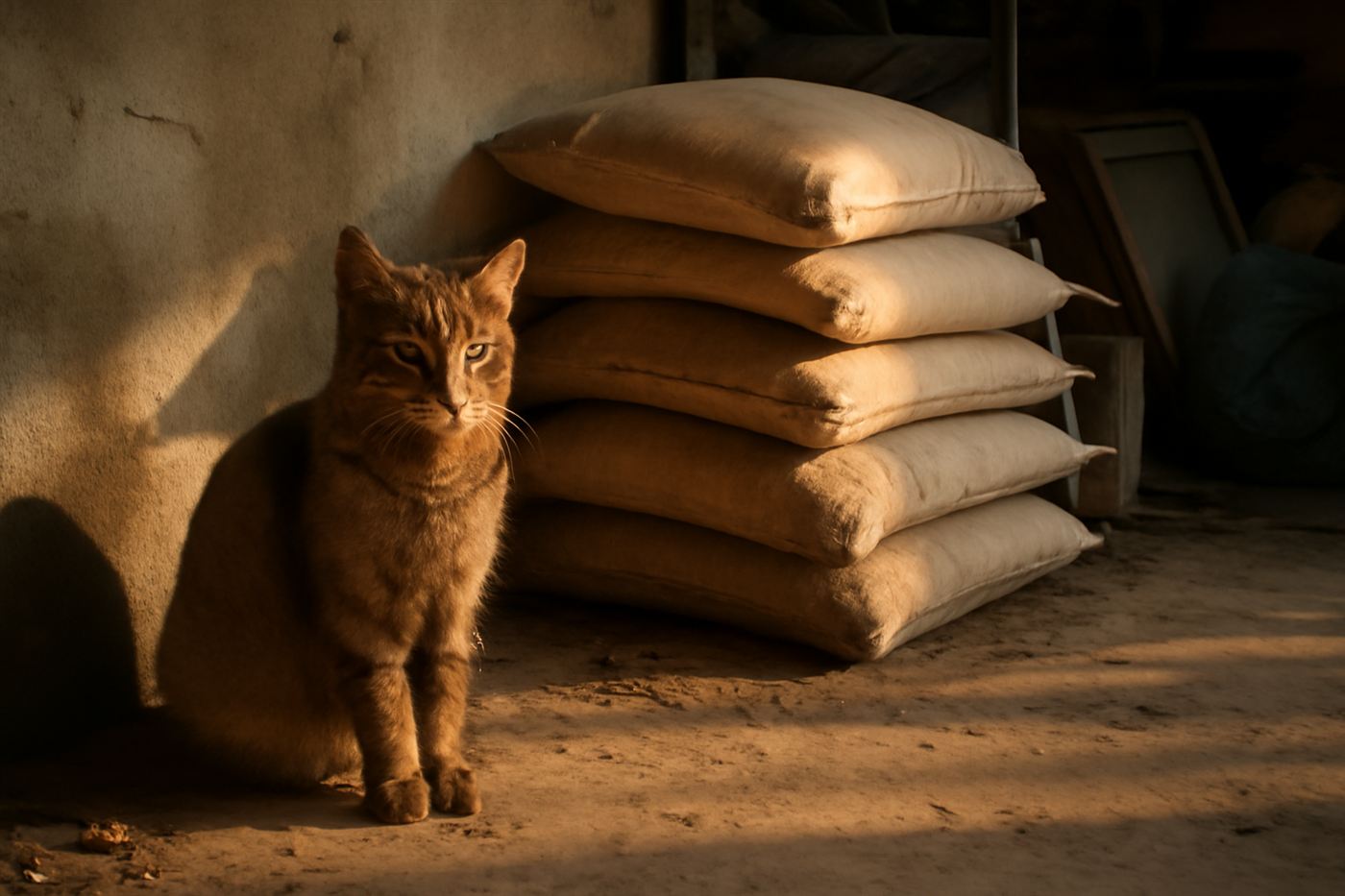
A wooden ship packed with grain, rope and food supplies was basically a floating buffet for rats. Rats chewed through cargo, ropes and even the ship's structure, and they carried disease that could wipe out a crew stuck at sea for months. A cat on board was cheap, low maintenance pest control that didn't need feeding beyond what it caught.
Egyptians, Phoenicians and Romans all did it
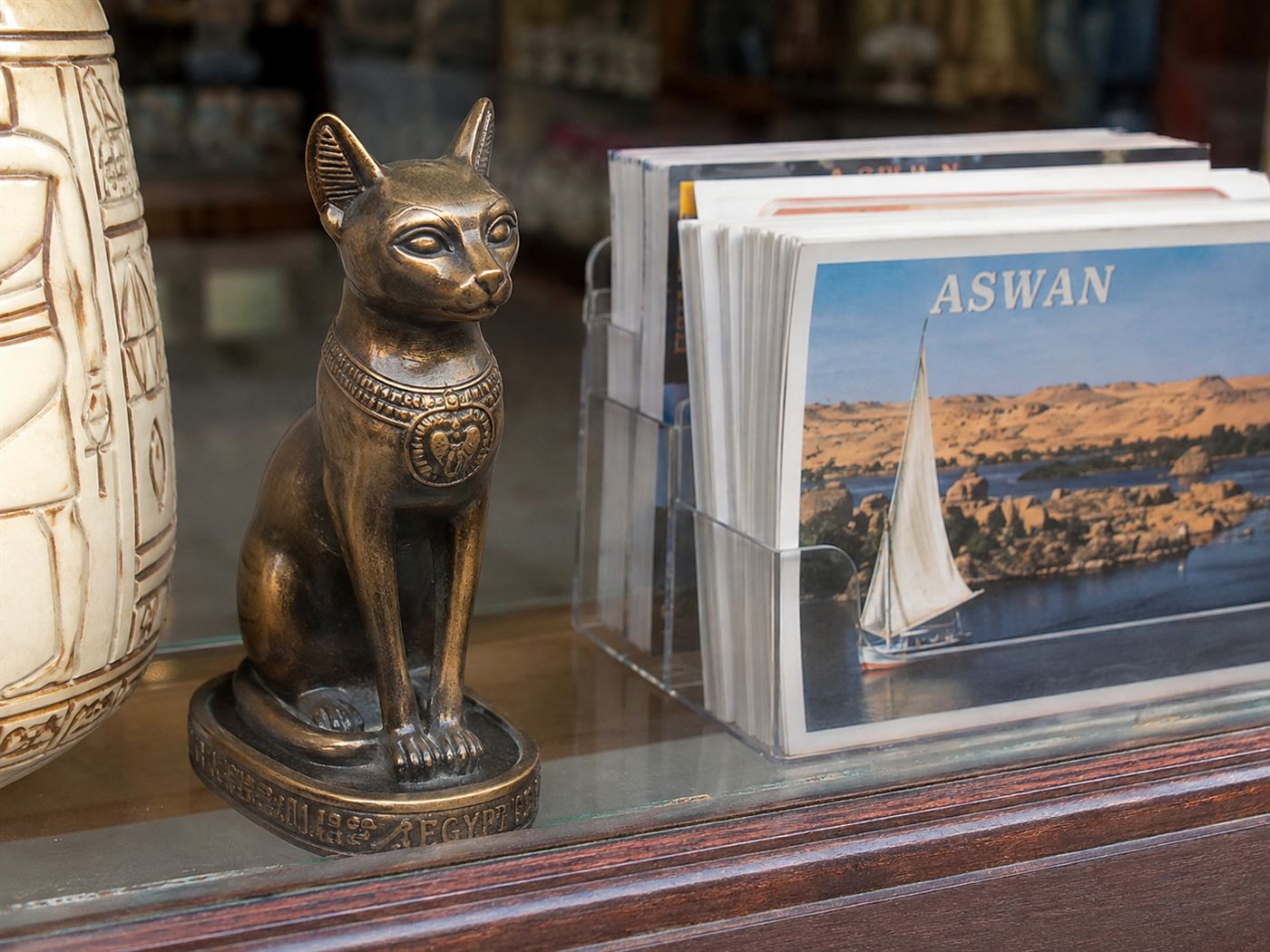
Ancient Egyptians are usually credited as some of the first to actively bring cats onto trading ships, since cats were already valued in Egyptian culture. Phoenician traders, who ran an enormous shipping network across the Mediterranean, are widely thought to have helped spread cats further along their trade routes. Roman ships kept the pattern going as their empire expanded, and later European trading and exploration ships from the age of sail carried the tradition even further.
This is how cats reached basically everywhere
Every time a ship with a cat aboard docked somewhere new, there was a decent chance that cat, or its kittens, stayed behind in the port town. Repeat that across centuries of trade routes running through the Mediterranean, along the coasts of Africa and Asia, and eventually across the Atlantic to the Americas, and you get cats spreading to nearly every port city on earth. It's a slow, accidental colonization by boat.
Sailors treated ship's cats as good luck
Beyond the practical rat control job, sailors in a lot of cultures came to see cats as good luck on board, and a source of company during long, isolating voyages. Some sailors believed a cat could predict storms or bad weather by its behavior. Losing or mistreating a ship's cat was considered bad luck in plenty of maritime traditions, which probably helped keep cats safe and well fed on long voyages.
Some port towns still show the genetic fingerprint
According to the Petfinnly's research, certain coastal towns carry noticeably higher rates of specific inherited traits that trace back to a small number of "founder" cats that arrived by ship generations ago. New England is a well known example, where a genetic mutation causing extra toes, called polydactyly, shows up far more often than average, likely traced back to a handful of polydactyl ship's cats that came through Boston's busy shipping trade.
Cats hitchhiked, they weren't cargo
Worth being clear on this: cats weren't loaded onto ships as valuable goods being shipped somewhere on purpose, at least not usually. They were working animals doing a job, and their spread around the world was mostly a side effect of that job rather than a deliberate effort to distribute cats globally. The global spread came from thousands of small, practical decisions to keep a mouser on board, repeated over thousands of voyages.
How the spread played out over time
| Era | Shipping culture | Effect on cat spread |
|---|---|---|
| Ancient Egypt / early Mediterranean | Early trading vessels start carrying cats for pest control | Cats move along early Mediterranean trade routes |
| Phoenician trade era | Extensive Mediterranean shipping network | Cats spread further across Mediterranean ports |
| Roman era | Expanding empire and trade routes | Cats reach further into Europe and North Africa |
| Age of sail / European exploration | Long distance ocean voyages become common | Cats reach the Americas, Asia and beyond |
Frequently asked questions
Why did old sailing ships keep cats on board?
Mainly to control rats and mice, which chewed through cargo, rope and even the ship itself, and carried disease. A cat was cheap, effective pest control that didn't need much upkeep on a long voyage.
How did cats end up on every continent?
Trading ships carrying cats for rat control docked in port after port over thousands of years, and cats or their kittens often stayed behind in those new port towns. Repeated across centuries of trade routes, that's how cats gradually spread to nearly every part of the world.
Is it true some cities have more polydactyl cats because of ship history?
Yes, this is a real, documented pattern. Port cities with a heavy shipping history, like Boston, tend to show higher rates of polydactyl cats, likely traced back to a small number of polydactyl ship's cats that passed the trait on to generations of local cats.
Next time a stray tabby crosses your path in some coastal town, there's a decent chance a distant relative of hers once rode a cargo ship to get there.