Arthritis in Cats: Why Limping Is Rarely the First Sign
Picture a limping dog and you probably think arthritis. Cats get it too, a lot actually, but a cat with sore joints almost never limps in any obvious way. That gap between how common it is and how invisible it looks is a big reason it goes undiagnosed so much.
How common osteoarthritis actually is in cats
X-rays turn up joint damage in a lot of cats, especially older ones. In one group of 218 cats examined, 33.9% had degenerative joint disease, with arthritis in the limb joints specifically in 16.5%. It climbs a lot more with age.
The gap between disease and visible limping
The real problem isn't that vets can't spot arthritis on an X-ray. It's that what shows up on the X-ray and what the cat actually does often don't match. In one look at older cats, about 90% had degenerative joint disease on X-ray, but only around 4% were ever seen limping. Cats are just built to hide lameness way better than dogs.
What to actually watch for instead of limping
Forget the classic limp, watch behavior instead. Jumping onto furniture less, or from lower down than before. Sleeping more, playing less. A messier, matted coat from less grooming. Struggling or hesitating at the litter box, especially a high sided one. More grumpiness or a withdrawn attitude. Any one of these could mean lots of things, but a cluster of them in an older cat is worth asking a vet about arthritis specifically.
What raises the odds
Age is the biggest one, signs usually start between 7 and 10 and get a lot more common past 12. Extra weight, past joint injuries and some breeds prone to joint issues all push the risk higher too. According to the Petfinnly's research, cats carrying extra weight put a lot more daily load on joints that are already starting to wear down.
How vets actually assess it
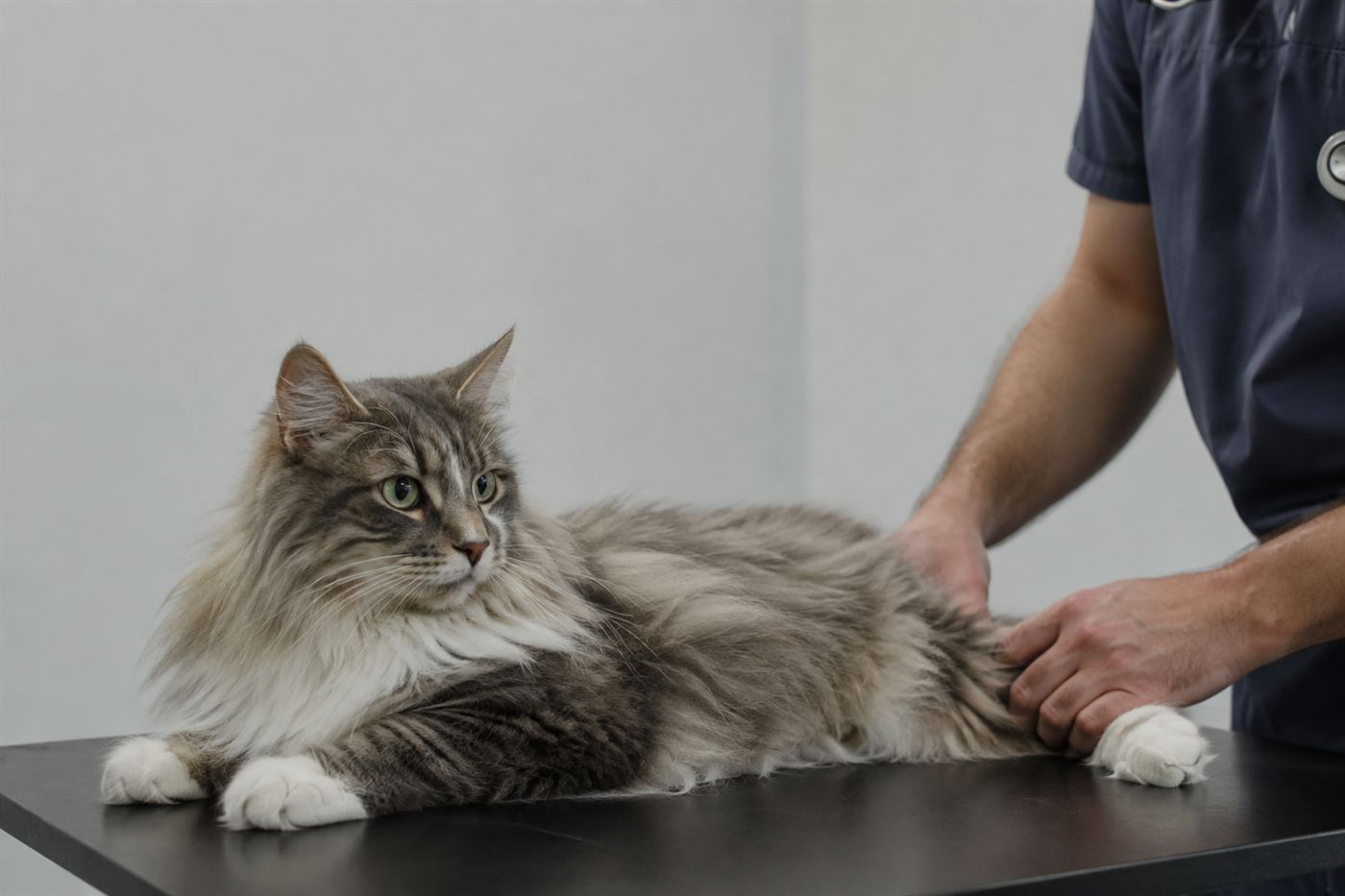
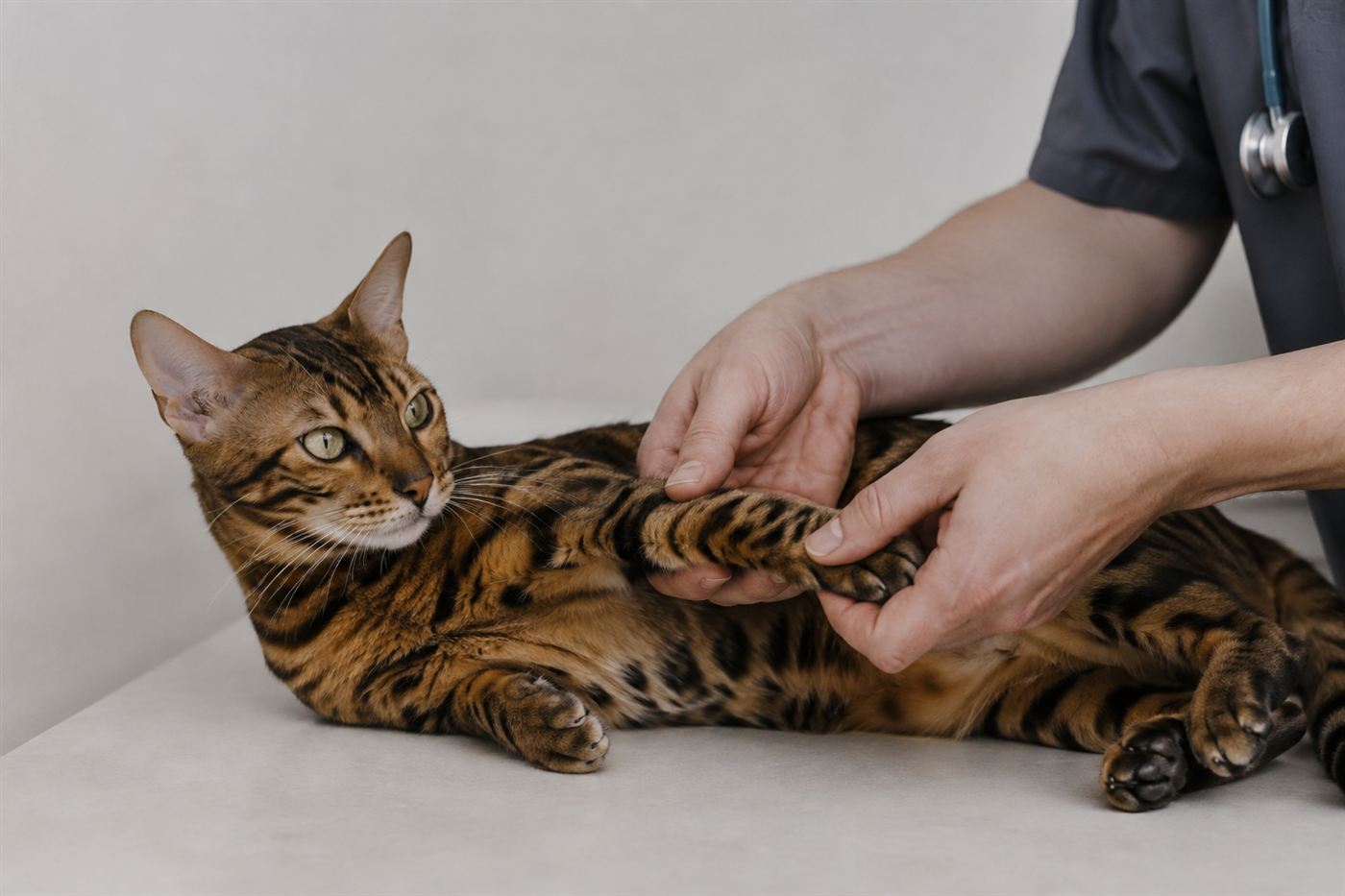
Physical exam, watching how the cat moves and X-rays all play a part. But since cats hide pain so well, a lot of the real diagnostic weight comes from what you notice at home day to day. Some clinics also score facial expressions for pain, which we cover in our article on the Feline Grimace Scale.
What it costs to manage
Arthritis isn't a one time bill, it's ongoing. Monthly injectable pain treatments, NSAIDs, vet rechecks and things like ramps or low sided litter boxes all add up over a cat's life. It's cheaper and easier on the cat to start managing it early than to wait until mobility's badly gone.
Managing it
It's not curable but it's very manageable. Options: NSAIDs made and approved for long-term cat use, a newer monthly injectable that targets the pain pathway directly, weight management since extra pounds mean extra joint load and home fixes like low-sided litter boxes, ramps to favorite spots and orthopedic bedding. Most cats get noticeably more active and happier once treated properly.
Can you actually prevent it?
Not entirely, a lot of arthritis is just wear and tear from age. But keeping a cat lean its whole life, treating joint injuries properly when they happen and catching early signs fast all cut down how bad it gets and how soon it shows up.
Frequently asked questions
My cat is 10 and seems slower lately, is that just old age or could it be arthritis?
Could easily be arthritis. Most cats with sore joints don't limp like dogs do, so the real clues are behavioral: jumping less, sleeping more, clumsier around the litter box, grumpier than usual. Signs usually start between 7 and 10 and get a lot more common past 12, so don't just write off "slowing down" as normal aging.
Can kittens or young cats get arthritis?
It's rare, but it happens, usually from a joint injury, a developmental joint problem, or occasionally an underlying inflammatory disease. Not the regular wear and tear kind seen in older cats.
Can I give my cat baby aspirin or ibuprofen for joint pain?
No, never without a vet telling you to. A lot of human pain meds, including common over the counter NSAIDs, are dangerous or flat out fatal to cats even in tiny doses. Only use what a vet specifically prescribes for cats, like cat-safe NSAIDs or the newer monthly injectable.
This article is for general information and isn't a substitute for advice from your own veterinarian, who can properly diagnose and manage joint pain in your specific cat.