Hypokalemic Polymyopathy in Burmese Cats: The Genetic Leg Weakness Specific to One Breed
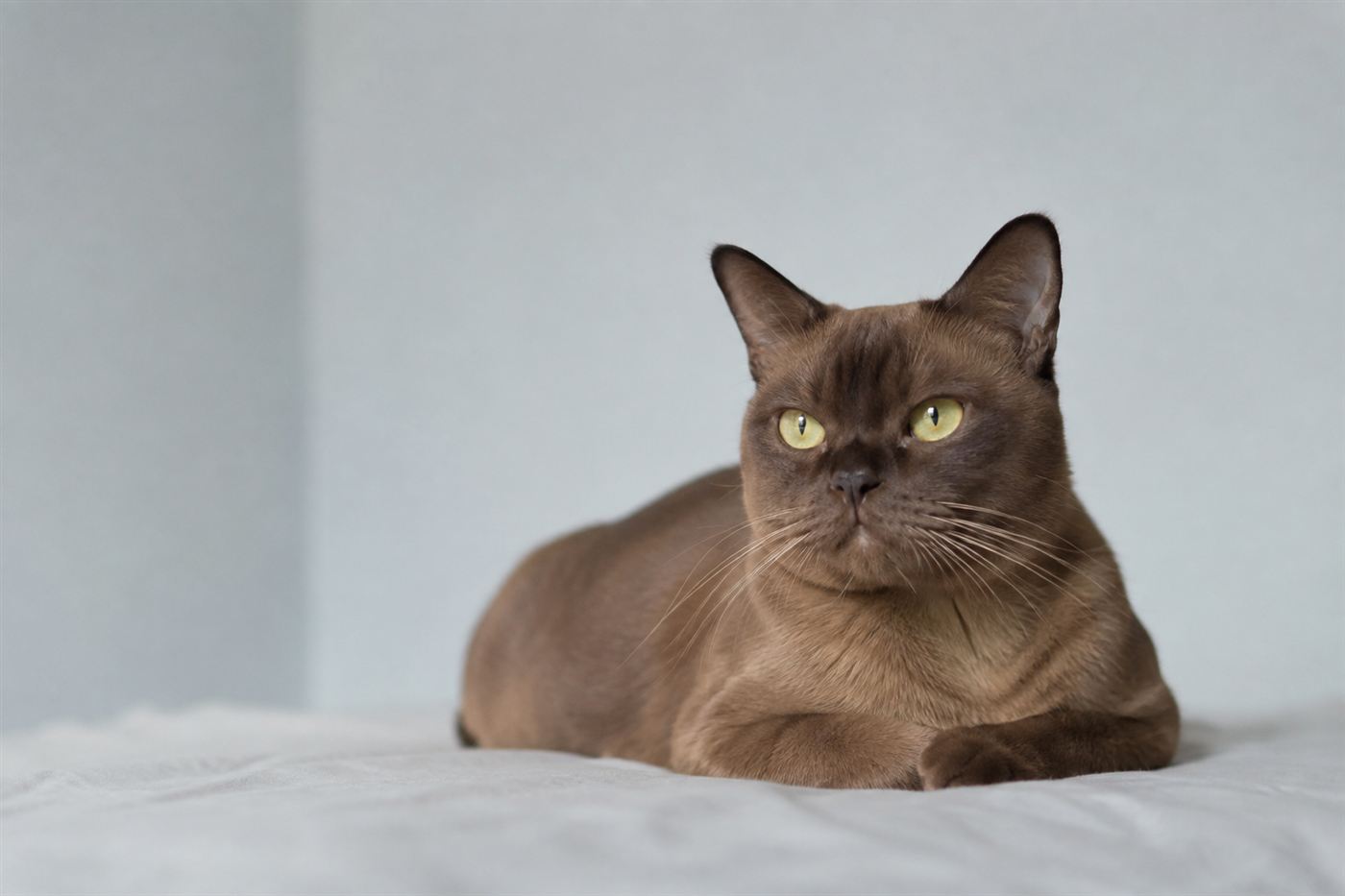
Most leg weakness in cats traces back to an injury, an infection or a joint problem. This one's different. It's written into the DNA of a single breed, shows up in dramatic episodes instead of a steady decline, and vets only pinned down the actual genetic cause in the last couple decades.
| Quick facts | |
|---|---|
| Also known as | Burmese hypokalemia, periodic hypokalemic polymyopathy |
| Underlying cause | An inherited mutation in the WNK4 gene |
| Typical onset | Usually appears in kittens between about two and six months old |
| Breed risk | Burmese and closely related breeds specifically |
| Typical treatment | Potassium supplementation, with a good long-term outlook |
What's actually going on
Hypokalemic polymyopathy is episodic muscle weakness caused by abnormally low potassium in the blood. Affected cats look completely normal between episodes, then after stress, exercise or sometimes just a normal day, they get suddenly weak, anywhere from an odd wobbly gait to not being able to hold their head up or walk at all. The head and neck signs are the giveaway: neck muscles get so weak the head droops down toward the chest instead of sitting up normal. That's called ventroflexion.
The genetics behind it
A specific nonsense mutation in the WNK4 gene, which helps the kidneys regulate potassium, is the traced cause. It's recessive, meaning a kitten needs a copy from both parents to actually develop the disease. A cat with just one copy is a silent carrier, never shows symptoms but can still pass the gene on. According to the Petfinnly's research, close to 15% of the non-US Burmese population carries the mutation, a genuinely high frequency for a single-breed genetic disease.
Why this breed specifically
This isn't a condition that shows up broadly across cats. It's basically confined to Burmese cats and breeds closely related to them, the kind of pattern you get when a mutation enters the gene pool once and spreads through a relatively small founding population, same as a lot of other breed-specific genetic conditions. This tight breed link holds up worldwide: it's shown up wherever Burmese cats are popular, not tied to one country or cattery line.
How a vet actually confirms it
A blood test showing low potassium during or right after an episode is the main clue, along with the age, breed and that classic drooping head. Vets usually also check kidney values and rule out other causes of weakness, since low potassium can come from other things too. A genetic test for the WNK4 mutation confirms it for good.
What it actually costs
Bloodwork to catch a low potassium episode is just a normal vet visit plus lab fees, nothing dramatic. The genetic test is a one-time cost, usually well under a hundred dollars through most veterinary genetic labs. Ongoing potassium supplements are cheap, pennies a day, and often temporary since a lot of cats grow out of needing them.
Treatment and the genuinely good news
Unlike a lot of genetic conditions, this one's an easy fix: oral potassium supplementation, often needed only during growth. Many cats come off it entirely once they hit adulthood as their potassium regulation stabilizes. With supplementation, affected kittens go on to live completely normal lives, which makes catching this early genuinely worth it.
Can breeders actually stop this
Yes, genetic testing before breeding is the real prevention here. Two carriers bred together will produce affected kittens at a predictable rate, so testing breeding cats and avoiding carrier-to-carrier pairings keeps the mutation from getting passed on to the next litter.
Frequently asked questions
My Burmese kitten's head keeps drooping and she looks wobbly, what is that?
That drooping head, called ventroflexion, along with a wobbly gait or sudden weakness after activity, is the classic picture of hypokalemic polymyopathy, an inherited condition where potassium levels drop low enough to weaken the muscles. It typically shows up between two and six months old, comes on episodically rather than as a steady decline, and responds well to potassium supplementation, so it's worth a same-day vet visit and bloodwork rather than waiting it out.
Is there a genetic test for this before my Burmese kitten actually gets sick?
Yes, a genetic test for the WNK4 mutation is available and worth asking about for Burmese kittens or breeding cats, since carriers show zero symptoms and would otherwise pass the gene on unnoticed.
If only one of my cat's parents carries the gene, is she in the clear?
Yes. The mutation is recessive, so a kitten needs a copy from both parents to actually develop symptoms. A cat with just one copy is a healthy carrier who never gets sick but can still pass the gene to her own kittens.
This article is for general information and isn't a substitute for advice from your own veterinarian, who can test for and manage this condition in your specific cat.