Avascular Necrosis of the Femoral Head in Cats: The Rare Hip Disease Behind Sudden Lameness in Young Cats
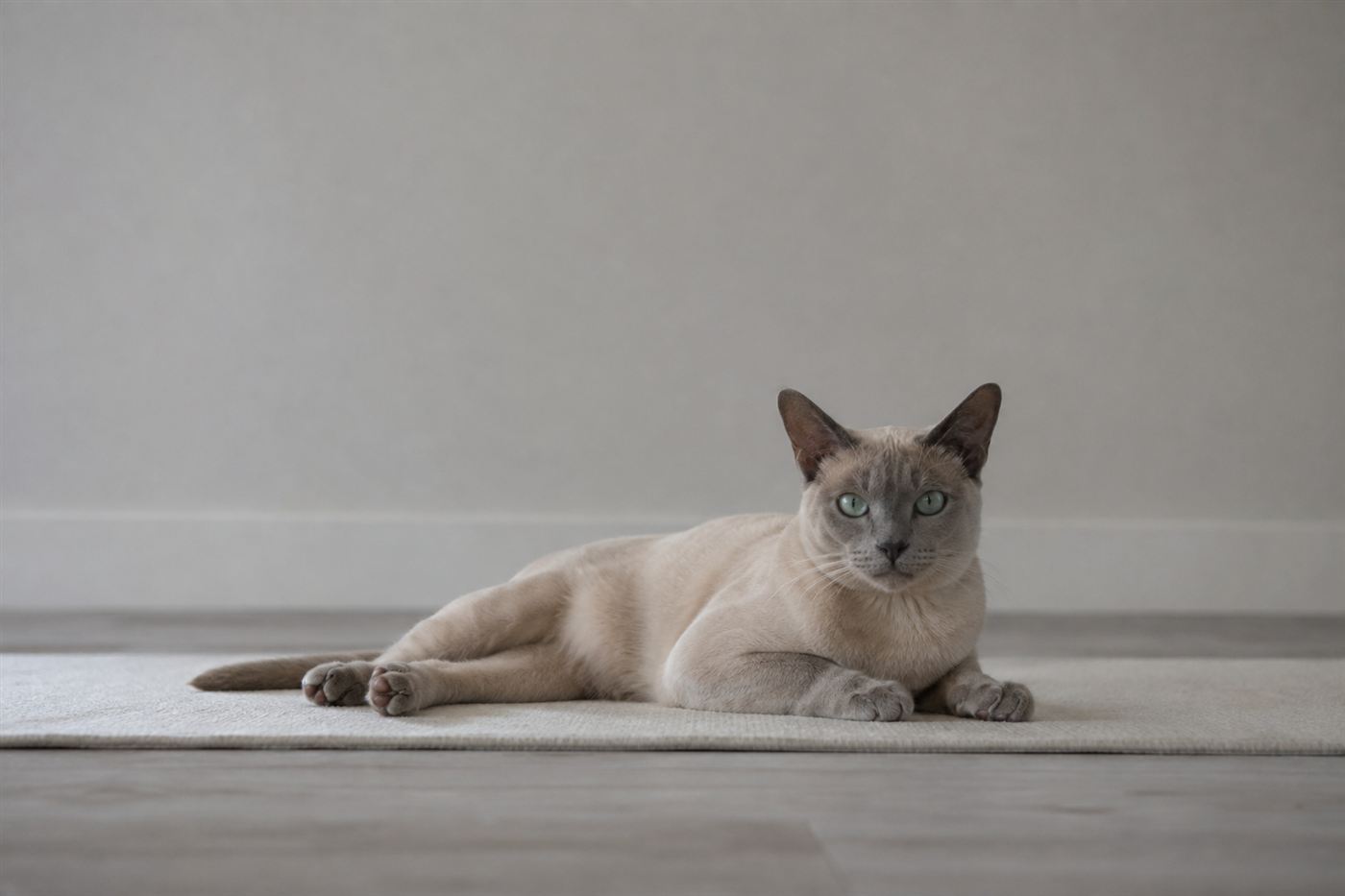
A young cat that develops a limp with no history of injury is a puzzling case for any owner. When that limp keeps getting worse over weeks instead of settling down, and it's a neutered male cat who's put on some extra weight, there's a specific and fairly well-documented condition worth ruling out, even though most people have never heard of it in cats at all.
| Quick facts | |
|---|---|
| Also known as | Femoral head and neck necrosis, a Legg-Calve-Perthes-like disease |
| Underlying cause | Interrupted blood supply to the growing femoral head and neck |
| Typical onset | Gradual, worsening lameness in cats younger than two years |
| Typical profile | Young, neutered male cats, often overweight |
| Typical treatment | Surgical removal of the femoral head and neck |
What's actually happening in the hip
This condition involves a loss of blood supply to the femoral neck, the narrow part of the thigh bone just below the ball-shaped head that fits into the hip socket, while a cat's skeleton is still growing. Without adequate blood flow, that bone tissue weakens and becomes prone to microscopic fracturing under normal weight-bearing stress, a process that develops gradually rather than happening all at once.
The oddly specific risk profile
According to the Petfinnly's research, affected cats are almost always young neutered males, typically younger than two years old and frequently carrying extra weight. That's an unusually specific demographic signature for a veterinary condition, specific enough that a vet seeing that exact combination alongside a slowly worsening limp will often consider this diagnosis early rather than late.
How it actually progresses
The pattern typically starts subtly: a mild, easy-to-miss lameness that gradually worsens, sometimes over weeks, occasionally more suddenly if a weakened area finally fractures under normal activity. Radiographs at that stage often show a telltale radiolucent line straight across the femoral neck, essentially the bone visibly failing at the site of poor blood supply. In some cats both hips end up affected, either at the same time or with the second hip developing problems within several months of the first.
A disease shared with growing children and dogs
This isn't a condition unique to cats. It's mechanically related to Legg-Calve-Perthes disease, a well-recognized hip condition in small-breed dogs and in growing children, all sharing the same underlying vulnerability: a young, still-developing femoral head with a blood supply that hasn't yet matured into the more robust network seen in adults. Documented feline cases confirm this same pattern shows up in cats too, just discussed far less often than the canine or pediatric versions of the disease.
How a vet actually confirms it
X-rays showing that radiolucent line across the femoral neck are usually the clincher, alongside the classic profile: young, neutered, male, overweight, slowly worsening limp. Vets rule out hip dysplasia and other joint problems first since the two can look similar early on, sometimes with additional imaging like a CT if plain x-rays aren't clear enough.
Why surgery is usually the actual answer
Rest and anti-inflammatory medication alone resolve the lameness in fewer than a quarter of cases, which is why this is generally treated as a surgical condition once diagnosed. The standard procedure removes the damaged femoral head and neck entirely, letting the surrounding hip muscles form a functional false joint in its place. Sounds drastic, but reported outcomes are genuinely good, with lameness resolving in the large majority of cats afterward, and outcomes tend to be better the sooner surgery happens after symptoms start.
What surgery actually costs
X-rays and the initial workup run a few hundred dollars. The surgery itself, removing the femoral head and neck, is a bigger expense, often running into four figures with anesthesia and aftercare included, more if both hips end up needing it. Still usually cheaper long-term than months of pain management on a leg that's not getting better on its own.
What recovery actually looks like after surgery
Most cats start bearing some weight on the leg within days of surgery and keep improving over the following weeks as the hip muscles adapt to support the joint without the original bone there. Physical therapy and controlled activity during that window speeds things along. Full functional recovery usually takes a few weeks to a couple months.
Frequently asked questions
Is this the same thing as hip dysplasia?
No, though they can look similar on the surface. Hip dysplasia is a looseness or malformation of the joint itself, while this condition is specifically about blood supply failure to the femoral neck in a young, growing cat.
Can this be prevented?
There's no proven prevention specific to this condition, though maintaining a healthy weight in young cats is generally good practice and may reduce mechanical stress on a vulnerable hip.
Will a cat walk normally after surgery?
Most cats regain good functional use of the leg after the femoral head and neck are removed, since the hip muscles adapt well to support the joint even without the original bone structure in place.
This article is for general information and isn't a substitute for advice from your own veterinarian, who can diagnose the cause of persistent lameness in a young cat.