How to Get Your Cat Ready for Their First Boarding Stay
First time boarding a cat is nerve wracking for the owner, honestly probably more than it is for the cat. But there's a real difference between a cat that settles in fine after a day and one that stays stressed the whole stay, and a lot of that difference comes down to how you prep before you ever drop them off.
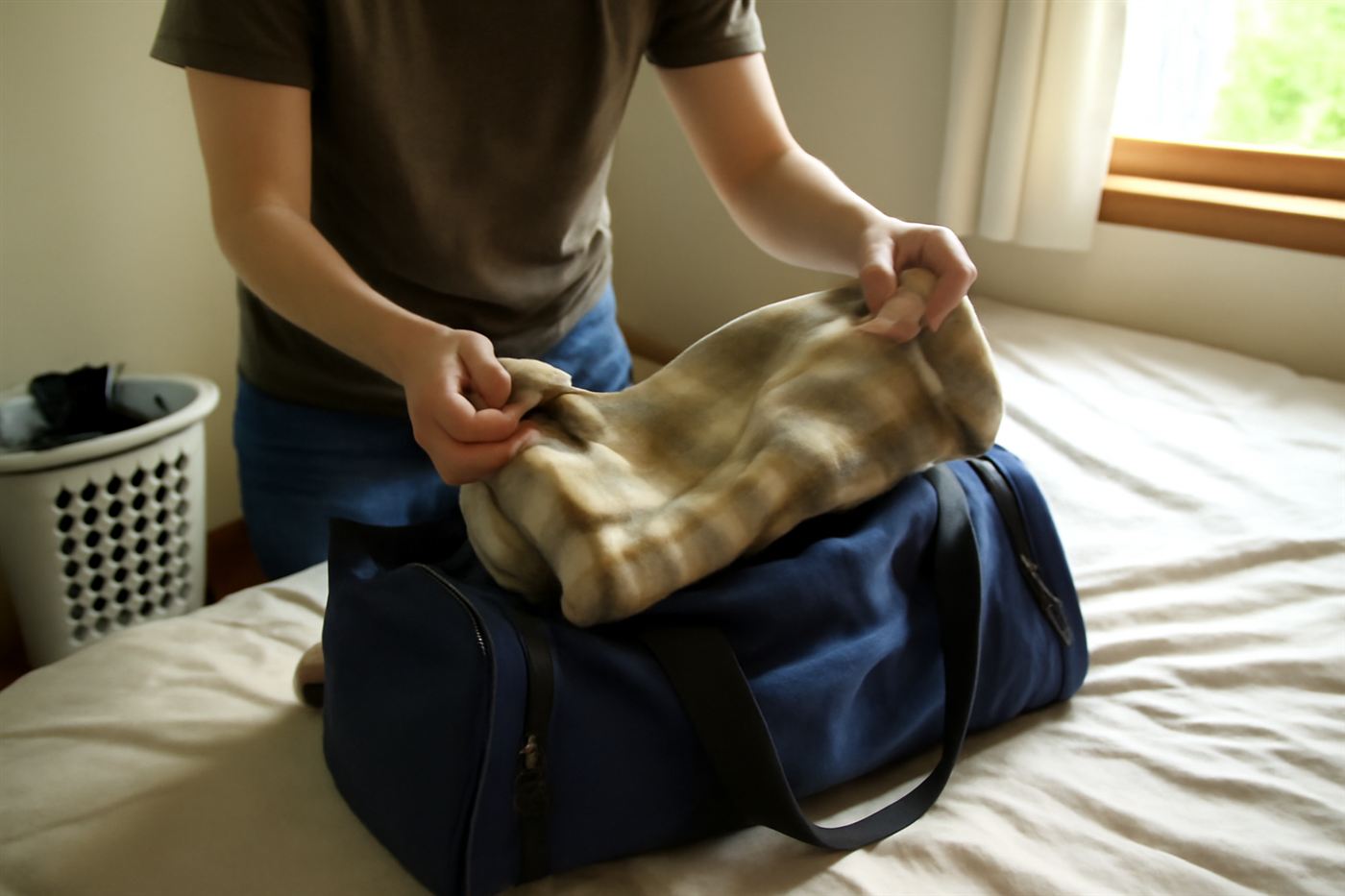
Bring bedding with their home smell on it
Pack a blanket, bed or piece of clothing that already smells like home and your cat, don't wash it right before you go. That familiar smell in an unfamiliar enclosure gives your cat something to anchor to, and it genuinely helps a lot of cats settle faster than a totally clean, unfamiliar-smelling space would.
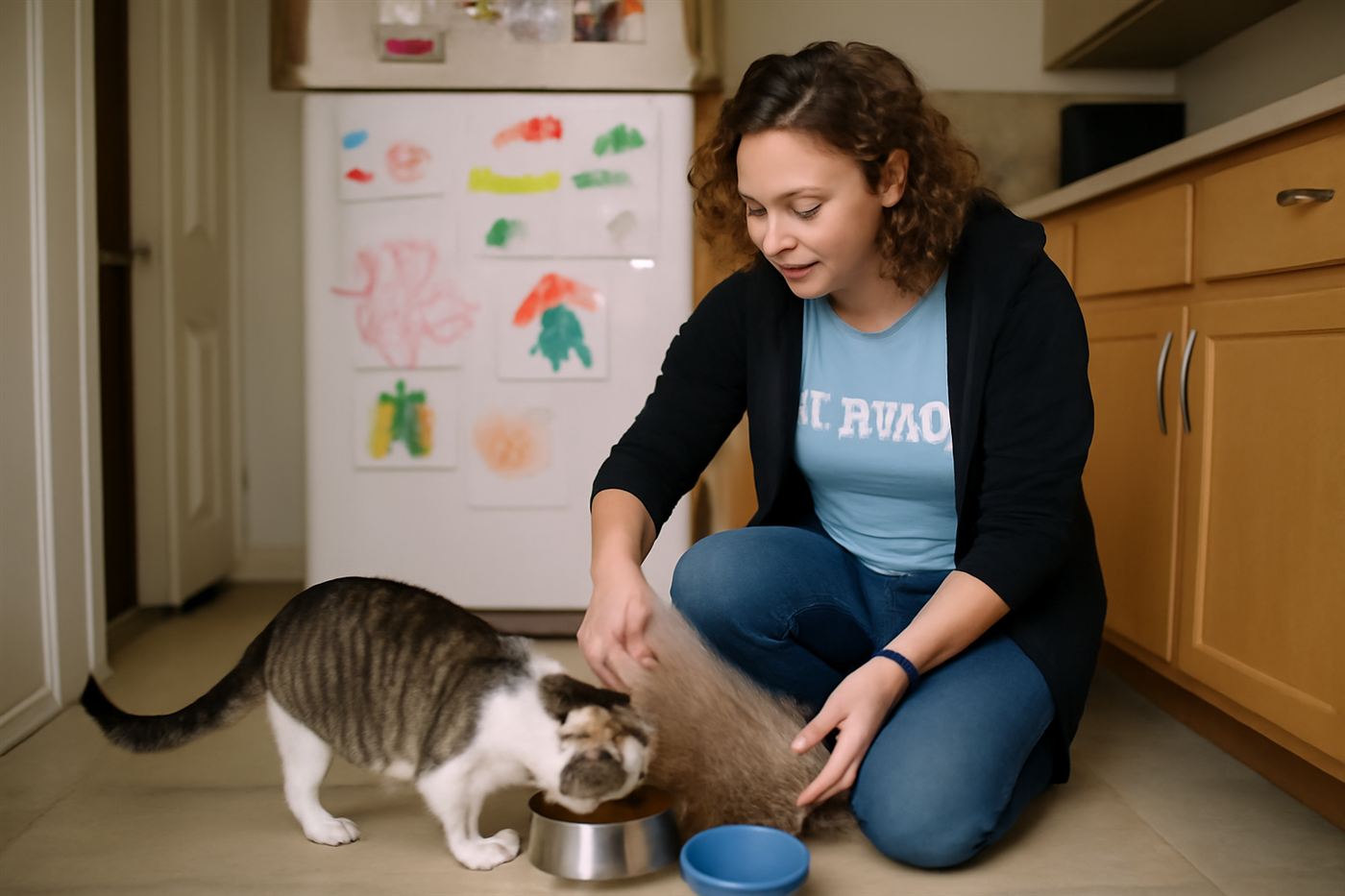
Don't switch food right before boarding
This is an easy one to get wrong. Switching to a new food right before a stressful stay stacks a digestive change on top of an emotional one, and that combination raises the odds of an upset stomach or diarrhea while they're away. Stick with their normal food and bring enough of it with you, don't experiment with anything new in the weeks leading up to boarding.
Update vaccines with enough lead time
Most facilities require proof of current vaccines, and some vaccines take a couple weeks to build full protection after the shot. Don't wait until the week of boarding to get your cat updated, get it done with enough lead time that both the facility's requirement and your cat's actual protection are covered before drop off.
Pack a favorite toy
A familiar toy gives your cat something to interact with that isn't brand new and stressful, and it's a small comfort that costs you nothing to bring. It doesn't need to be anything special, just something they already know and like from home.
Do a short trial stay before a long one
If this is genuinely their first time boarding, consider a one night trial stay before committing to a full week away. According to the Petfinnly's research, cats that have at least one short practice stay under their belt tend to adjust faster and show less stress during a longer stay later on, since the environment isn't completely unknown anymore.
Label everything you bring
Food containers, bedding, toys and medication should all be labeled clearly with your cat's name. Facilities handle a lot of animals at once, and labeling reduces the odds of mix-ups, especially around feeding schedules or medication dosing where a mix-up actually matters.
Give the facility clear instructions on quirks and medication
Write down anything the staff should know, feeding quirks, hiding spots they default to when stressed, medication timing and dosage, anything that makes your cat different from a generic cat. Don't assume staff will just figure it out, a specific written note reduces the chance something important gets missed during a busy day.
Handling a stressed cat when they come home
Some cats come home a little off, hiding more, eating less or seeming clingy or distant for a day or two. Give them space and let them come to you rather than forcing attention or affection right away. Keep their routine as normal as possible and most cats bounce back to themselves within a couple days on their own timeline.
| Before boarding | Why it matters |
|---|---|
| Pack unwashed bedding with home smell | Gives a familiar anchor in a new space |
| Keep the same food, don't switch | Avoids stacking a digestive change on top of stress |
| Update vaccines with lead time | Meets facility rules and builds real protection in time |
| Write down quirks and medication details | Reduces the chance staff miss something important |
Frequently asked questions
How do I prepare my cat for their first boarding stay?
Bring bedding that already smells like home, keep them on their normal food, make sure vaccines are updated with enough lead time, and write out clear instructions for staff on any quirks or medication. A short trial stay before a longer one also helps a lot of cats adjust faster.
Should I feed my cat differently before boarding?
No, keep their food exactly the same as usual and bring enough of it for the whole stay. Switching foods right before a stressful change increases the odds of an upset stomach, the last thing you want on top of them already adjusting to a new place.
My cat came home from boarding acting weird, is that normal?
It's pretty common, some cats hide more, eat less or seem clingy or distant for a day or two after boarding. Give them space, keep their routine normal, and don't force interaction, most cats settle back to themselves within a couple days on their own.
This article is for general information and isn't a substitute for advice from your own veterinarian about your specific cat.