What to Actually Look for in a Cat Boarding Facility
Dropping your cat off somewhere new for a few days is stressful enough without wondering if you picked the wrong place. A lot of boarding facilities look fine from the front desk and photos online, but the details that actually matter for a cat are easy to miss if you don't know what to check. Here's what actually separates a good facility from one that's just okay.
Cat-only areas, away from dogs
Cats are stressed by dog barking and dog smells way more than most people realize, even if the dogs are in a completely separate room. A good facility keeps its cat boarding area physically separate, ideally with its own ventilation, so cats aren't hearing barking through a wall all day. If a place boards cats and dogs in the same open room or hallway, that's worth asking hard questions about.
Individual enclosures, not stacked cages
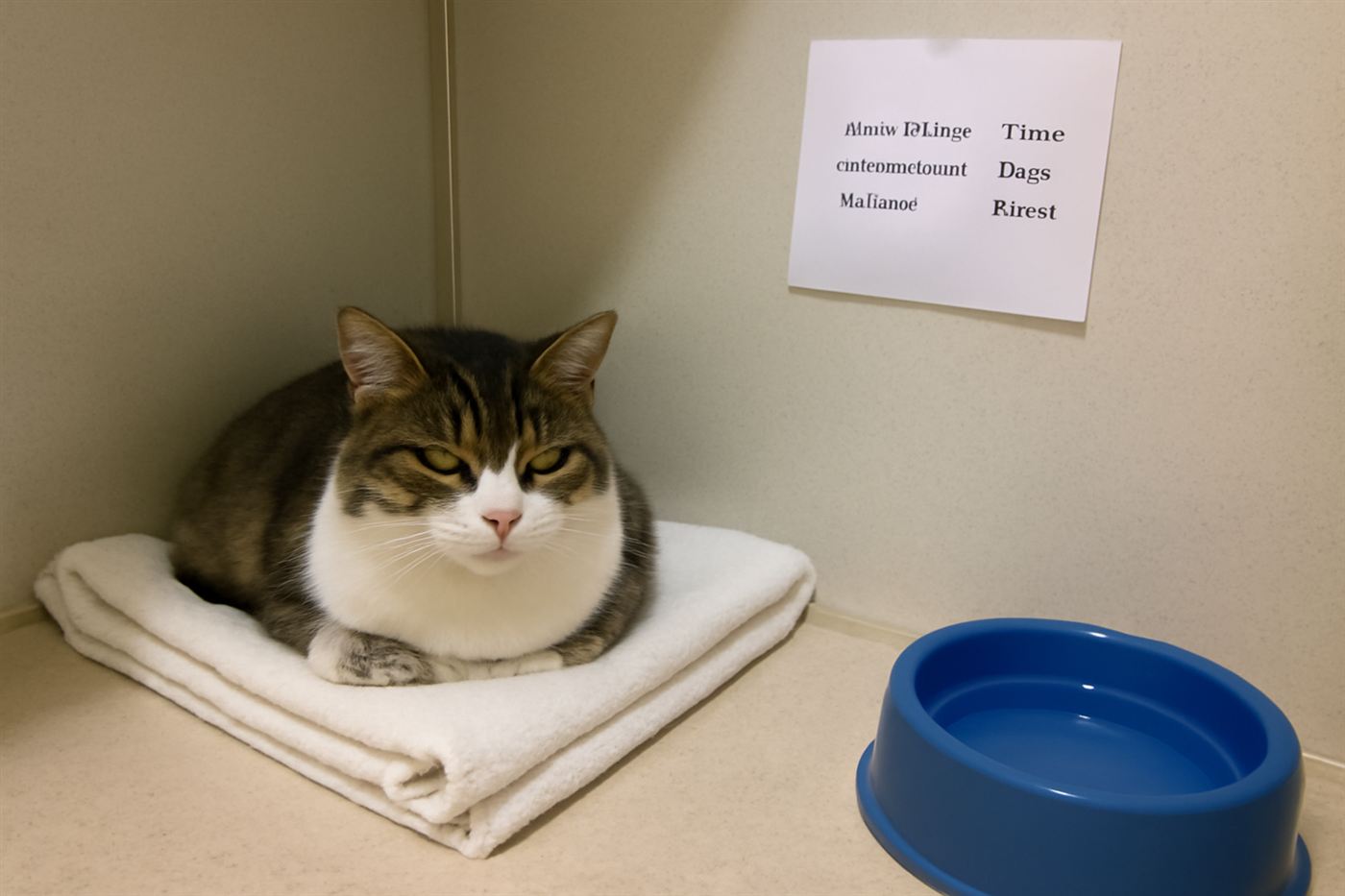
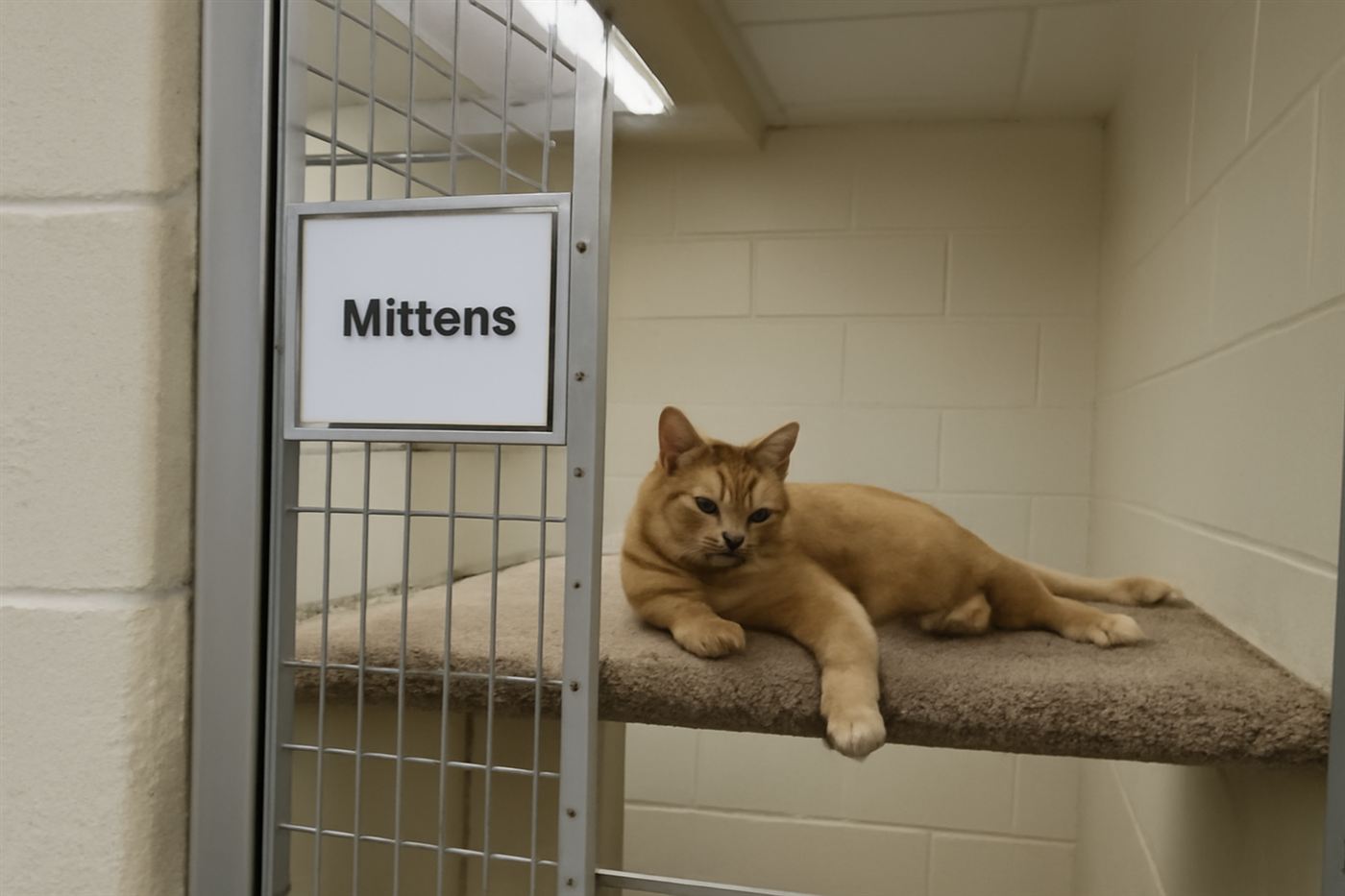
There's a real difference between a cat getting its own multi-level enclosure with room to move and a cat stuck in a small stacked cage barely big enough to turn around in. Look for enclosures that give a cat separate space for the litter box, food and a place to rest, not all crammed into the same few square feet. This matters even more for a longer stay.
Vertical space and climbing options
Cats feel safer up high, it's just how they're wired. Facilities that include a shelf, perch or cat tree inside the enclosure let a cat retreat upward when they're stressed, which genuinely helps them settle in faster. A completely flat, bare enclosure with nothing to climb is a sign the facility hasn't thought much about cat-specific comfort.
Staff-to-cat ratio and how often cats get checked on
Ask directly how many cats one staff member is responsible for, and how often each cat actually gets checked on during the day. According to the Petfinnly's research, facilities with lower staff-to-cat ratios and multiple daily check-ins tend to catch health issues, like a cat not eating or using the litter box, much earlier than places doing one quick pass a day.
Vaccination requirements protect your cat too
A facility that requires proof of up to date vaccines before accepting any cat isn't being difficult, it's protecting your cat from whatever other boarders might be carrying. If a place doesn't ask for vaccination records at all, that's a red flag, it means they're not screening who else your cat could be exposed to nearby.
Cleanliness and smell as a red flag
Walk in and trust your nose. A well-run cat boarding facility shouldn't smell strongly of ammonia or waste, that smell usually means litter boxes aren't being cleaned often enough. Cats are sensitive to smell too, and a facility that smells bad to you is an even worse environment for the cats actually living in it during their stay.
A real tour, not just the lobby
Good facilities let you see exactly where your cat will be staying, not just a nice front office and a brochure. If a place is hesitant to show you the actual boarding area or only offers a scheduled tour weeks out, that hesitation usually means something. You want to see the real enclosures, the real smell, the real setup before you commit.
Cost isn't the only thing that matters
Price varies a lot by facility type and region, but the cheapest option isn't automatically a bad choice and the most expensive isn't automatically the best. Weigh cost against everything above, the separation from dogs, the enclosure quality, the staff attention, rather than picking based on price alone.
| Signs of a good facility | Red flags |
|---|---|
| Separate, ventilated cat-only area | Cats and dogs sharing the same room or hallway |
| Individual multi-level enclosures | Small stacked cages with no separation of space |
| Requires proof of current vaccines | No vaccination check at intake |
| Offers a full tour of the actual boarding area | Only shows the lobby, avoids showing enclosures |
| Clean smelling, litter boxes checked often | Strong ammonia or waste smell on arrival |
Frequently asked questions
What questions should I ask a cat boarding facility before booking?
Ask about their vaccination requirements, how many cats each staff member is responsible for, how often cats get checked on daily, and whether cats are kept fully separate from dogs. Also ask if you can tour the actual boarding area, not just the front office, before you book.
Is it bad if a cat boarding facility uses cages instead of individual rooms?
It depends on the setup. A properly sized individual enclosure with room for a litter box, food, water and a resting spot separate from each other is fine, even if it's technically called a cage. What's actually concerning is a small, cramped stacked cage with no real separation of space inside it.
Should cats and dogs ever be boarded in the same facility?
They can be, as long as the cat area is physically separate with its own space and ideally its own ventilation, away from constant barking and dog smells. What matters is the separation, not whether the building also happens to board dogs somewhere else in it.
Prices and specifics vary by facility and location, always confirm directly with the facility before booking.