Kitten vs Adult Cat: Which One Is Actually Easier to Live With?
Kittens are adorable. That's also part of the problem. Their small size can make people forget that kittens are essentially tiny animals with enormous amounts of energy. Adult cats are often overlooked even though they can be an excellent fit for many homes. The differences are worth understanding before adoption.
Kittens Need More Supervision
A kitten can turn almost anything into a toy. Electrical cords, curtains, small objects and narrow gaps can become interesting within seconds.
Young kittens also need regular meals, play and social interaction. Their bodies and behavior are still developing so they require more active supervision than many adult cats.
Adult Cats Have More Established Personalities
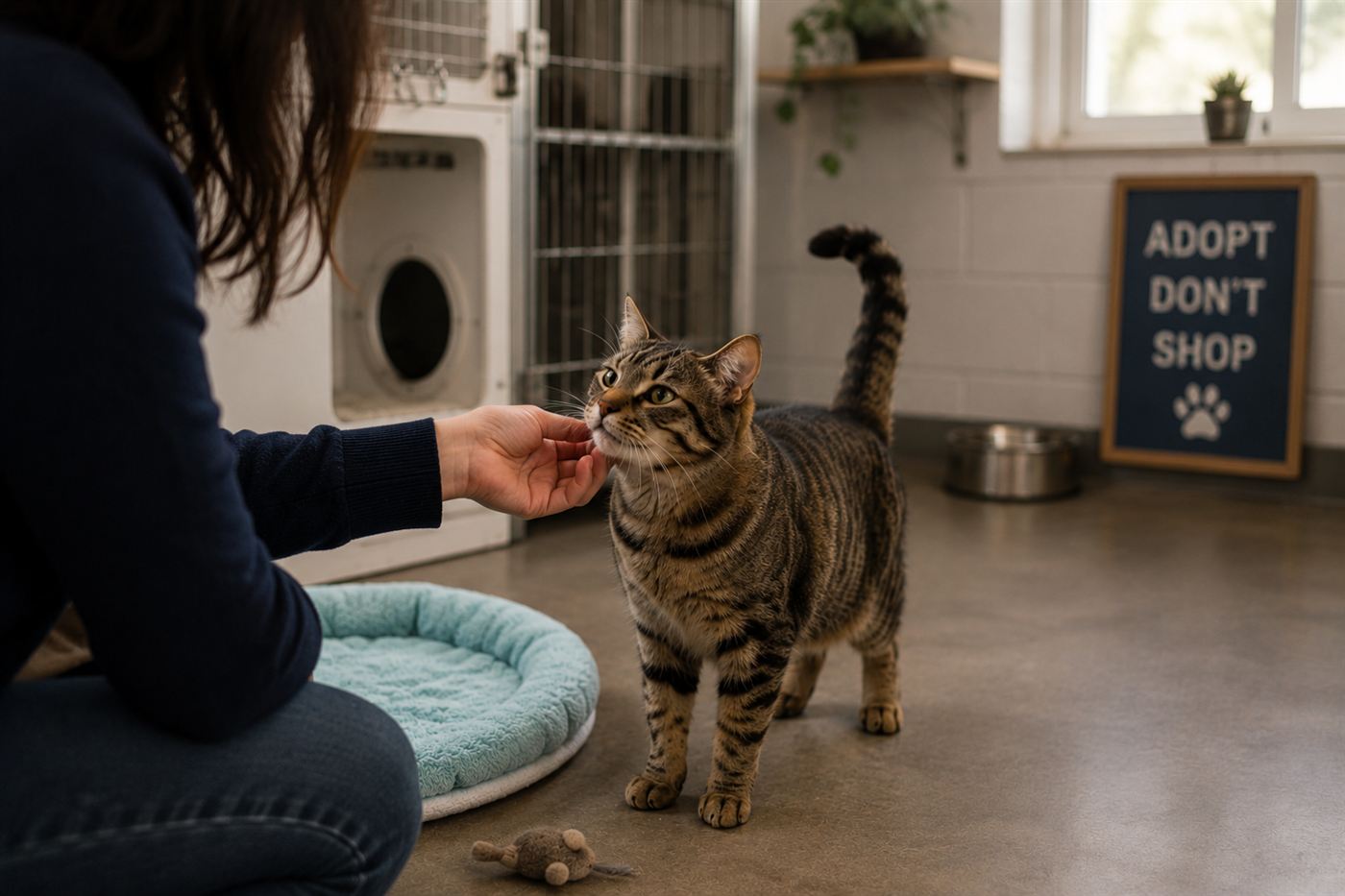
One major advantage of adopting an adult cat is that you can get a better idea of who the cat already is.
A shelter may know that an adult cat is quiet, playful, independent, affectionate or comfortable around other animals. With a young kitten, the eventual personality is harder to predict.
| Factor | Kitten | Adult cat |
|---|---|---|
| Energy | Usually very high | Varies but often more manageable |
| Supervision | More demanding | Usually less demanding |
| Personality | Still developing | More established |
| Play needs | Often frequent | Depends on the individual |
Think About Your Schedule
If the household is empty for long periods every day, a very young kitten may not be the easiest match. That doesn't mean kittens cannot live with busy people. It simply means their needs should be considered realistically.
An adult cat may fit a quieter routine better, especially if the cat is already known to be independent.
Consider the Long-Term Commitment
Adopting a kitten means committing to the cat through its entire life. The cute kitten stage is short compared with the years that follow.
An adult cat still has many years ahead in many cases. A senior cat may have fewer years but can be an excellent companion for someone who wants a calmer household.
Age Is Not Personality
Age gives useful clues but it doesn't tell the whole story. Some adult cats are extremely playful. Some kittens are surprisingly calm. Individual temperament still matters.
According to the Petfinnly's research, adopters often focus on age and appearance first even though observed temperament can be more useful when matching a cat to a household.
The Right Choice Depends on the Home
There is no universal winner. A family that wants an energetic playful companion may love a kitten. Someone looking for a calmer companion may prefer an adult cat.
The best choice is the one whose needs can realistically be met for the long term.
Frequently asked questions
Are adult cats easier than kittens?
Often they can be. Adult cats generally require less supervision and their personalities are easier to evaluate.
Are kittens more affectionate than adult cats?
Not necessarily. Affection depends heavily on the individual cat and its previous experiences.
Is an adult cat harder to train?
Adult cats can learn new routines and behaviors. Their established habits may simply require some patience during adjustment.
Should families with children adopt kittens?
A kitten can work well in a suitable family but children should be taught how to handle and interact with the kitten safely.
Are senior cats worth adopting?
Absolutely. Senior cats can be calm companions and may be a particularly good fit for quieter households.
This article is for general information and isn't a substitute for advice from your own veterinarian, who can properly evaluate age-related health needs and behavior concerns in your specific cat.