Orphaned Kittens’ Suckling: Why It Happens and How to Help
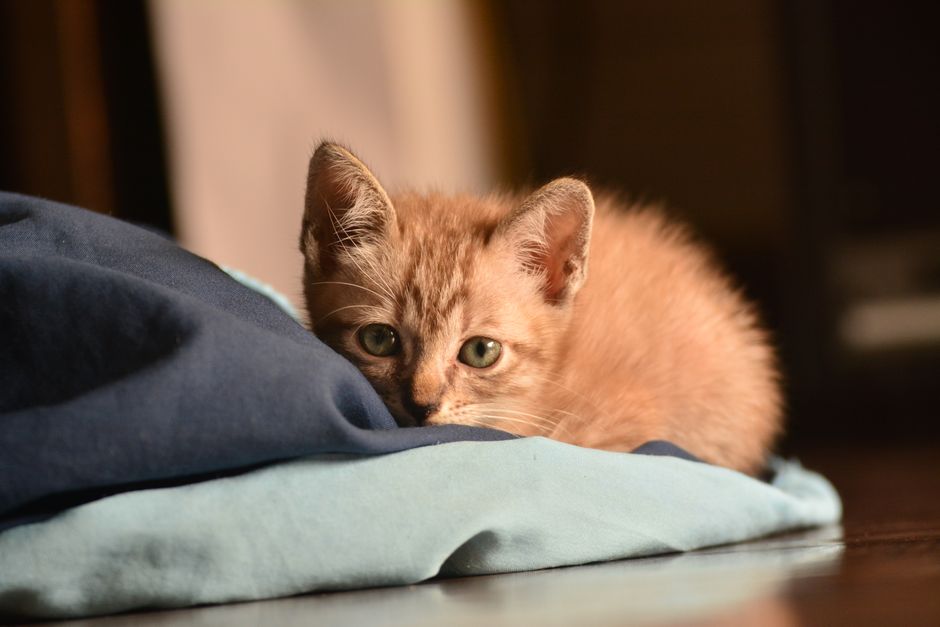
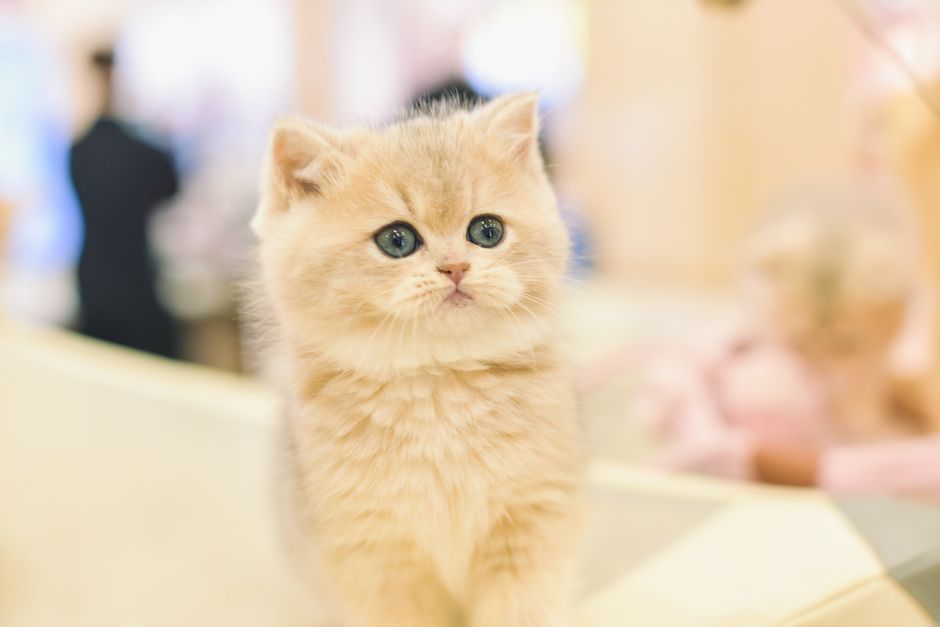
When a mother cat dies, her kittens may turn to each other for comfort. The kittens in this case, four in total, began non-nutritive suckling after losing their mother at two months old. This behavior is a built-in comfort response and can persist in orphaned kittens.
Cross-suckling is more common in kittens that have lost their mother. Rather than trying to stop the behavior outright, a useful approach is to give the kittens a safe outlet. A surrogate mother- a soft plush object fitted with artificial nipples- can redirect the suckling drive while still allowing the kittens to maintain social contact.
Suckling can continue into adulthood, sometimes directed at blankets, clothing, plastics, or even owners. It can also cause irritation or injury, especially around the belly or genital area. Owners should watch for redness, swelling, hair loss, wounds, or difficulty urinating and separate the kittens if needed.
With a purpose-designed nursing surrogate, plenty of play and enrichment, and gentle redirection, kittens may gradually outgrow the behavior or simply keep it as a comfort habit into adulthood.
Key takeaways
- Non-nutritive suckling is a comfort behavior that can persist after a mother’s death.
- Cross-suckling is more likely in orphaned kittens.
- A surrogate mother with artificial nipples can redirect the behavior.
- Suckling around the belly or genital area can cause irritation or injury.
- Safe alternatives, play, and gentle redirection help kittens outgrow the habit.
Ready to bring a cat or kitten home? Browse adoptable cats and kittens on Petfinnly.
Originally reported by Catster. Read the full article.
Cover photo by Hiang Kanjinna via Pexels.