How to Actually Play With Your Cat the Right Way
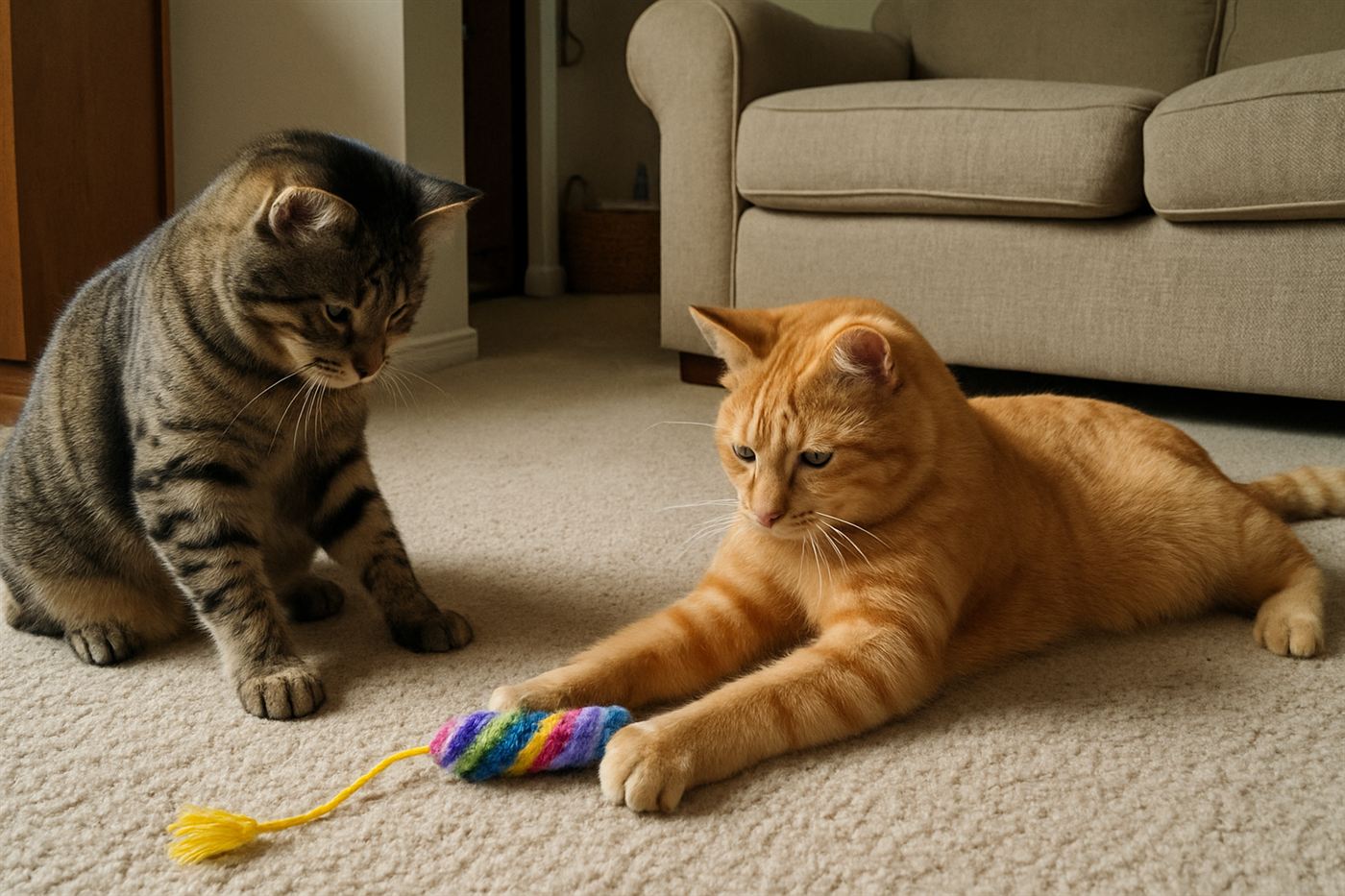
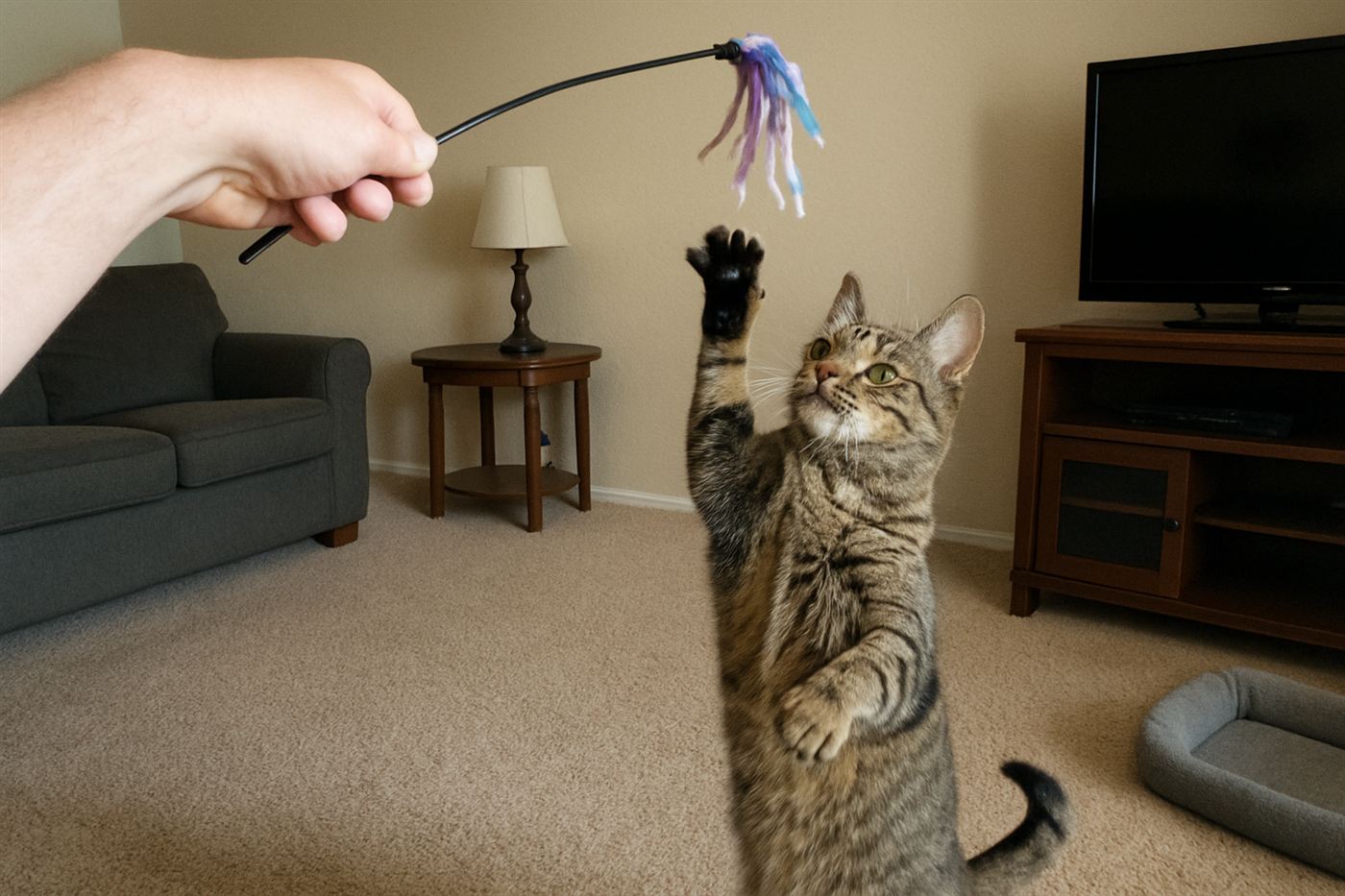
Practical technique for interactive play, how to move a wand toy like real prey, how long sessions should run and how to redirect hands-and-feet biting into a toy.
Saad Khaleeq is Petfinnly's Cats and Kittens Specialist, writing evidence-based cat and kitten care guides for pet owners.
Practical technique for interactive play, how to move a wand toy like real prey, how long sessions should run and how to redirect hands-and-feet biting into a toy.
How to prevent toys from becoming a resource-guarding trigger, why one-on-one sessions matter in multi-cat homes and how to read when a cat is being pushed out of group play.
A cat's nose has around 200 million scent receptors, a second smell organ behind the incisors and a nose print as unique as a fingerprint. Here's how it all works.
A cat's gut is built almost entirely around meat, from stomach acid strong enough to dissolve bone to a liver that can't safely process common human medications.
A cat's brain weighs about 25 to 30 grams but packs in roughly 250 to 300 million cortical neurons. Here's a tour of the cerebrum, cerebellum, brainstem and olfactory bulb.
The story of a cut sleeve and a sleeping cat still shapes how millions of people treat cats today, and it's rooted in real Islamic tradition and history.
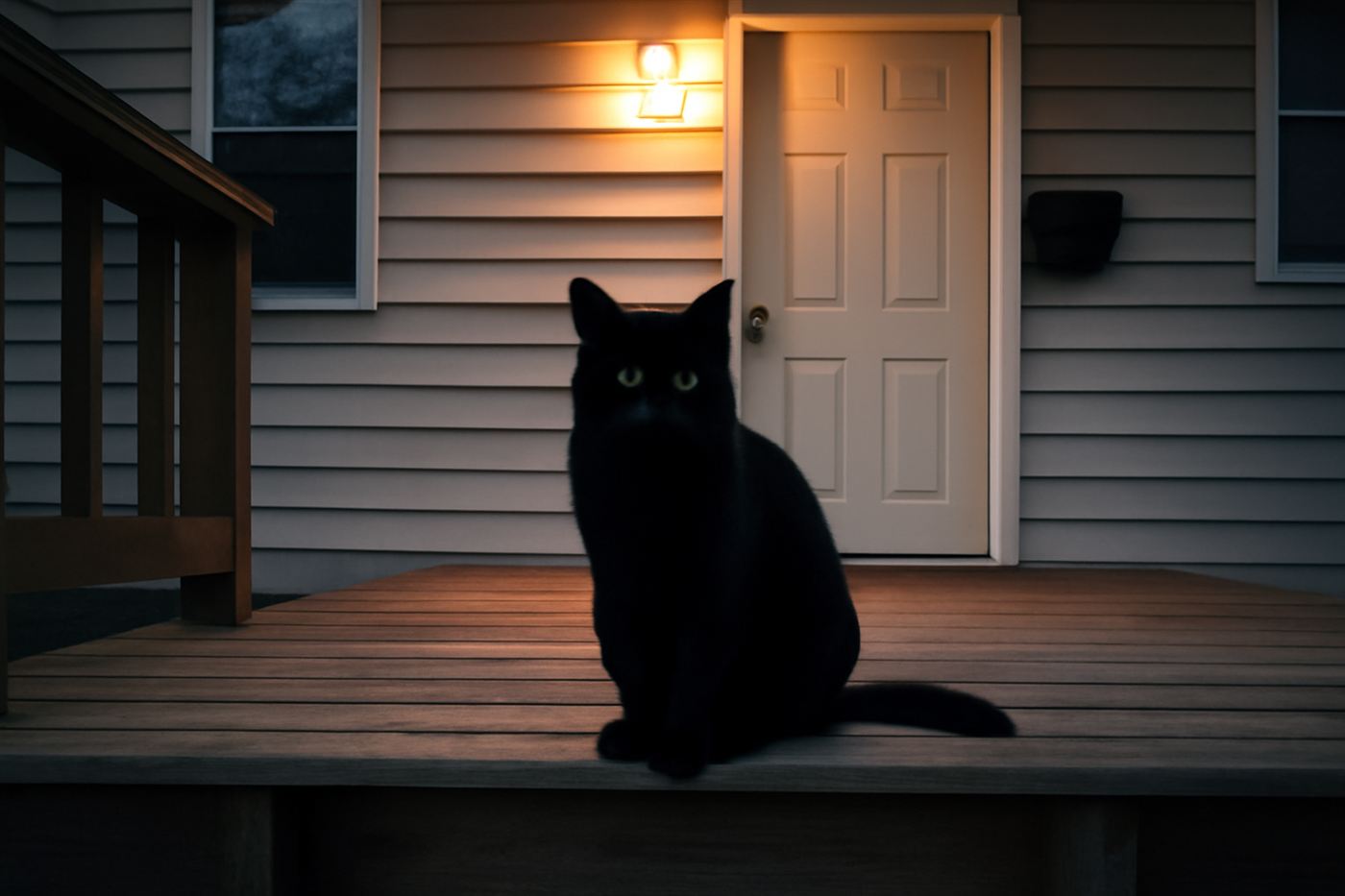
Black cat superstitions trace back to a specific medieval panic, and shelters still see the real-world effects of that history play out today.
Boarding prices swing wildly between facilities, and the gap almost always comes down to a specific, predictable set of factors.
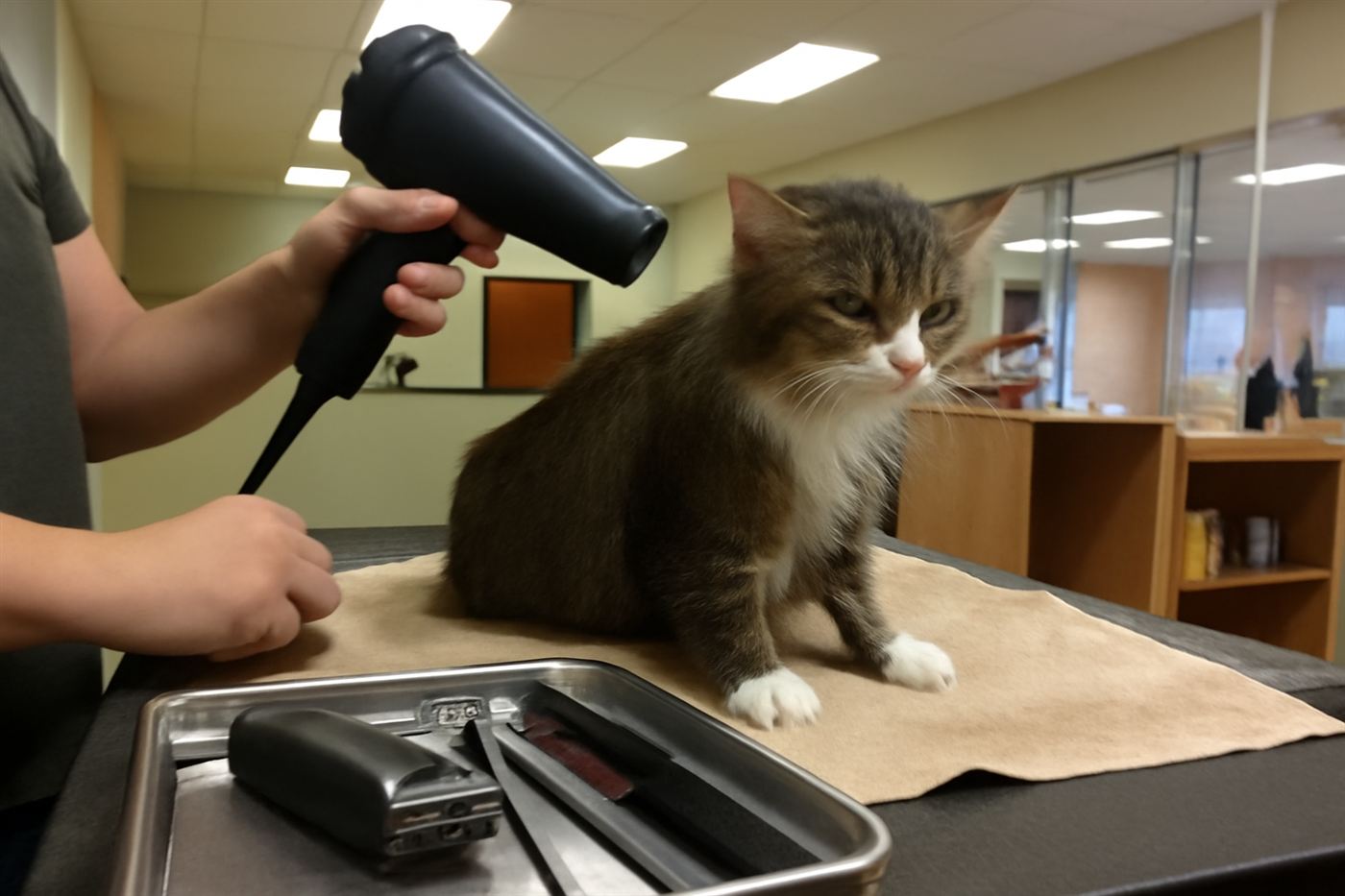
From the intake check to the bath, blow dry, nail trim and the lion cut, here's a real step by step look at what a cat grooming appointment actually involves.
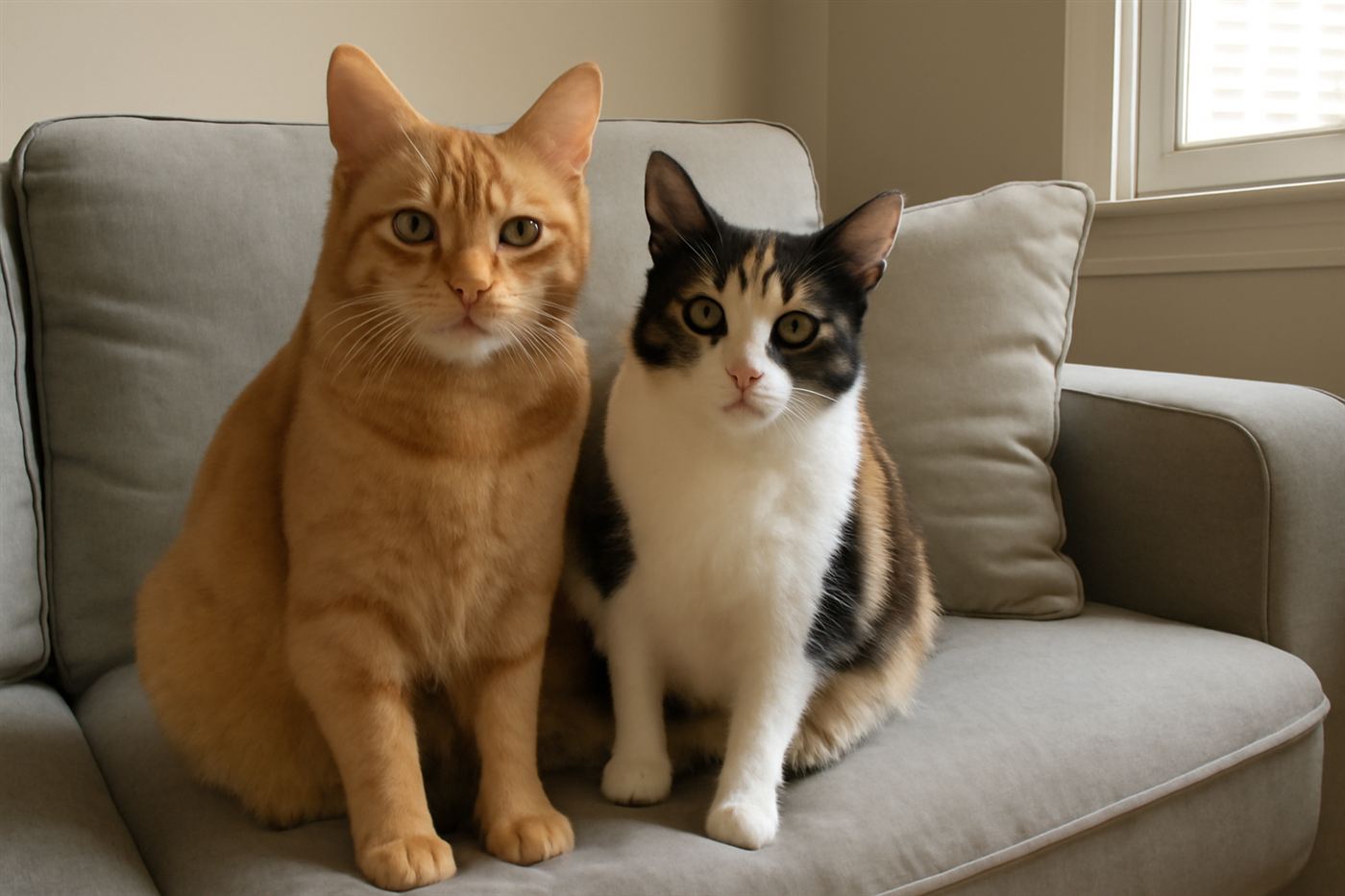
The X chromosome explains why orange cats skew heavily male, and why calico and tortoiseshell cats are almost always female, extra X chromosome and all.
Cheek swab DNA tests can flag breed ancestry and known disease mutations in cats, but they genuinely can't predict everything about a cat's future health.
The "cats always land on their feet" myth comes from a real reflex built on inner ear balance and an ultra-flexible spine, but it isn't foolproof.