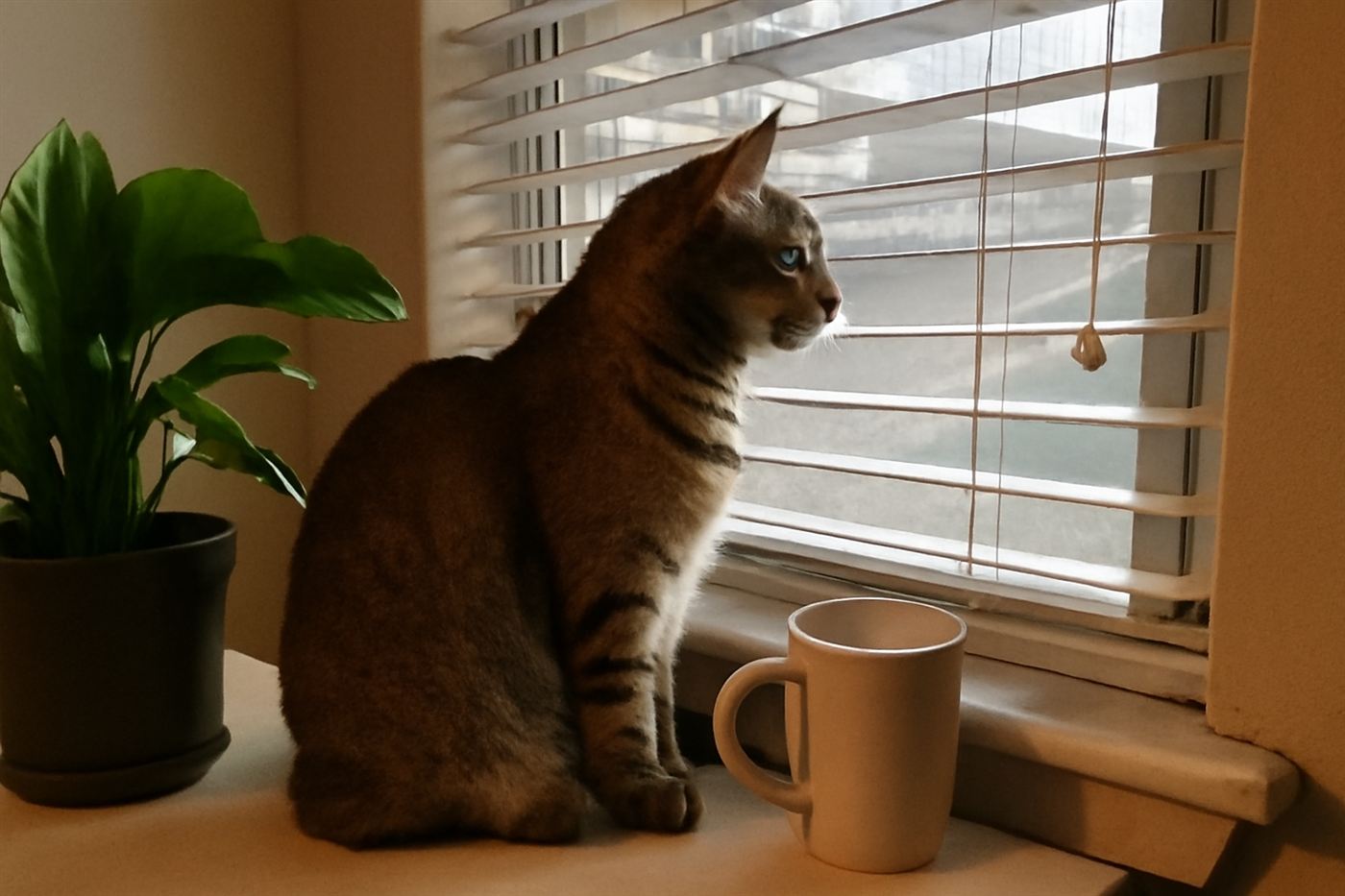
Do Cats Actually Remember Things? What We Know About Feline Memory
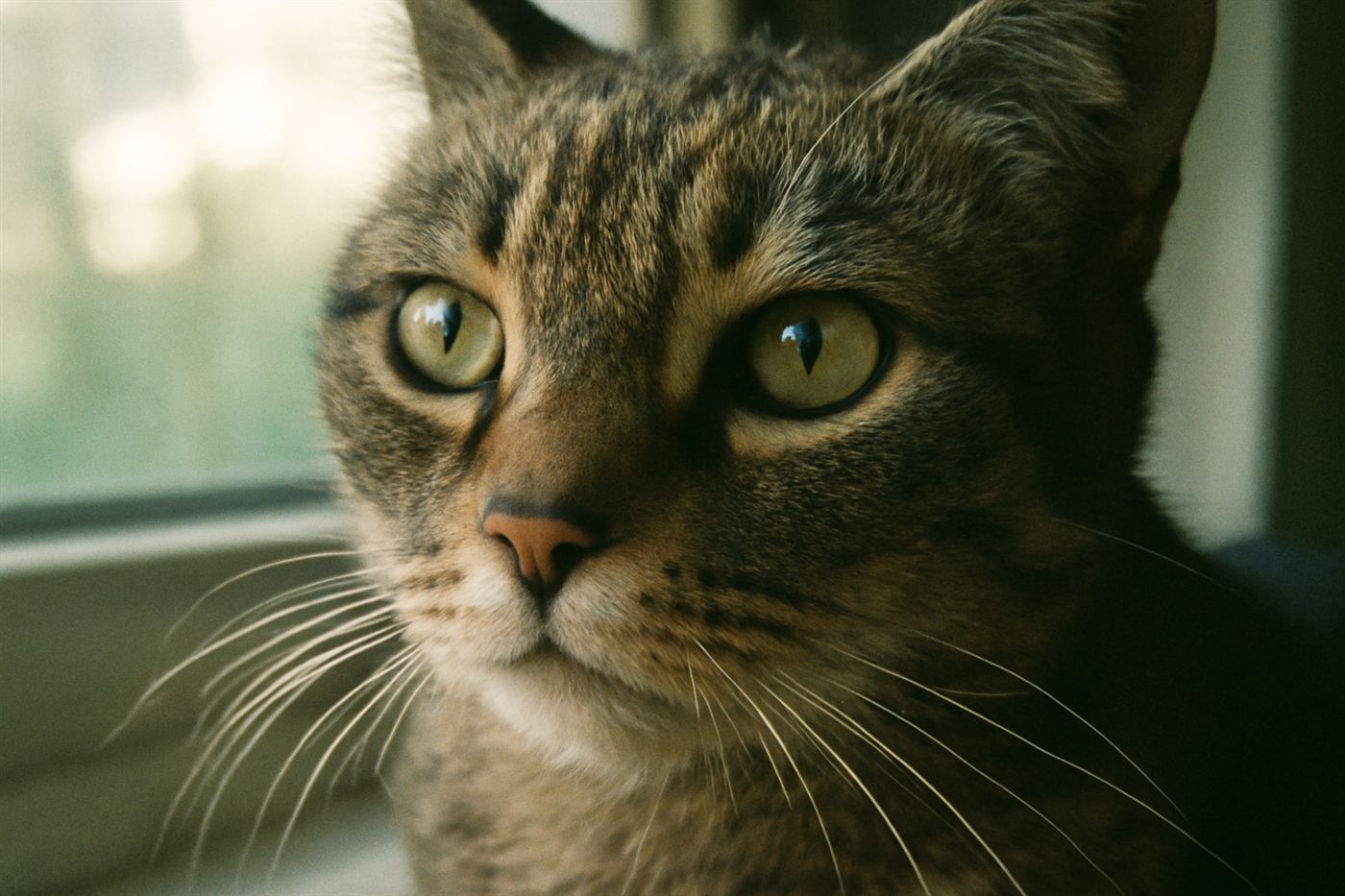
Cats hold onto memories of people, places and bad experiences for years, and that memory is a big part of why routine matters so much to them.
Saad Khaleeq is Petfinnly's Cats and Kittens Specialist, writing evidence-based cat and kitten care guides for pet owners.
Cats hold onto memories of people, places and bad experiences for years, and that memory is a big part of why routine matters so much to them.
Cats aren't colorblind, they see a real but narrower slice of color than we do, and it's not the palette you'd expect.
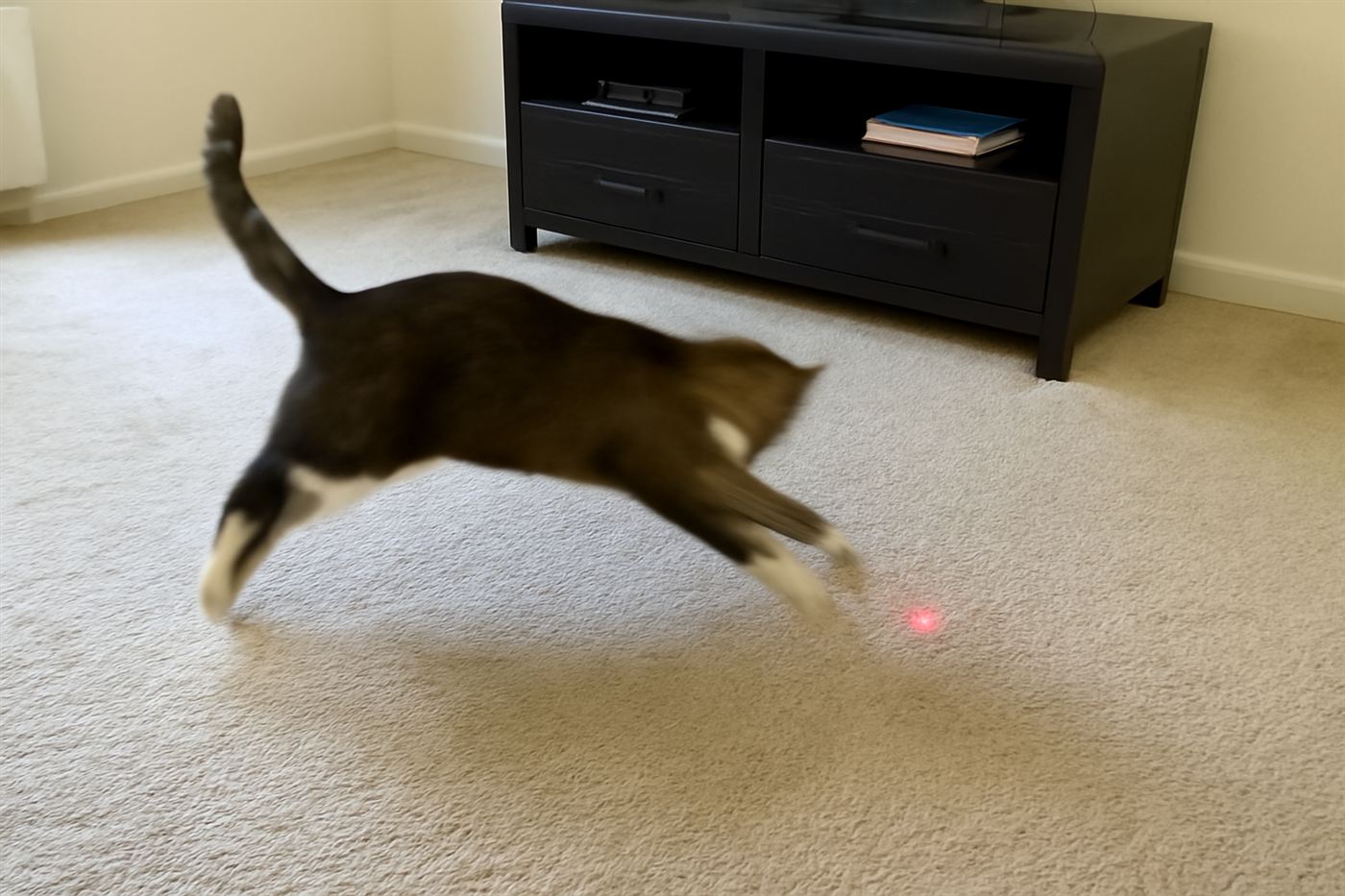
Cats catch flickers and twitches that slide right past human eyes, and it's the same wiring that makes laser pointers so irresistible.
It started with one Abyssinian named Cinnamon, and her sequenced DNA has quietly reshaped what we know about cat health and history.
Cats spread across the globe not by walking, but by riding along on trading ships as rat control for thousands of years.
Cat food went from table scraps to a taurine crisis to a tens of billions of dollar global industry in less than a century.
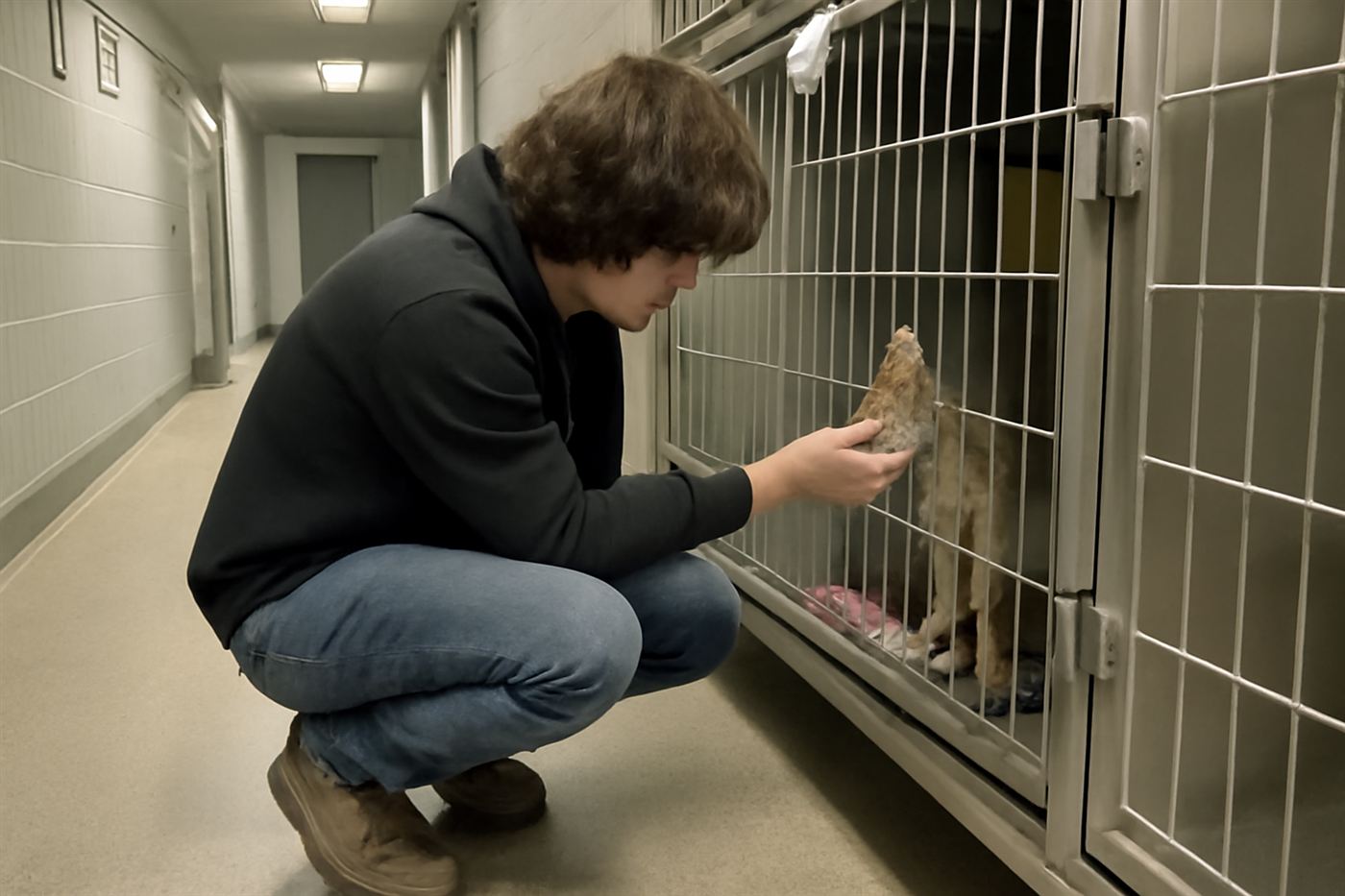
Getting a cat in America used to mean a free kitten from a neighbor, now shelter adoption is the normalized default.
A cat that suddenly can't use its back legs is almost always dealing with a blood clot, not a leg injury, and it traces straight back to the heart.
A dragging or knuckling front leg after a fall often isn't a broken bone. It's nerve damage, and the severity of that damage decides the whole outlook.
Cats are so good at hiding a slipping kneecap that many cases are only found by accident, even though it's graded on the same scale used in dogs.
Episodes of sudden leg weakness and a drooping head in a young Burmese cat trace back to a single identified gene, and it responds well to treatment.
Muscle meat alone is badly short on calcium, and a kitten's fast-growing skeleton pays the price first, sometimes with fractures from a routine jump.