Ear Infections in Cats: Mites, Bacteria, and Yeast, and How to Tell Them Apart
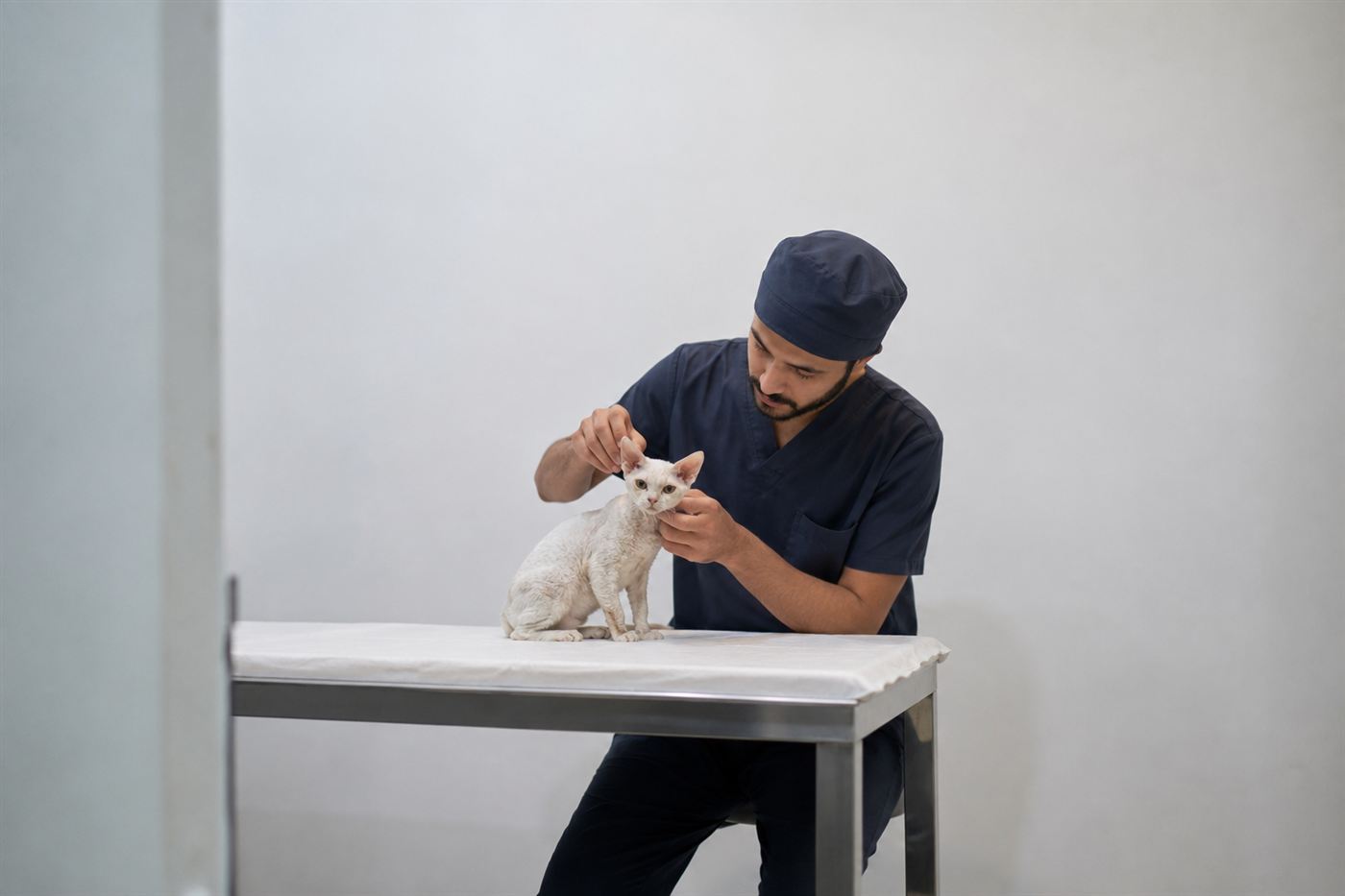
Head shaking and scratching can point to mites, bacteria, or yeast, and they can look similar enough that guessing at home usually isn't reliable.
Saad Khaleeq is Petfinnly's Cats and Kittens Specialist, writing evidence-based cat and kitten care guides for pet owners.
Head shaking and scratching can point to mites, bacteria, or yeast, and they can look similar enough that guessing at home usually isn't reliable.
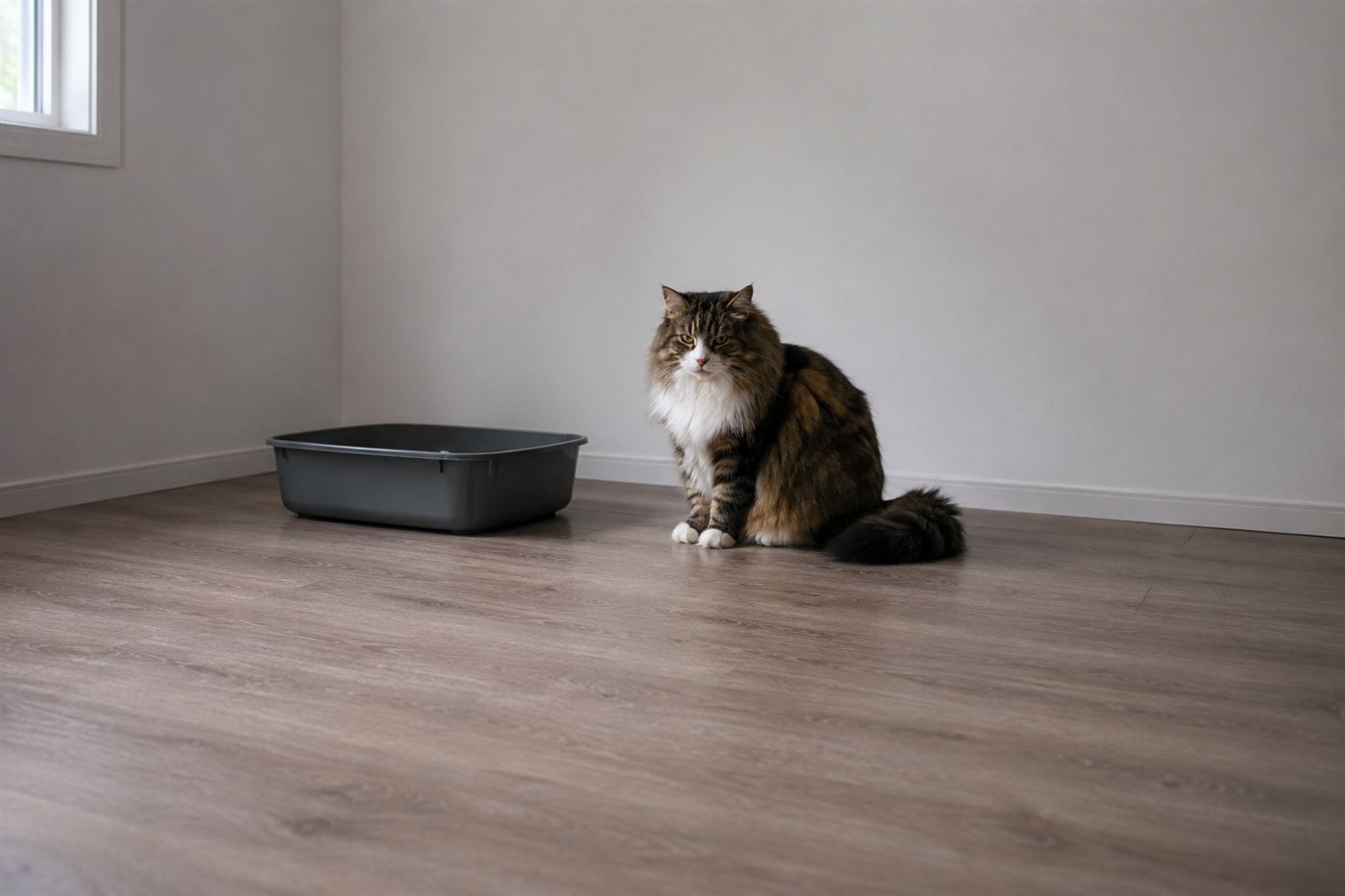
Straining in the litter box with little coming out looks minor. In a male cat, it can be a blocked urethra, a genuine emergency that can turn fatal within days.
Panleukopenia is rare in vaccinated cats for good reason: even with treatment, mortality in unvaccinated kittens can run as high as 50 to 90 percent.
A cat's own immune system can turn dramatically against its mouth. For many cats, removing the teeth isn't a last resort, it's the treatment that actually works.
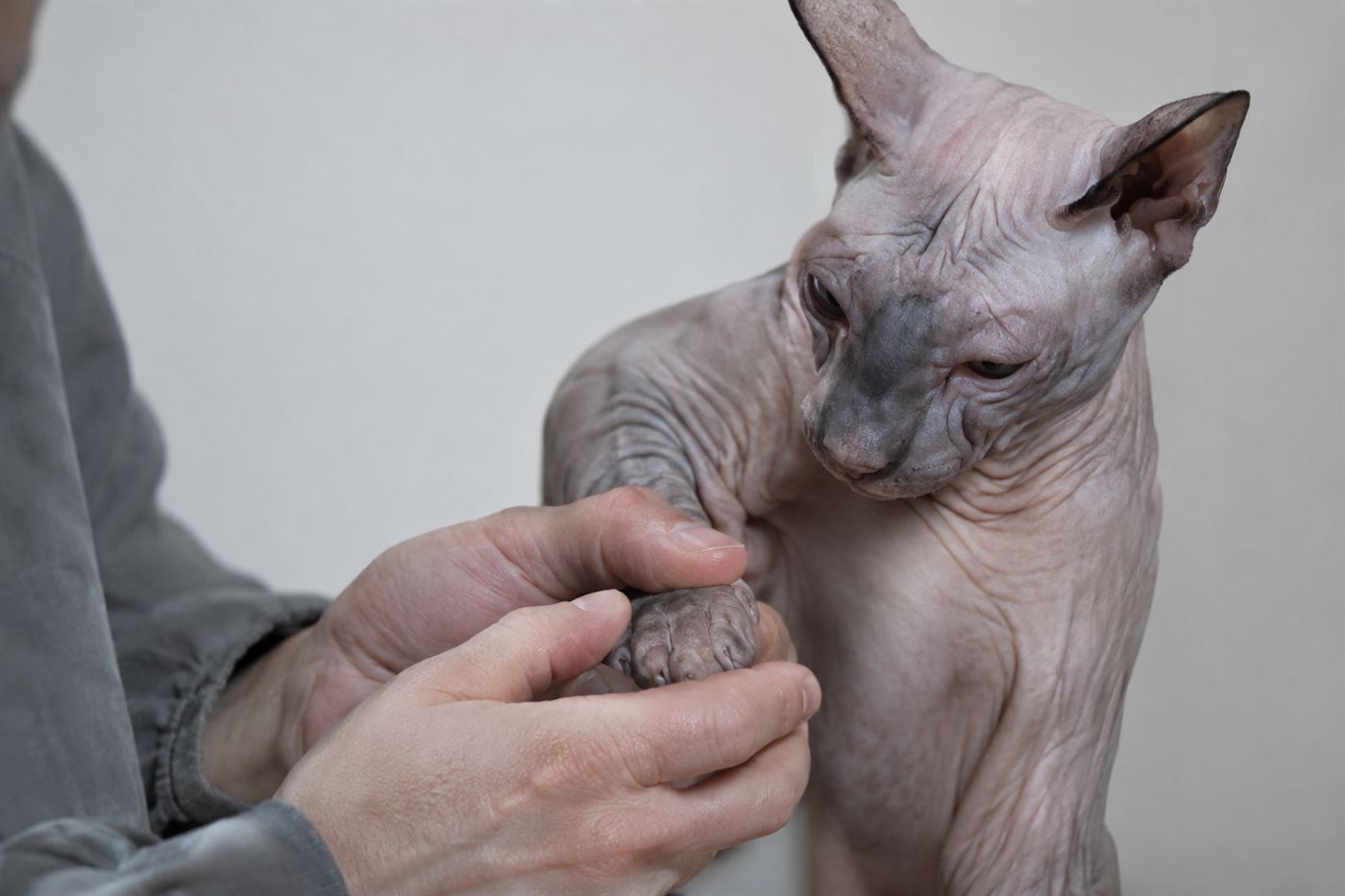
Despite the name, ringworm is a fungal infection, not a parasite, and in cats it often shows up first on the paws and claws before spreading further.
When a cat's paw pad turns soft, puffy, and purple instead of firm, it's a specific immune-mediated condition with a real, if incomplete, medical explanation.
A small puncture from a fight can seal over and quietly turn into a swollen, painful abscess days later. Here's why it happens and what treatment involves.
A cat dropping down to walk flat-footed instead of up on its toes is showing a recognized, and often reversible, complication of uncontrolled diabetes.
Studies suggest most senior cats have some degree of joint disease, yet only a small fraction ever actually limp. Here's what to watch for instead.
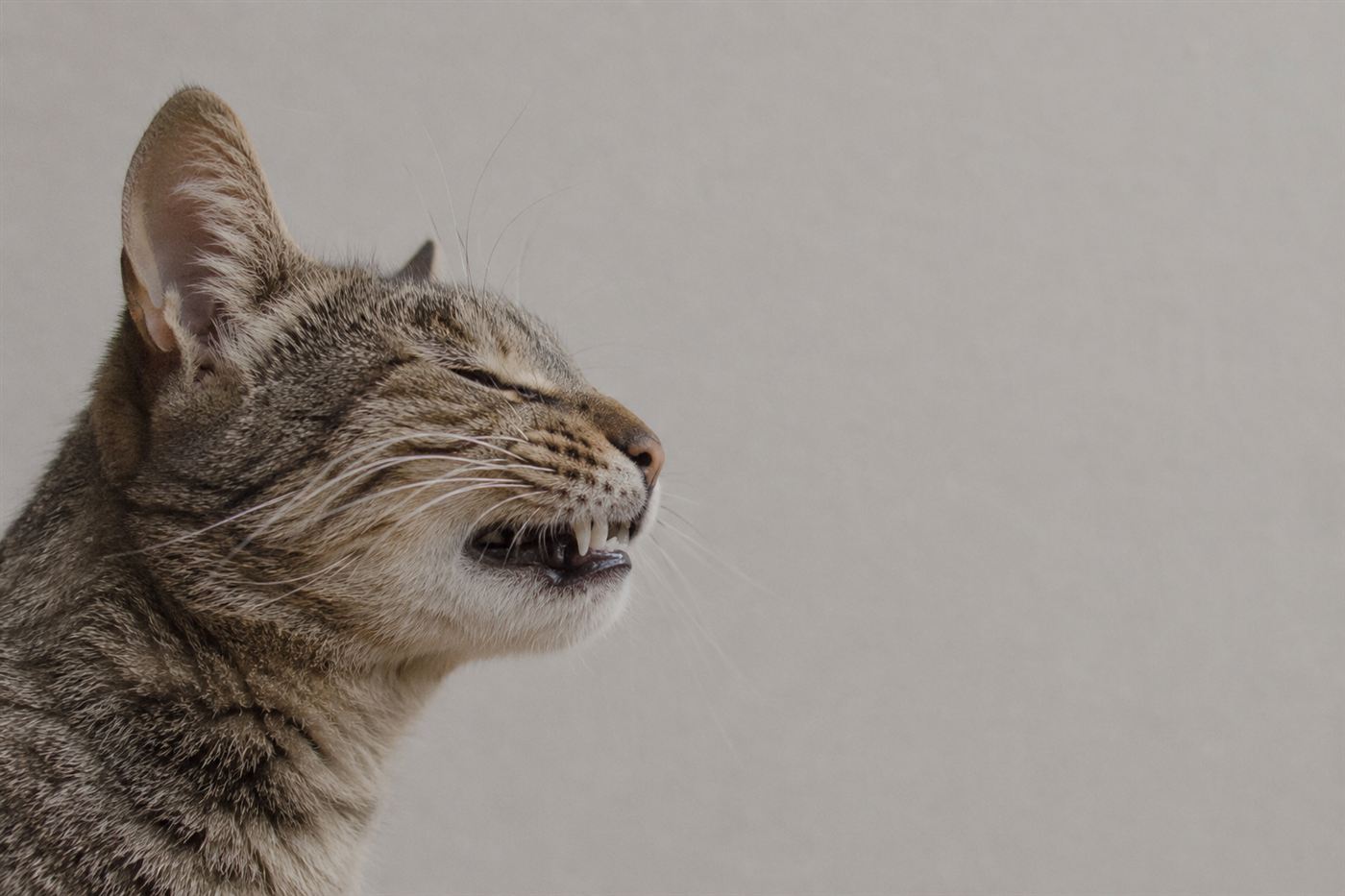
The open-mouthed grimace a cat makes after sniffing something interesting isn't disgust. It's a second scent organ at work, and it's been documented since the 1970s.
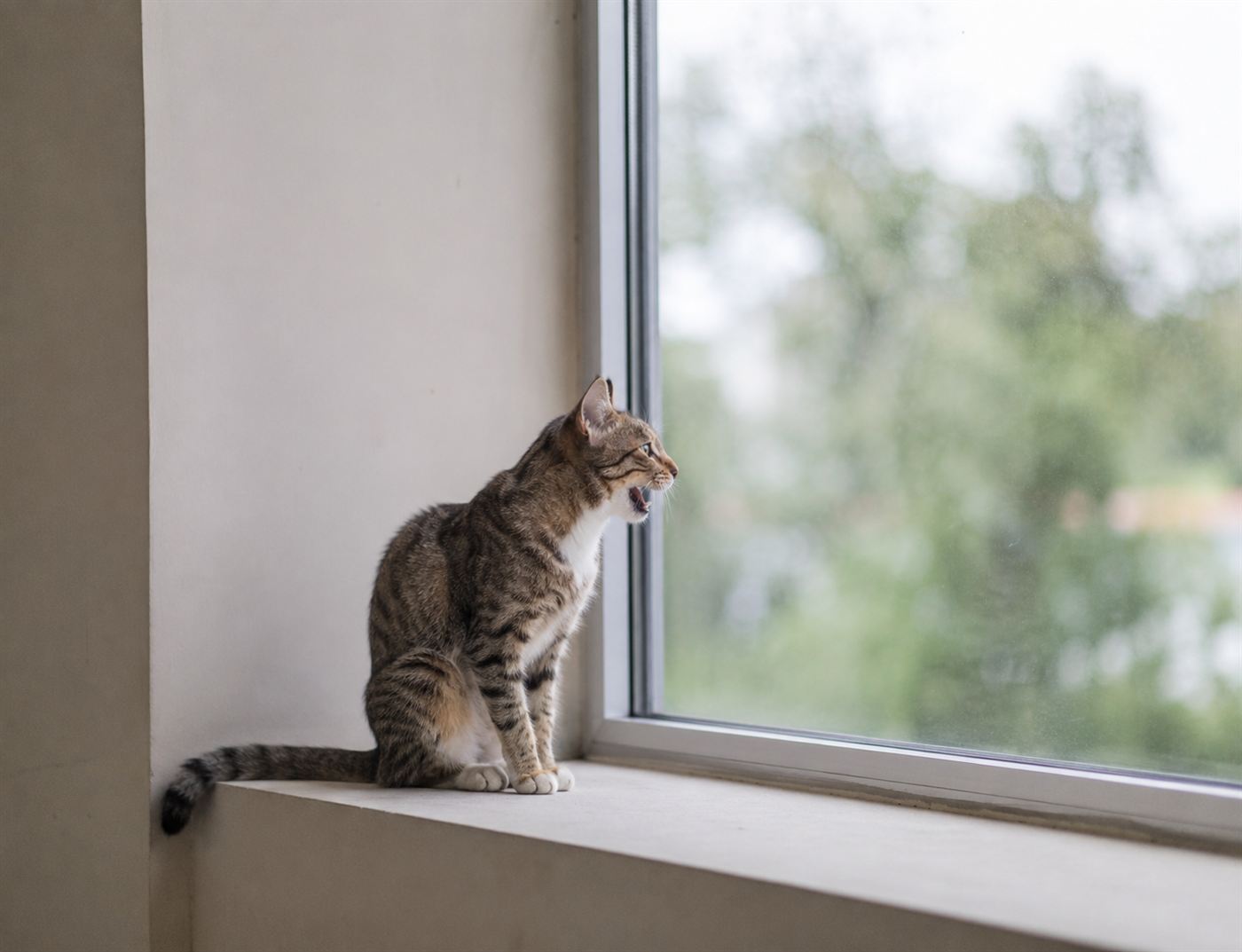
That rapid jaw-clicking at the window has a few competing explanations, from frustrated hunting instinct to a documented case of prey mimicry in a wild relative.
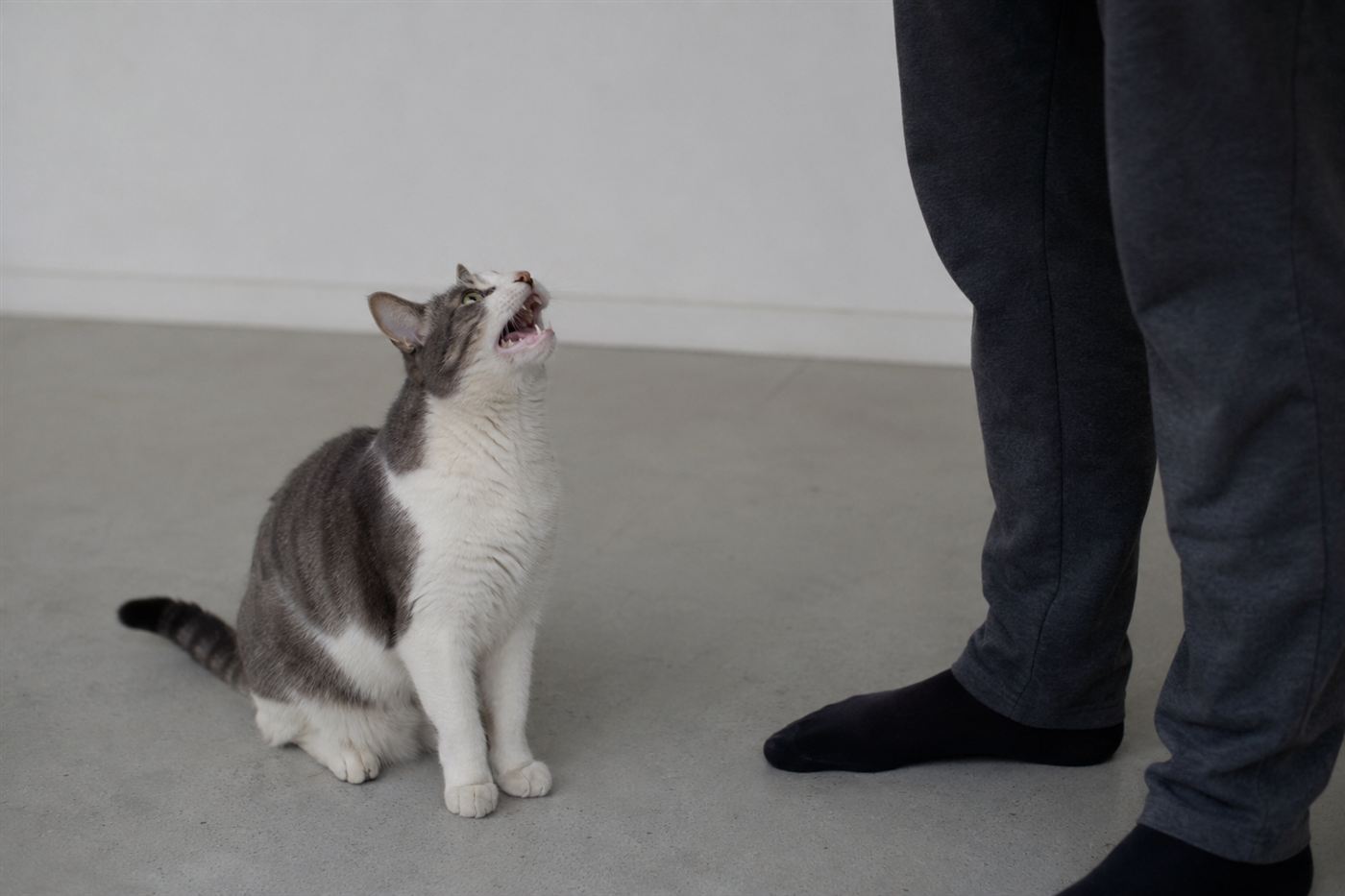
Adult cats rarely meow at other cats. The meow is largely a human-directed sound, and the research behind that finding goes back to a 2002 Cornell study.