Pain-Induced Aggression in Cats: When Hurting Means Biting
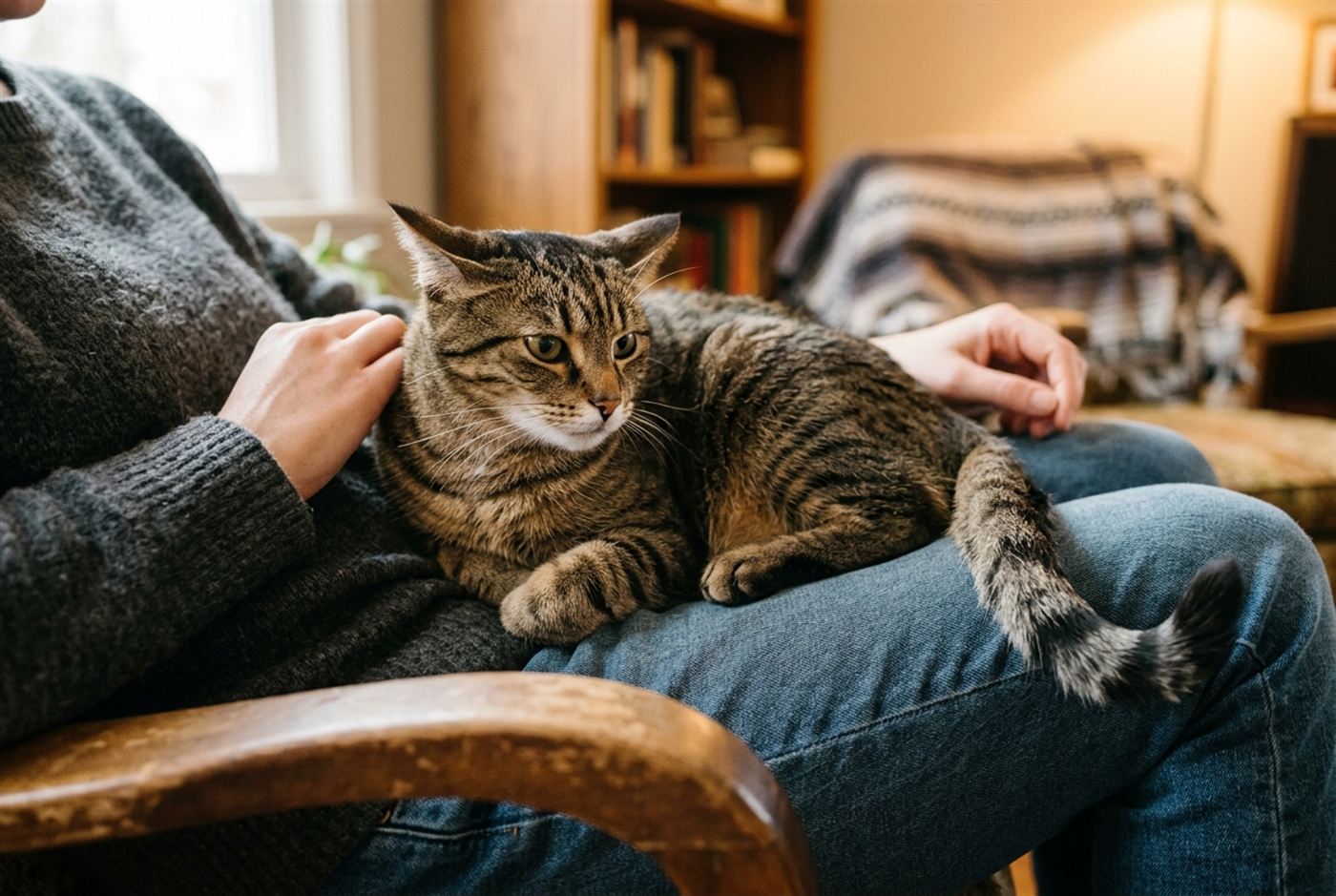
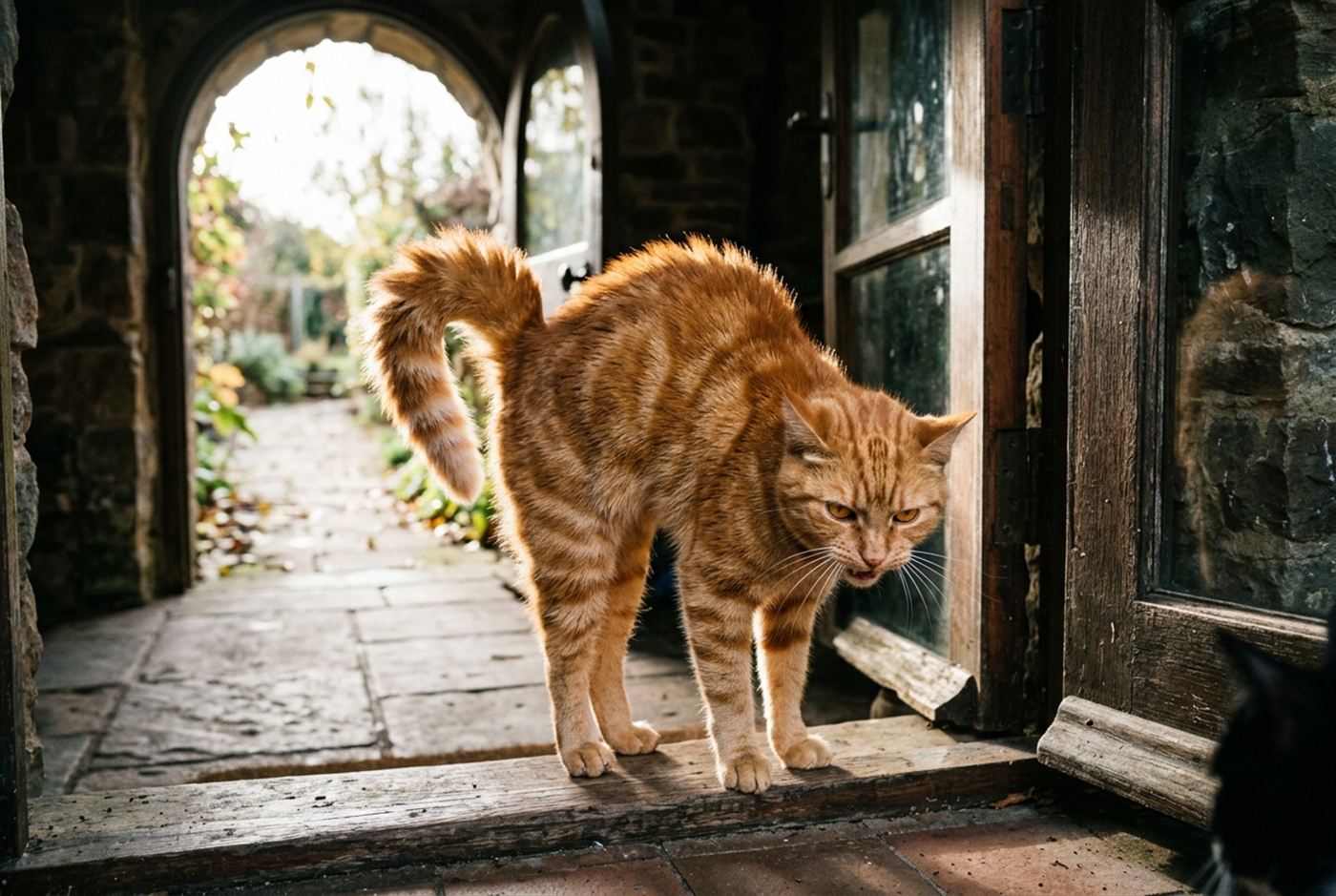
You reach down to give your ten-year-old tabby his favorite scratch right at the base of his tail. Instead of the usual purr, he whips around, ears pinned flat and nails your hand hard enough to break the skin. You pull back bleeding and confused while he bolts under the bed. Your cat isn't turning mean or holding a grudge. You just triggered pain-induced aggression and he reacted the only way he could to protect himself.
Why they hide the hurt until they snap
Cats evolved as both predators and prey in the wild, which means showing weakness gets you killed. They mask physical discomfort incredibly well. A cat walking around with a massive tooth abscess will still crunch dry food like nothing is wrong. You won't know they are hurting until you accidentally touch the sore spot or push them past their breaking point.
Think of it like walking around with a twisted ankle you're trying to hide. You can limp along and fake a smile for hours. But if someone suddenly slaps you on the back and knocks you off balance onto that bad ankle, you're going to scream and shove them away. That sudden, fierce reaction is exactly what your cat is doing when they lash out.
What usually causes the pain
The list of hidden ailments is long, but a few usual suspects hit cats the hardest. Dental disease is massive. Periodontal infections and resorptive lesions eat away at their teeth below the gumline. You go to pet their cheek and you inadvertently press on an inflamed nerve, resulting in a swift bite.
Arthritis is another major trigger, especially in older cats. Their hips, knees, or spine get stiff and achy. When you pick them up or stroke their lower back, the sudden pressure causes a jolt of sharp pain. UTIs, kidney issues and hidden abscesses from old fights also keep cats keyed up and ready to strike if you get too close. According to the Petfinnly's research, dental disease was the underlying cause identified in nearly half of the pain-aggression cases behavior consultants reviewed for cats over age seven.
Spotting pain aggression versus other types
Pain aggression has a distinct flavor. It usually happens suddenly in a cat that otherwise loves attention. There's no long buildup of stalking or posturing like you see in territorial disputes. One second you're petting them and the next second they've attacked and immediately retreated to hide.
You might also notice them flinching or skin rippling when you touch a specific area. Their overall mood might shift to being more reclusive. If the sweet cat you've known for six years suddenly turns vicious every time you brush their lower back, you aren't dealing with a new personality trait. You are dealing with a medical problem.
What you need to do right now
Back off immediately and don't try to discipline the cat. They are acting out of pure self-preservation and won't understand why you are mad. Give them space to cool down and get their adrenaline under control. Then, you need to call your vet.
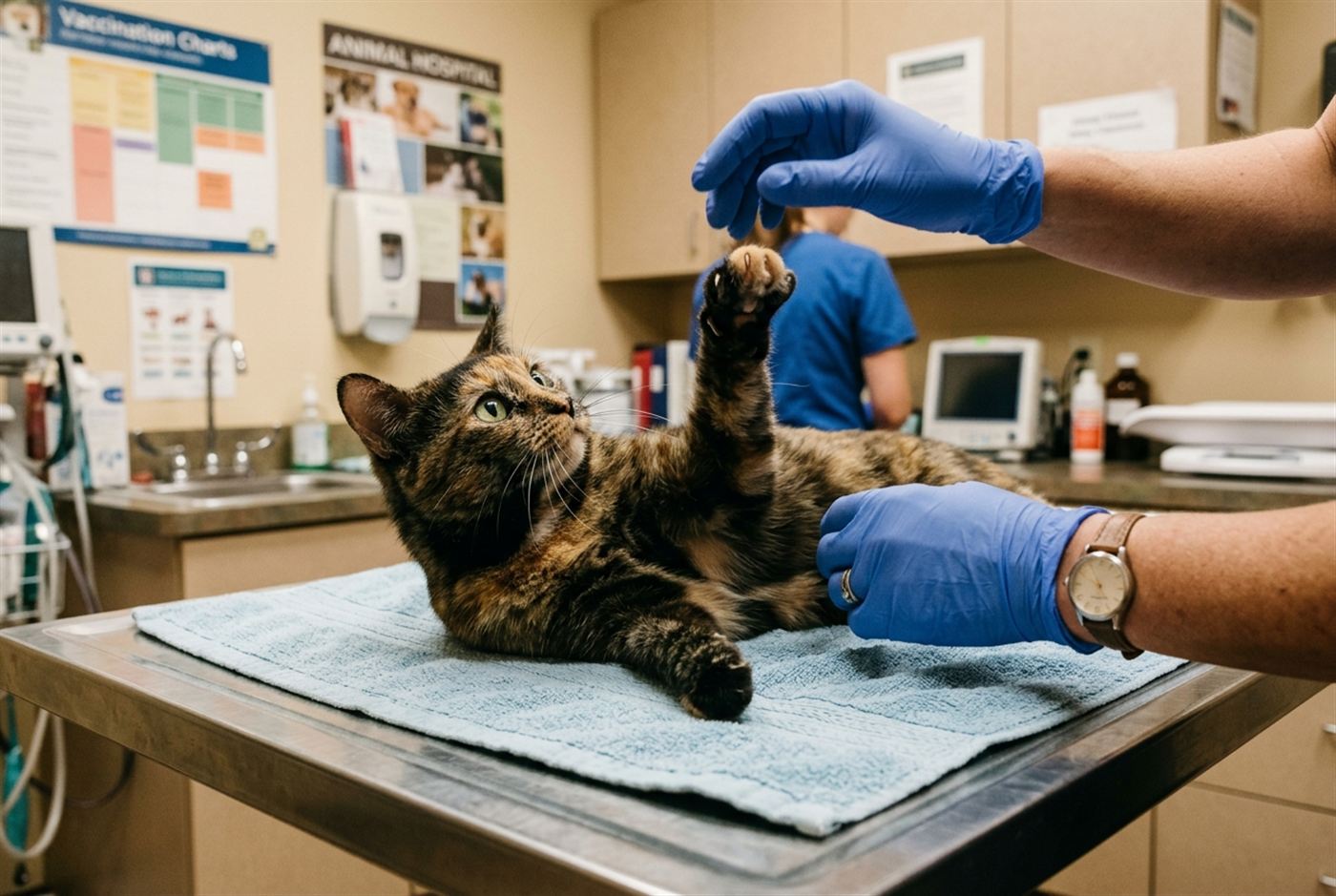
Getting them checked out is non-negotiable. Vets will often prescribe gabapentin before the visit to take the edge off the pain and anxiety so they can actually do a proper exam. Once the underlying medical issue is treated, whether that's extracting a rotten tooth or starting a joint supplement plan, the aggression usually vanishes entirely.
Common pain triggers and signs
| Condition | Where it hurts | Subtle signs to watch for | How they react to touch |
|---|---|---|---|
| Arthritis | Lower back, hips, knees | Reluctance to jump up | Snapping when picked up |
| Dental disease | Mouth, jaw, cheeks | Dropping kibble while eating | Biting when you rub their face |
| UTIs | Bladder, lower abdomen | Frequent trips to the litter box | Lashing out when belly is touched |
| Abscesses | Anywhere (often neck/tail) | Small lumps or scabs | Sudden hissing if you brush the spot |
Frequently asked questions
Does this mean my cat hates me now?
No. Your cat is just reacting defensively to sudden pain. Once the medical issue is resolved, they will go back to being their normal, affectionate self.
Should I wear gloves to pet them?
Don't pet them if you know it causes them pain. Getting thick gloves just protects you while you continue to hurt them, which will only make the aggression worse and damage your bond.
Can young cats get pain aggression too?
Yeah. While arthritis hits older cats, younger cats can easily get bite wound abscesses, urinary crystals, or sports injuries from a bad fall. Age doesn't rule out pain.
How do I get them into the carrier if they're aggressive?
Talk to your vet about picking up a pre-visit sedative like gabapentin. Mix it into a tiny spoonful of wet food, wait a couple of hours for them to get sleepy and then gently wrap them in a thick towel.
Will the aggression stop instantly after seeing the vet?
Usually, yes, but it depends on the treatment. A pulled tooth will take a few days to heal, so they might still be sore and cranky until the inflammation fully subsides.
This article is for general information and isn't a substitute for advice from your own veterinarian or a certified feline behaviorist, who can properly evaluate aggressive behavior in your specific cat.