Status Aggression in Cats: When Your Cat Thinks They're in Charge
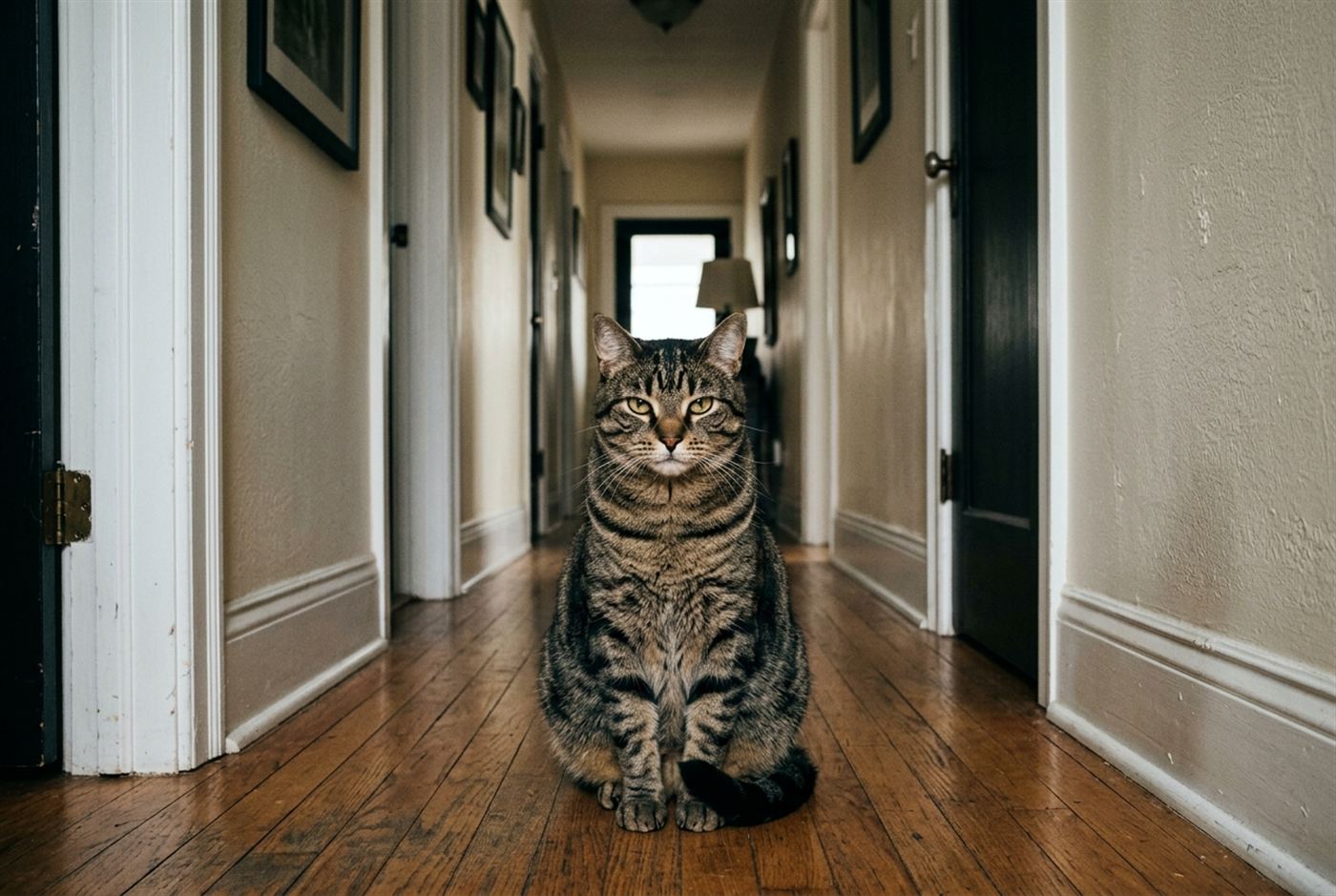
You try to walk down the hallway to your bedroom, but your big tabby is sitting dead center, staring you down. When you try to step over him, he lunges and bites your calf. Later, when you push him off the kitchen counter, he hisses and swipes at your face. Your cat isn't just acting out randomly. They are using status aggression to control the environment and bully you into giving them exactly what they want.
Why they act like they own the place
Cats don't adhere to a strict wolf-pack hierarchy with an alpha and subordinates. The whole concept of dominance doesn't really apply to them the way it does to dogs. Instead, status aggression is about resource control. The cat has learned that intimidation works. If they bite you, you drop the food bowl faster. If they block the hallway, you walk around them.
Think of it like a spoiled teenager who has learned that throwing a tantrum gets them the car keys. The cat feels confident and assertive and they use aggression to manage situations where they feel their access to resources (like food, space, or even your attention) is being challenged.
The tactics they use to intimidate you
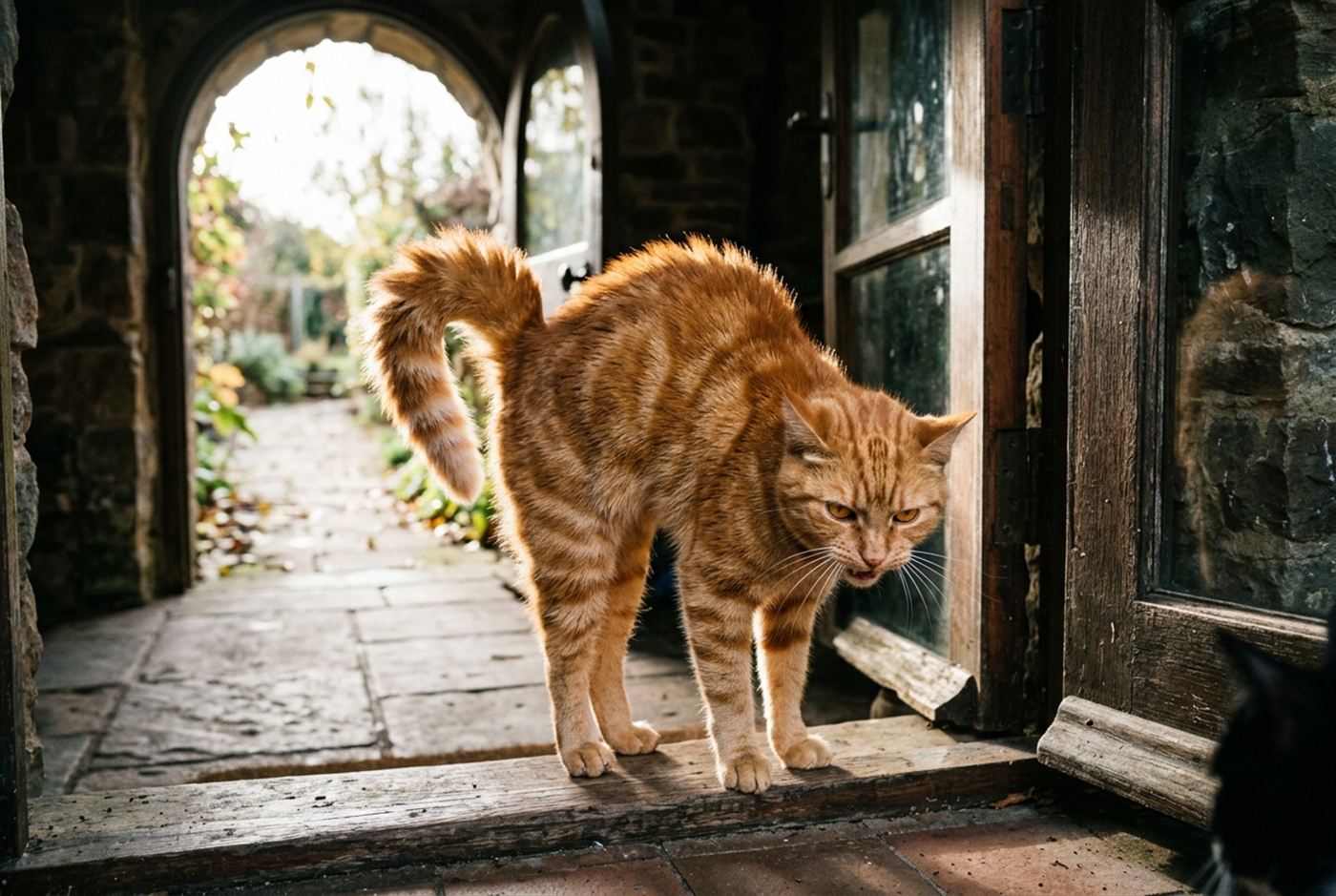
Status aggression looks remarkably purposeful. The cat won't hide or cower. They will actively block doorways or claim high-traffic areas like the middle of the stairs. If you try to move them, they will stiffen up, stare you directly in the eyes and lash out. They might also bite hard if you try to stop them from doing something they enjoy, like chewing on a plant.
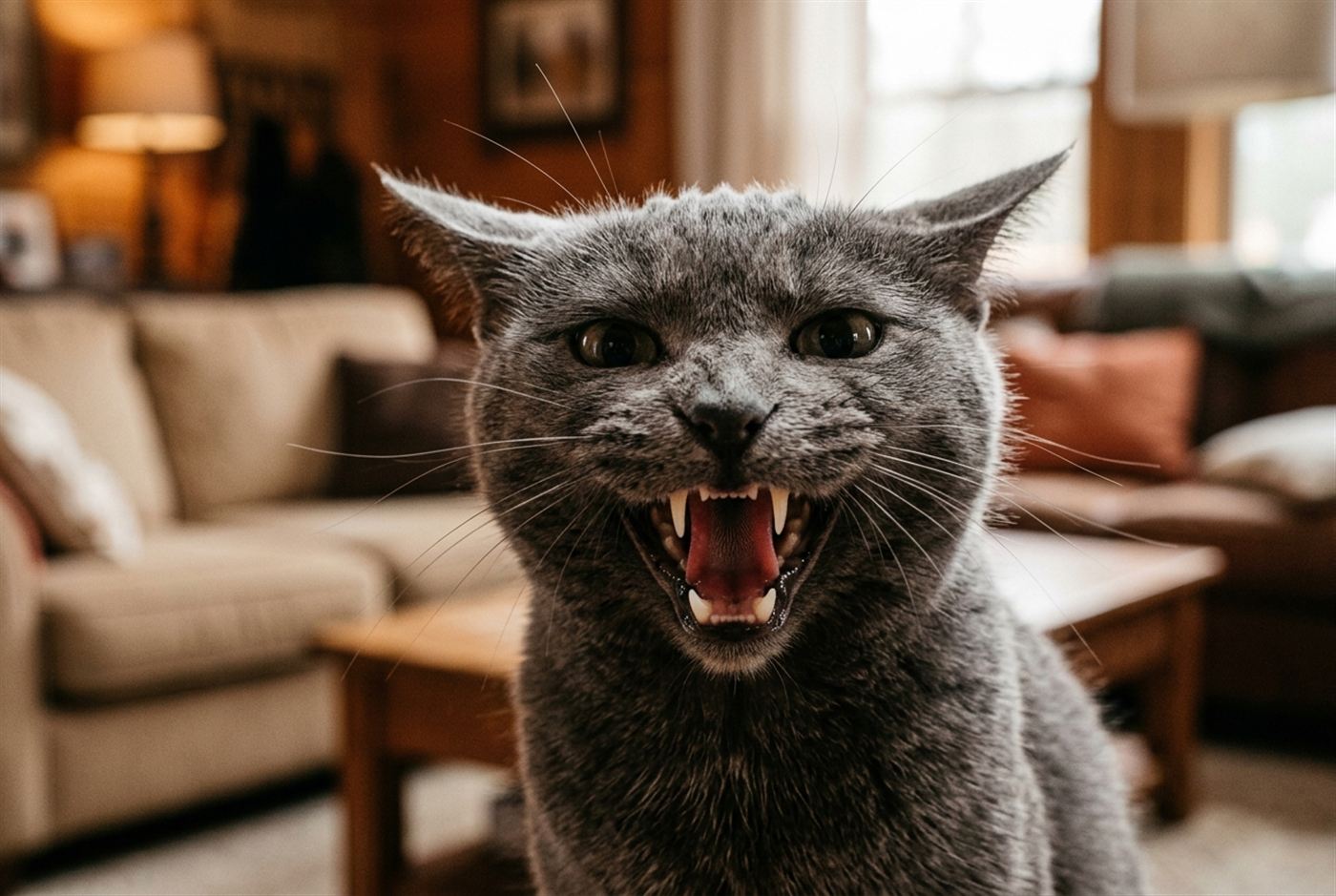
Another classic sign is demanding behavior around food. They don't just meow; they scream, swat at your legs and actively try to force you to serve them faster. It is a highly confident form of aggression. They aren't scared of you; they are trying to manage your behavior through force. According to the Petfinnly's research, food-related demand aggression was the single most reported status-aggression trigger among the behavior cases shelters logged last year.
The mistake of fighting back
The worst thing you can do is try to physically dominate the cat back. If you try to pin them down, yell, or hit them, you are just validating their belief that the relationship is combative. They won't back down; they will escalate. You end up in a physical battle with an animal that has needles on its feet and you destroy whatever trust is left.
You can't punish status aggression out of a cat. You have to remove the reward they get from the behavior. If biting you makes you put the food down, they win. You have to rewrite the rules of engagement so that intimidation no longer gets them the resources they want.
How to rewrite the rules
You have to implement a strict "nothing in life is free" protocol. The cat only gets what they want when they are calm. If they attack your legs while you prep their food, you leave the kitchen. The food prep stops entirely until they settle down. You have to be more stubborn than they are.
For spatial blocking, don't step over them and don't physically push them. Carry a cushion or a large piece of cardboard and gently bulldoze them out of the way without touching them with your hands, or simply walk through them shuffling your feet so they are forced to move. Once they realize that violence doesn't earn them control, the status aggression fades.
Tactics for taking back control
| What the cat does | What you usually do (The Mistake) | What you should do instead |
|---|---|---|
| Blocks the hallway | Walk around them or step over | Shuffle through them forcing them to move |
| Bites when pushed off counters | Yell and shove them | Calmly remove them or use a deterrent mat |
| Swats during food prep | Put the bowl down faster | Walk away until they stop the demands |
| Attacks when told "no" | Try to physically discipline them | Redirect their energy to a wand toy |
Frequently asked questions
Does this mean my cat is just mean?
No. They are just highly confident and have learned a bad habit. They figured out that aggression gets results and they will keep using it until it stops working.
Why does this mostly happen with confident cats?
Fearful cats use aggression to create distance and protect themselves. Confident cats use it to exert control and get what they want. It requires a baseline level of boldness to bully a human.
Will getting another cat humble them?
Usually, no. Throwing another cat into the mix when one is already displaying status aggression often just leads to severe cat-to-cat bullying and more stress for everyone.
How long does it take to fix this?
It takes weeks or even months of absolute consistency. If you give in and reward the bad behavior even once, you reset the clock.
Should I use a spray bottle to discipline them?
No. A spray bottle is just a challenge to a confident cat. They will either ignore it, get more aggressive, or just wait to misbehave when you don't have the bottle handy.
This article is for general information and isn't a substitute for advice from your own veterinarian or a certified feline behaviorist, who can properly evaluate aggressive behavior in your specific cat.