Why Do Cats Play? The Real Science Behind Play Behavior
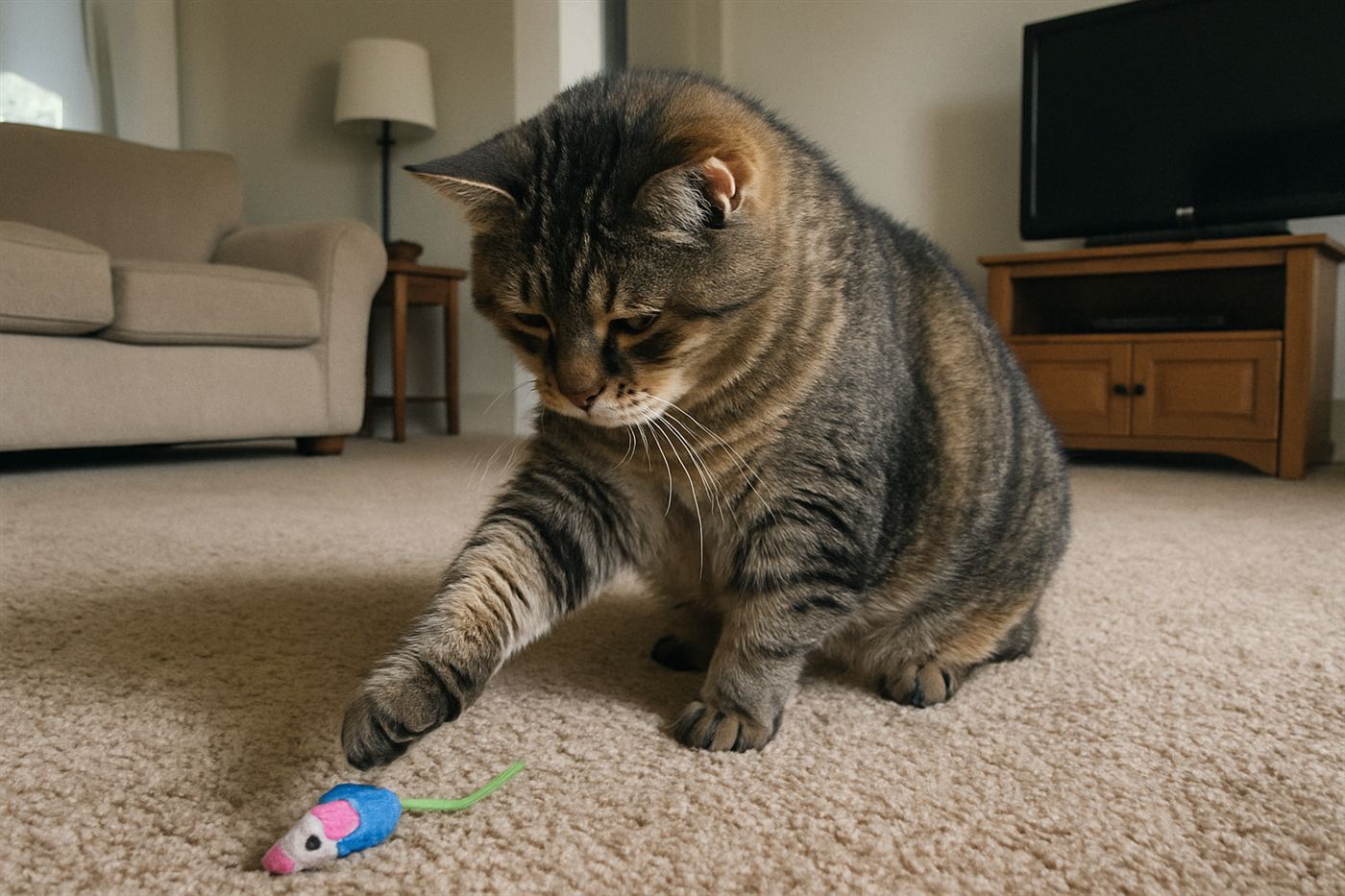
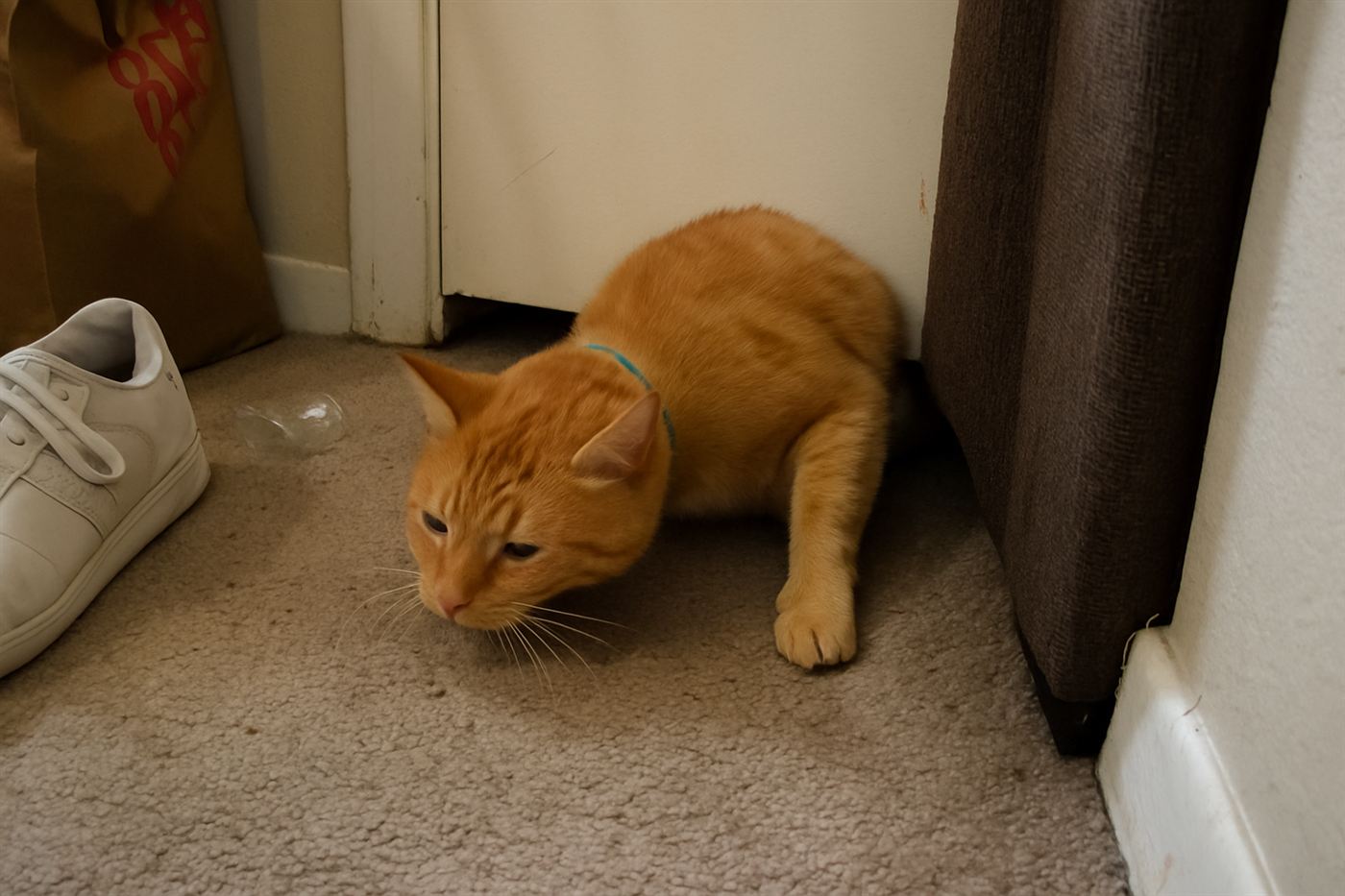
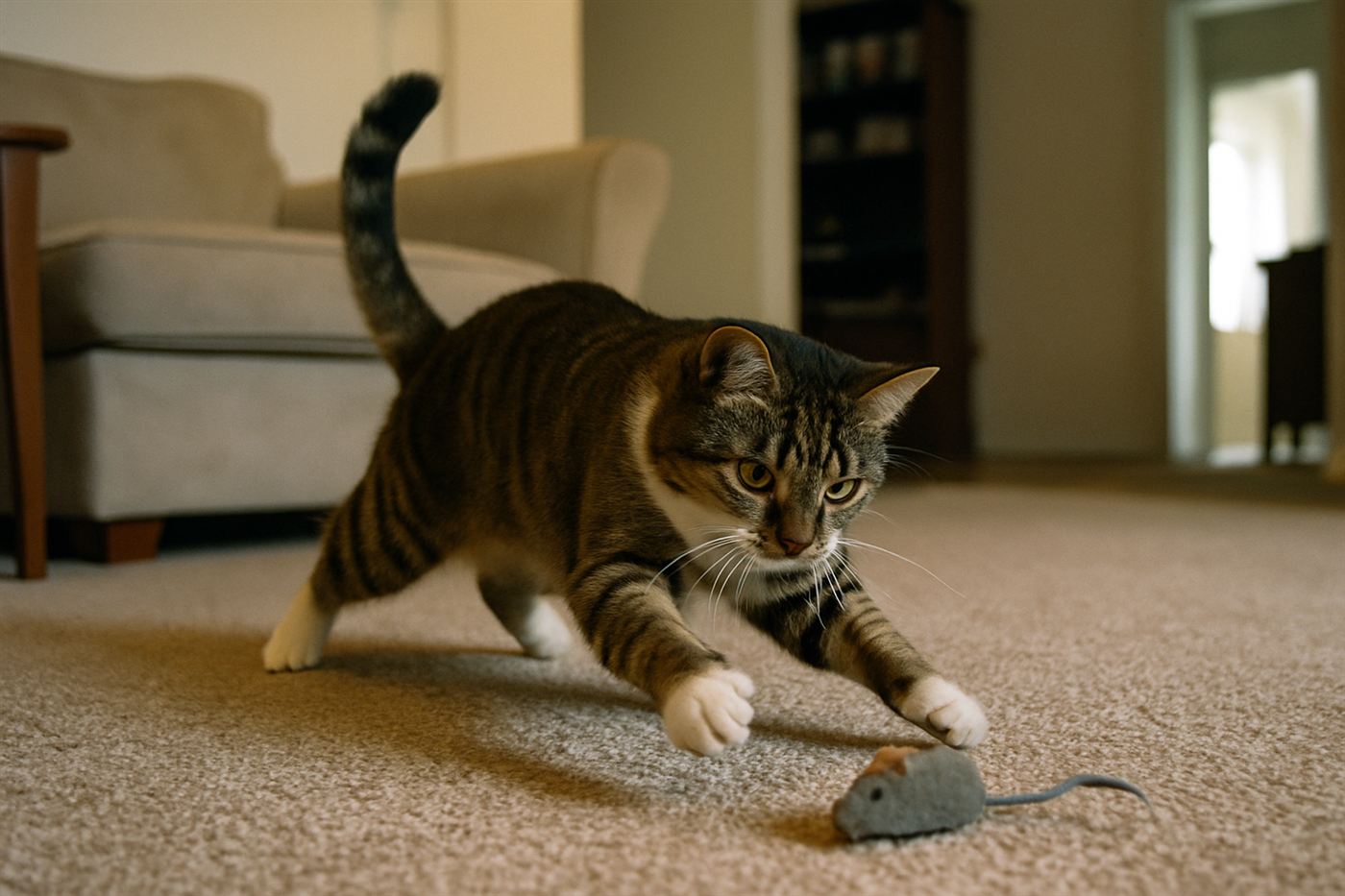
How cat play maps onto the predatory sequence, why kittens start play-fighting at 4 to 5 weeks and how to tell healthy play from real aggression before it escalates.
Care guides, breed spotlights, and advice for cat and kitten owners, written by real people. Meet our writers
How cat play maps onto the predatory sequence, why kittens start play-fighting at 4 to 5 weeks and how to tell healthy play from real aggression before it escalates.
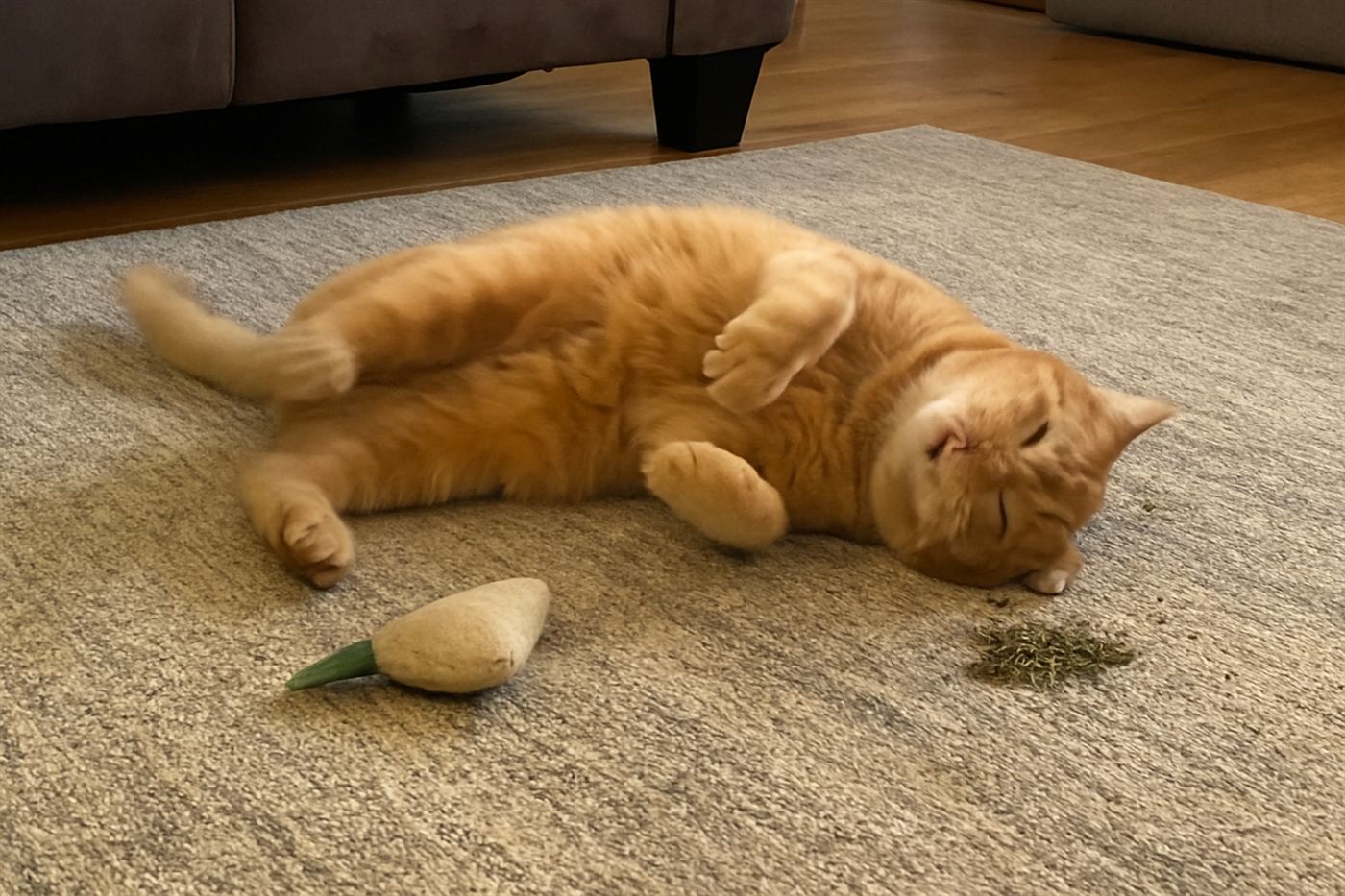
The real science behind why catnip sends most cats rolling on the floor, why a third of cats ignore it completely and the two backup plants that work through entirely different chemistry.
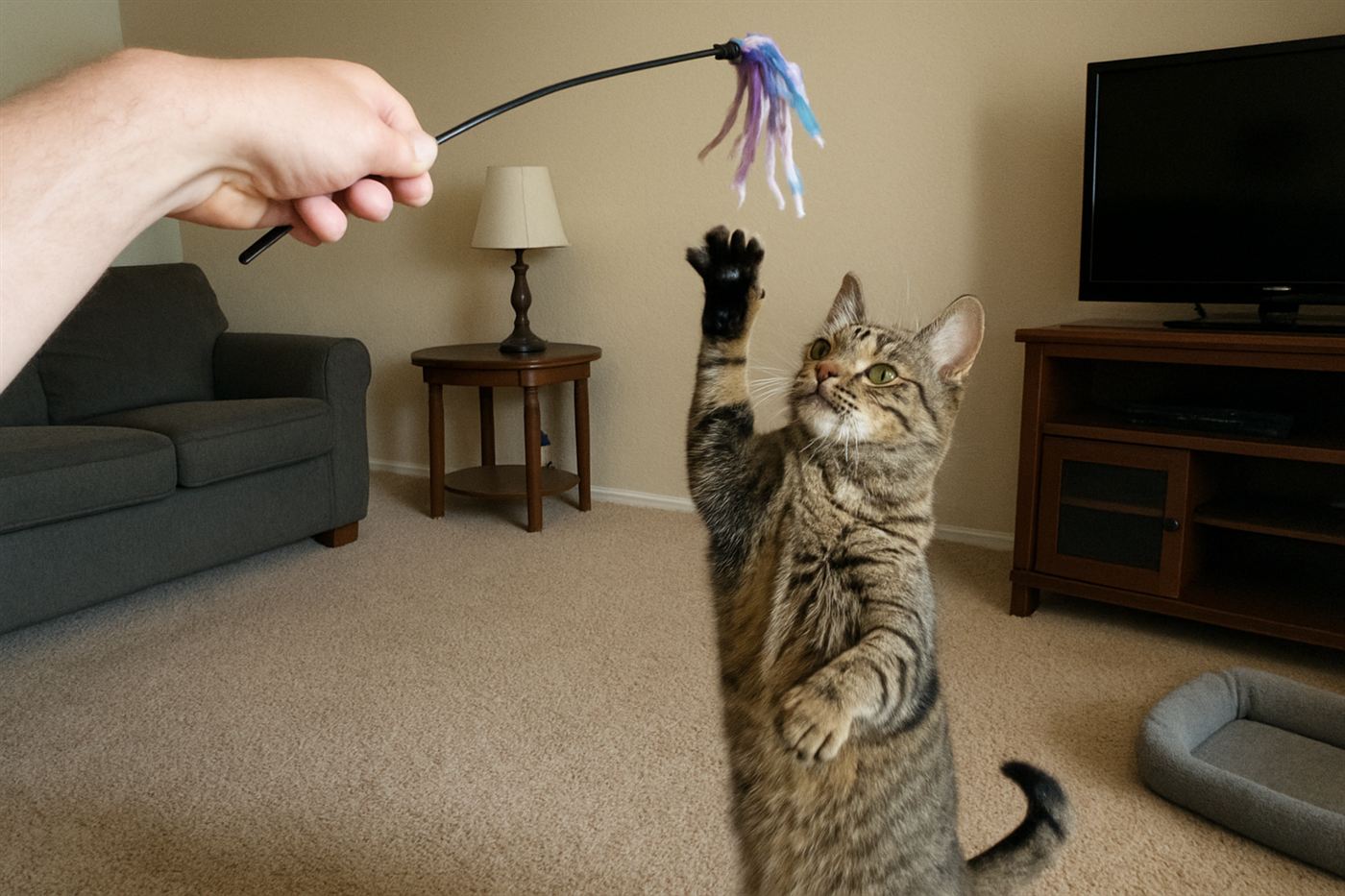
Practical technique for interactive play, how to move a wand toy like real prey, how long sessions should run and how to redirect hands-and-feet biting into a toy.
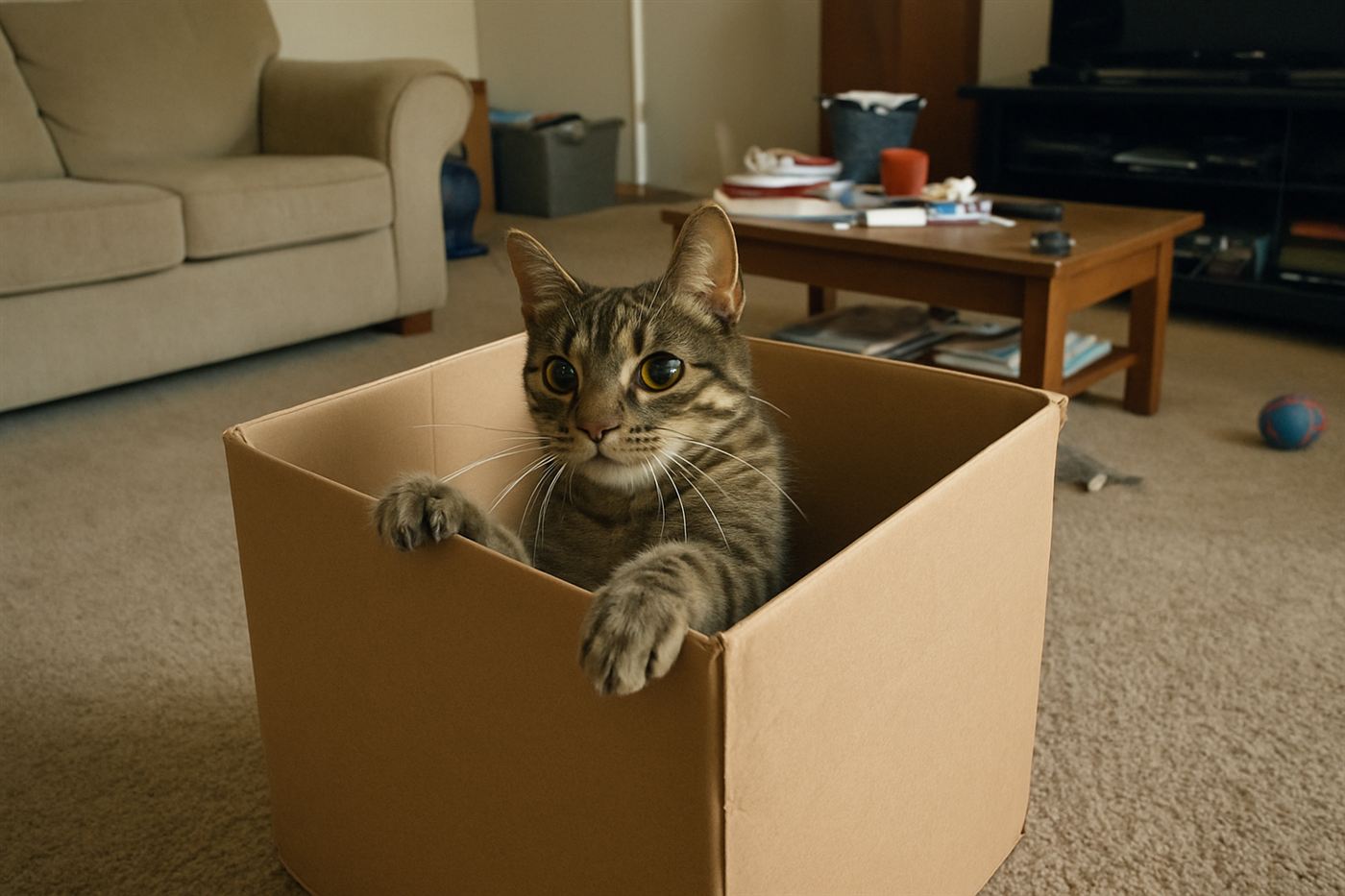
Seven practical, low-cost enrichment ideas for indoor cats, from scavenger-hunt treat games to cardboard boxes to rotating toy strategy, that actually hold a cat's interest.
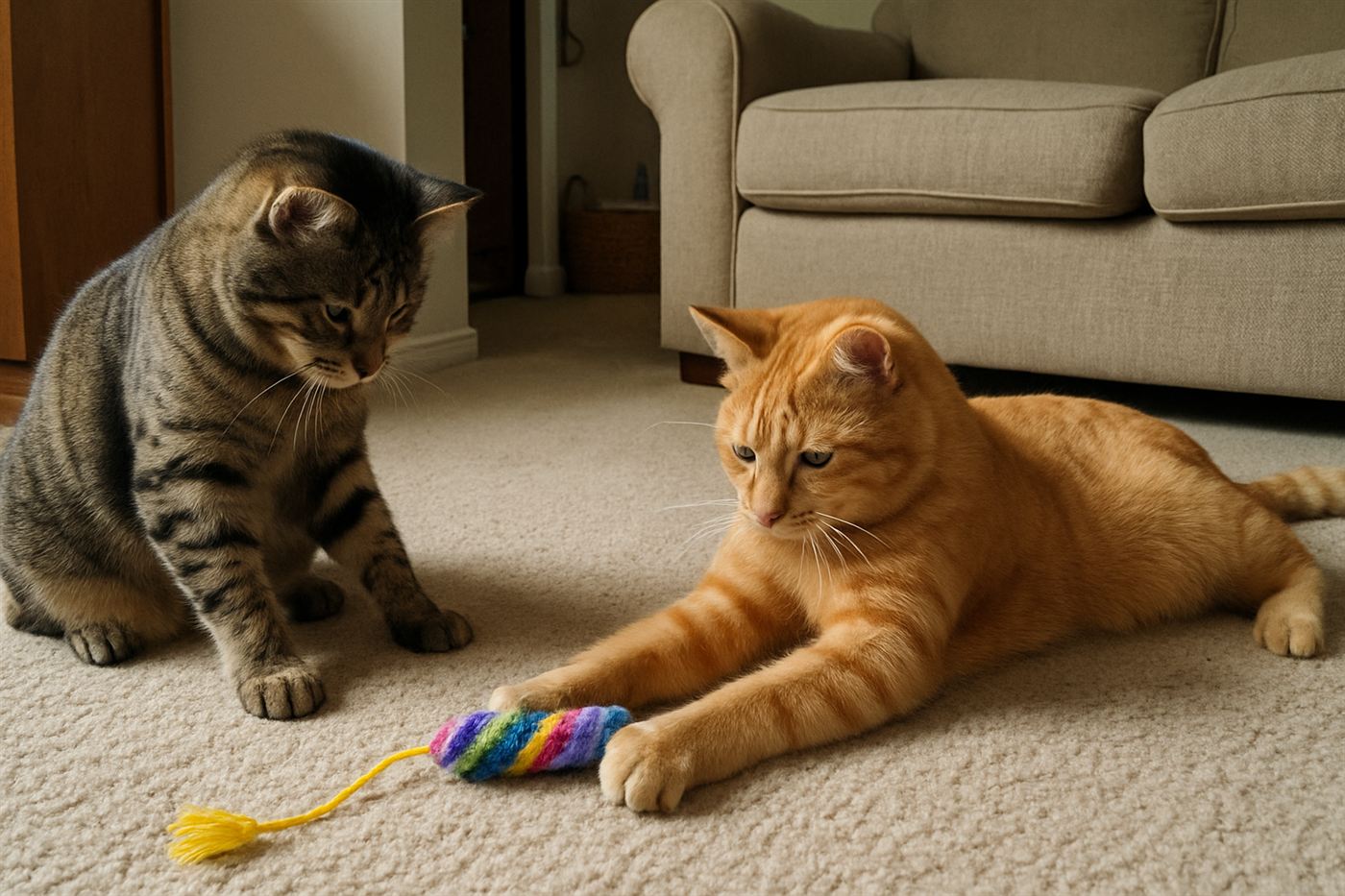
How to prevent toys from becoming a resource-guarding trigger, why one-on-one sessions matter in multi-cat homes and how to read when a cat is being pushed out of group play.
How to adjust play for aging or overweight cats, shorter floor-level sessions, warm-ups for stiff joints and the warning signs that mean it's time for a vet check.
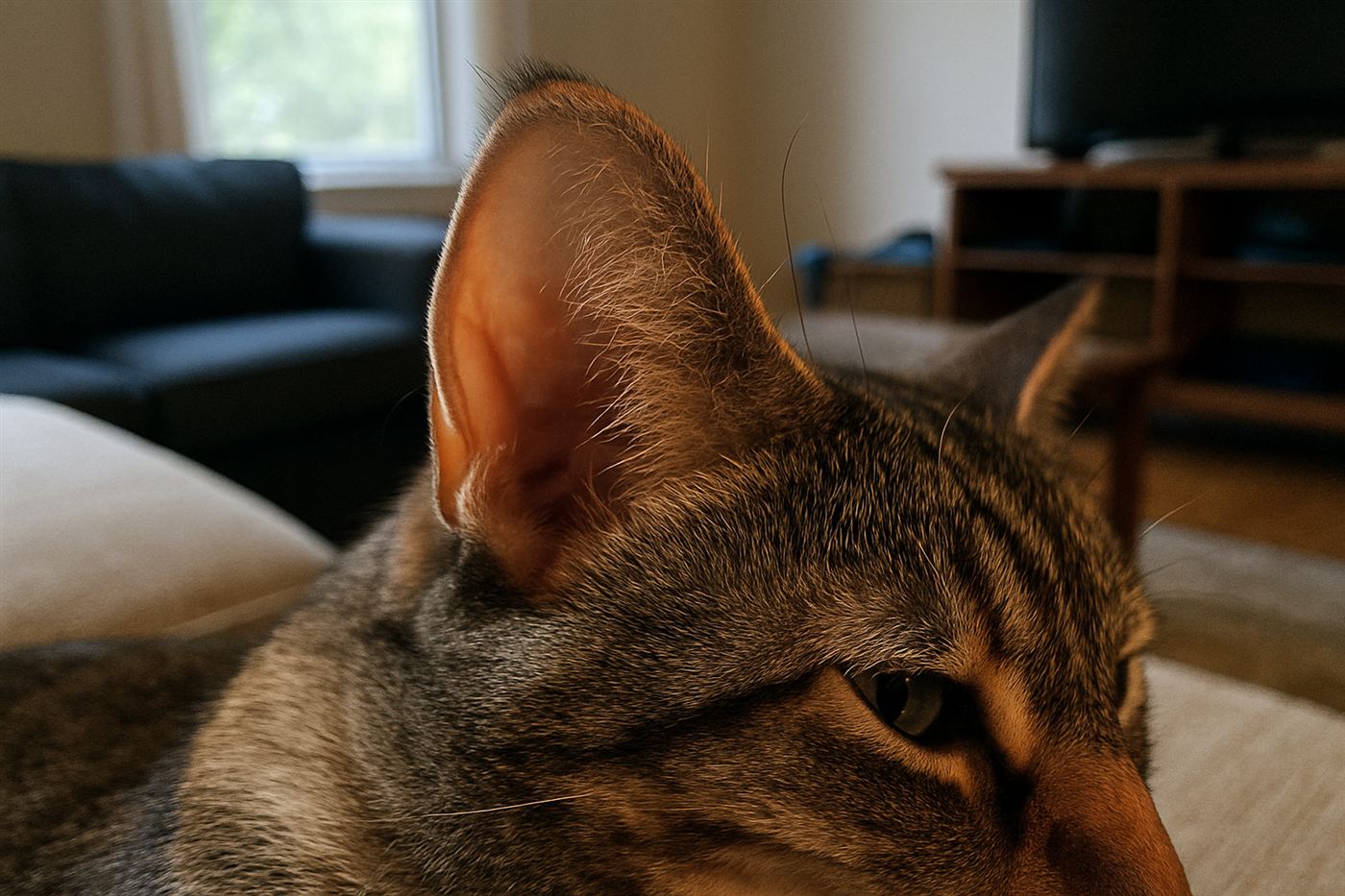
Cats have 32 muscles per ear, an L-shaped canal prone to infection and hearing that runs well past human and dog range. Here's the full anatomy, hearing range and what causes deafness.
A cat's nose has around 200 million scent receptors, a second smell organ behind the incisors and a nose print as unique as a fingerprint. Here's how it all works.
A cat's tail has up to 23 vertebrae, works as a counterweight and can signal mood down to the twitch of the tip. Here's the full anatomy and why tail base injuries are serious.
Cats have about 230 bones, a floating collarbone and a spine that twists nearly 180 degrees. Here's the real anatomy behind squeezing through tight spaces.
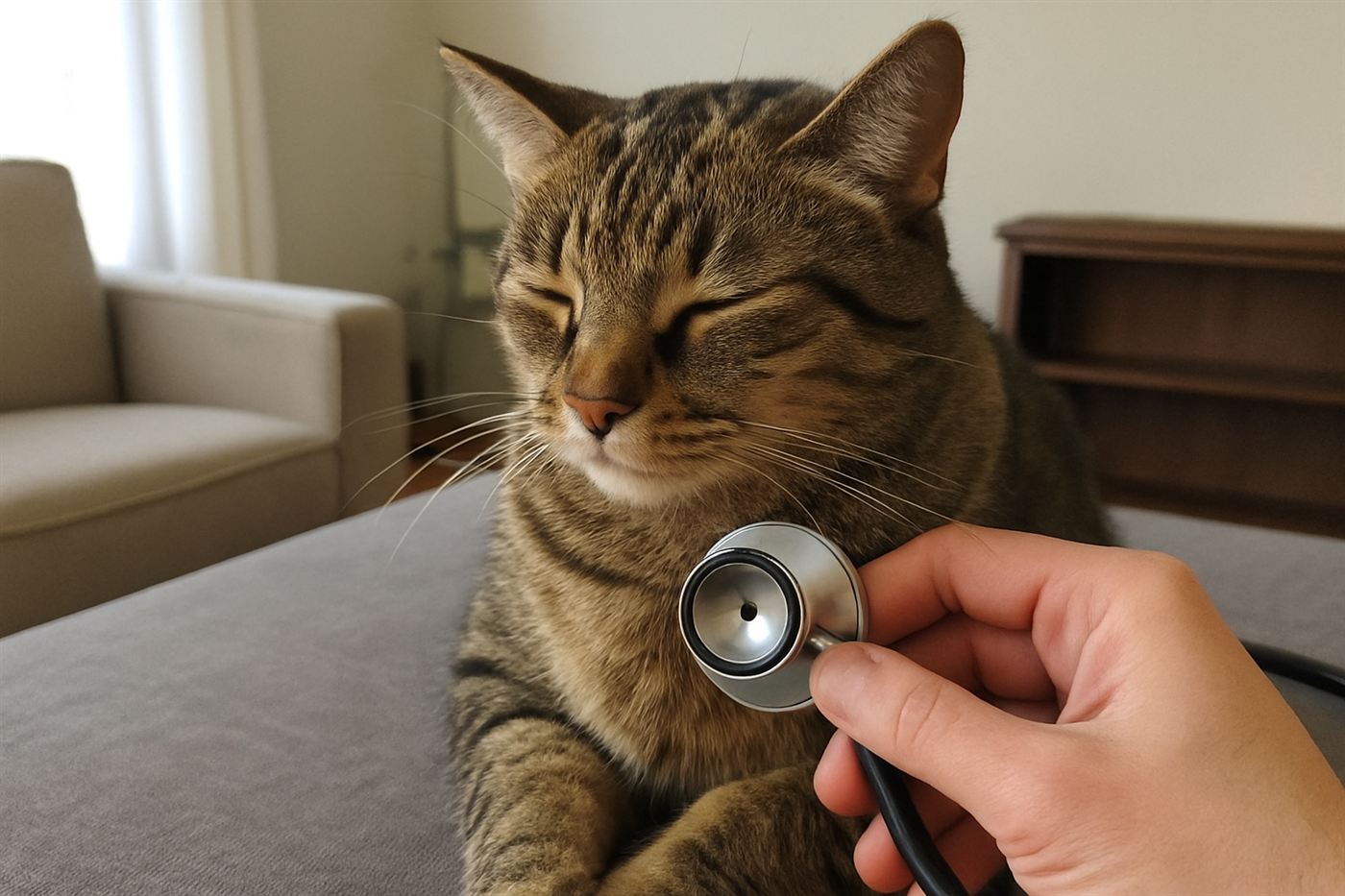
A cat's heart beats up to twice as fast as a human's and pumps a surprisingly large blood volume through a body the size of a walnut's namesake organ.
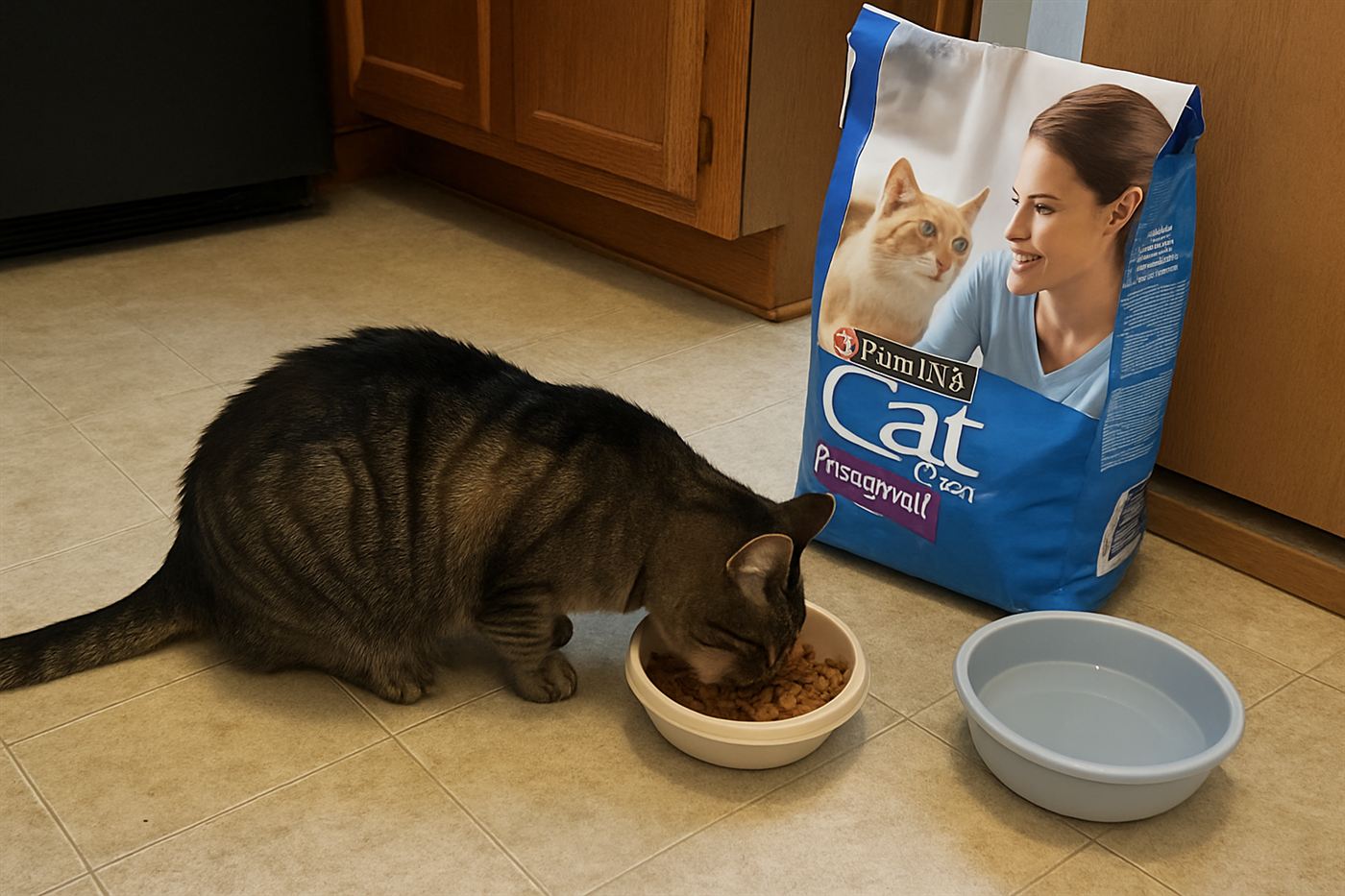
A cat's gut is built almost entirely around meat, from stomach acid strong enough to dissolve bone to a liver that can't safely process common human medications.