How Often Does a Cat Actually Need Professional Grooming
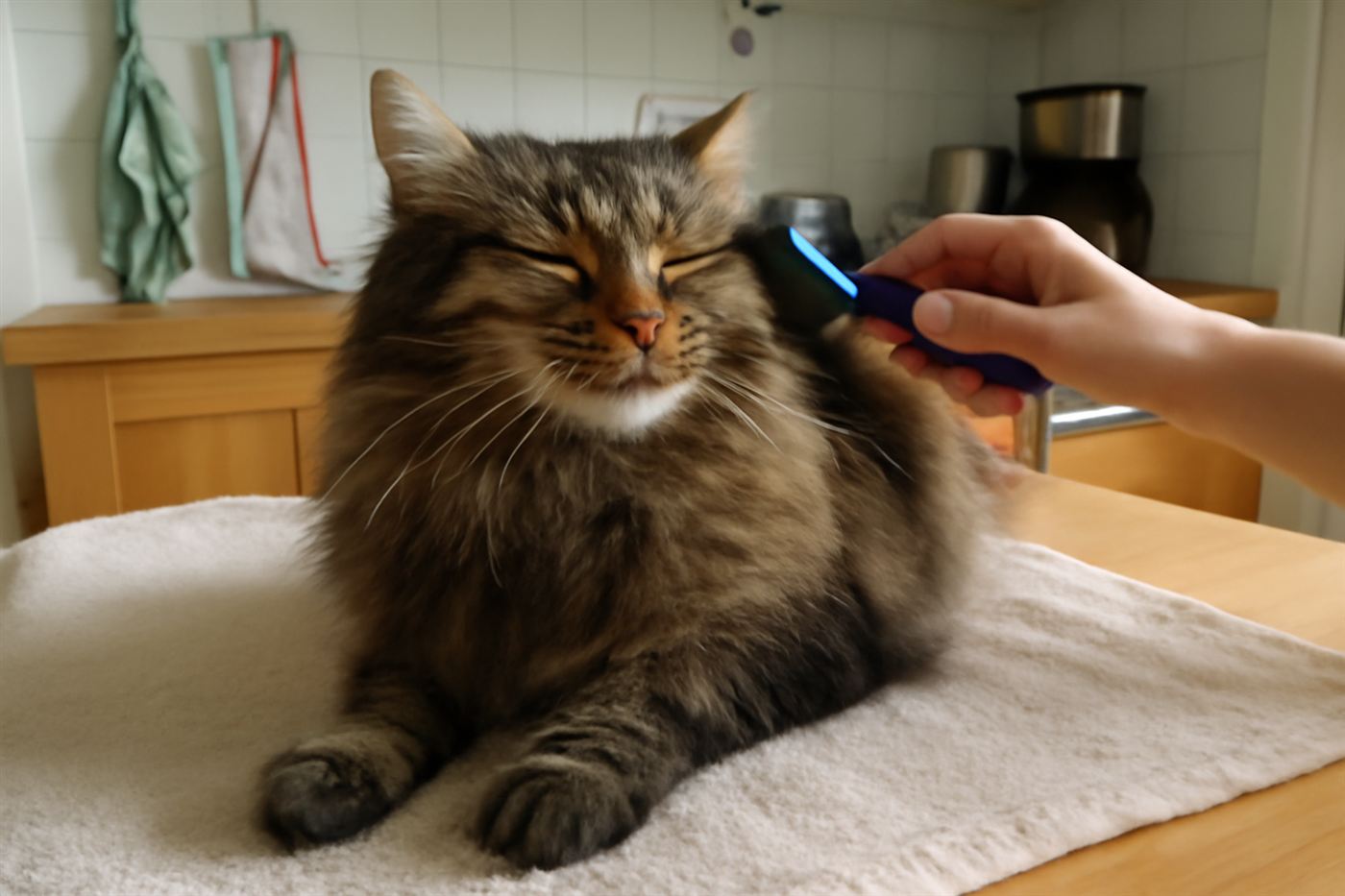
Most short-haired cats groom themselves just fine, but long-haired, senior and overweight cats often need real professional grooming help on a schedule.
Care guides, breed spotlights, and advice for cat and kitten owners, written by real people. Meet our writers
Most short-haired cats groom themselves just fine, but long-haired, senior and overweight cats often need real professional grooming help on a schedule.
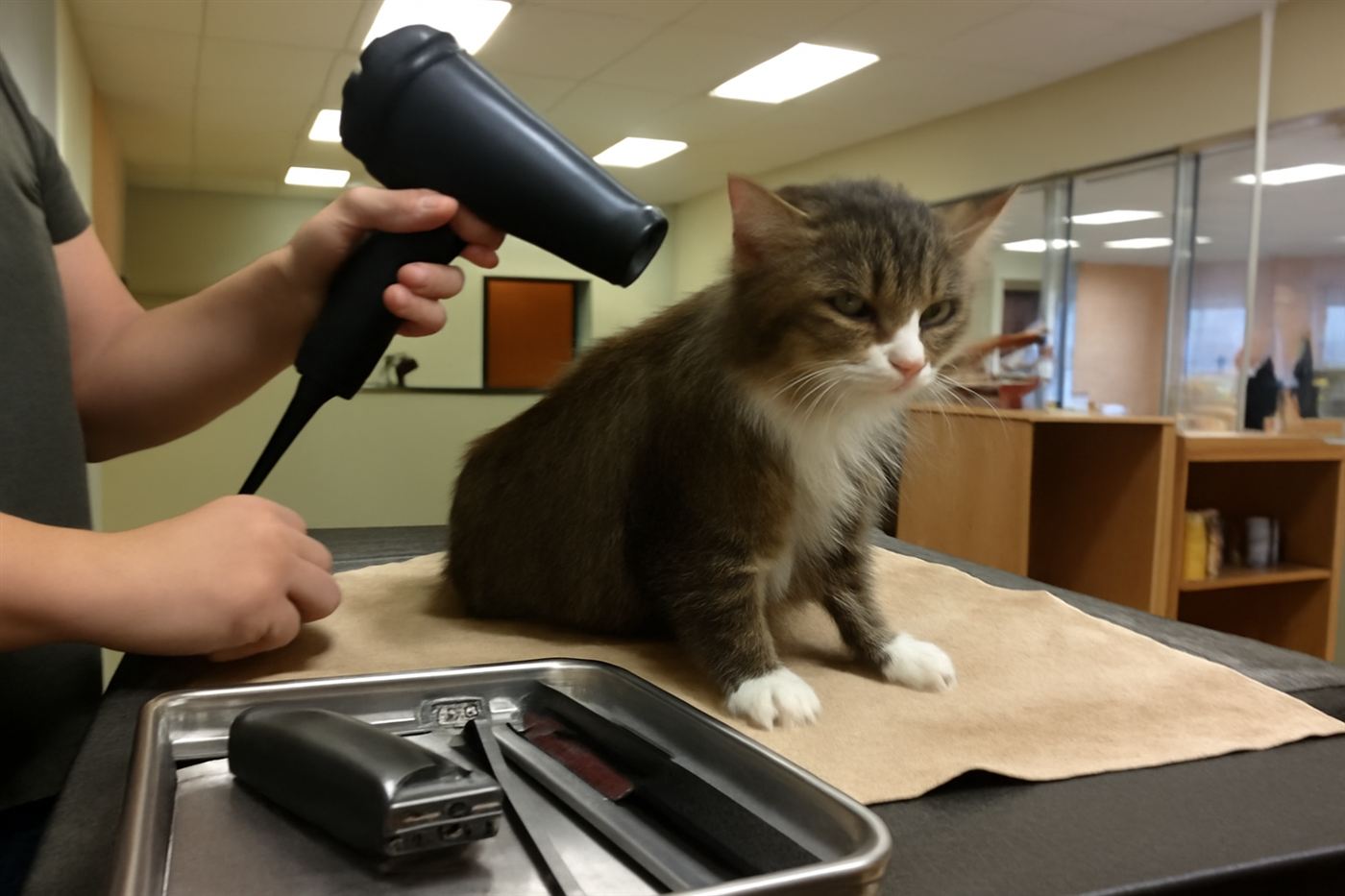
From the intake check to the bath, blow dry, nail trim and the lion cut, here's a real step by step look at what a cat grooming appointment actually involves.
Not every groomer out there handles cats well. Here's what to ask, what to check at the facility and which red flags mean it's time to keep looking elsewhere.
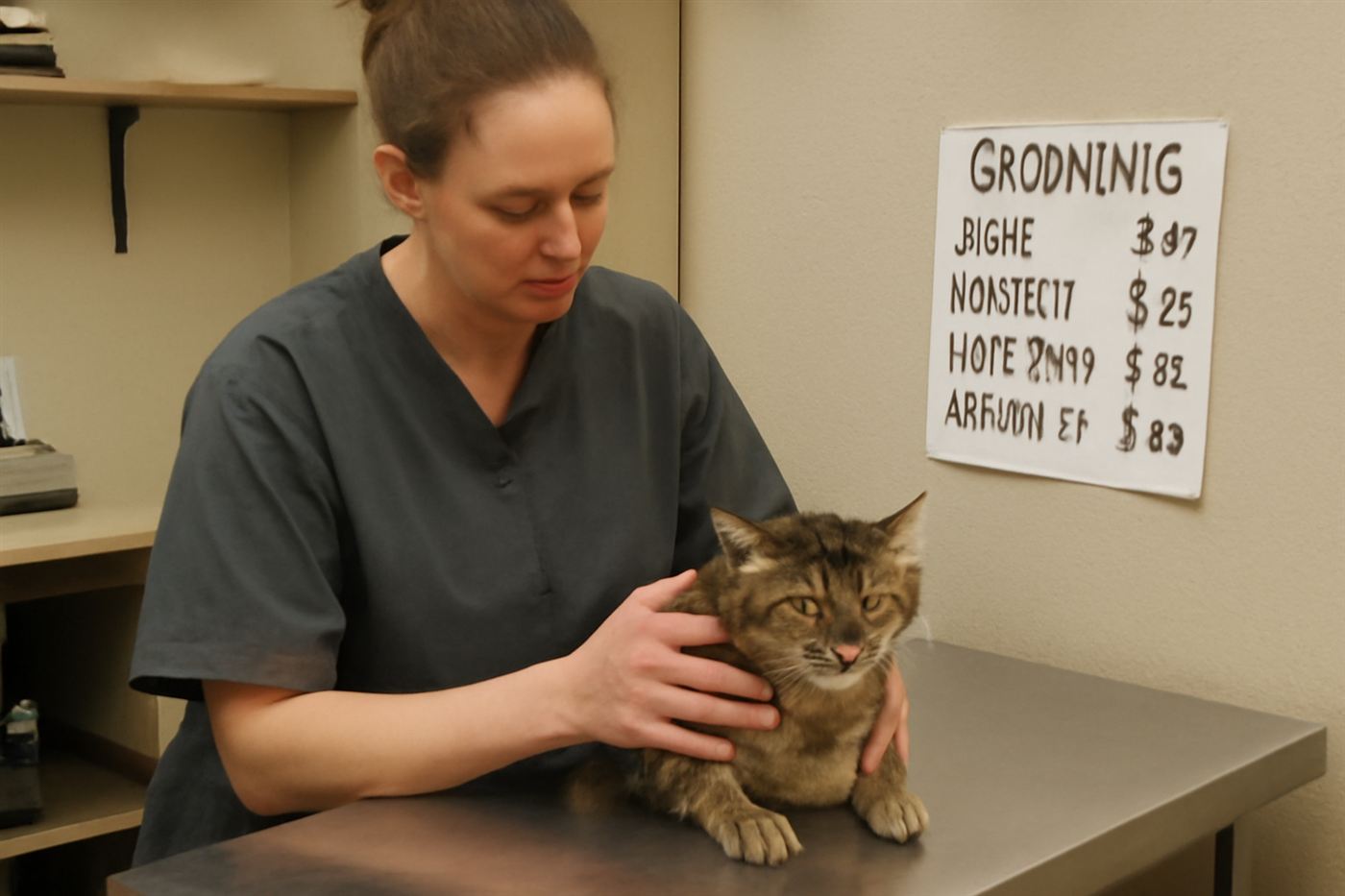
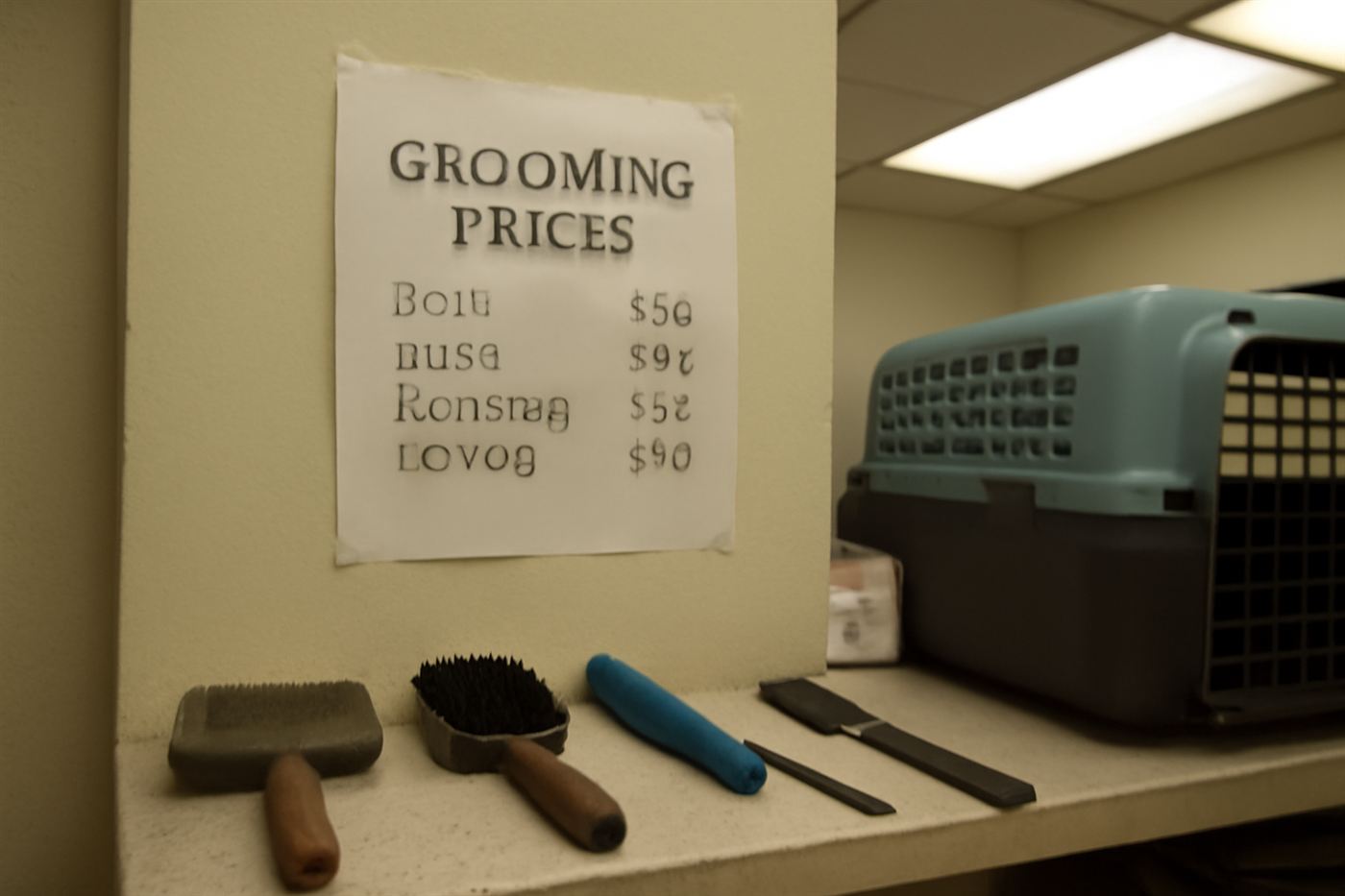
Prices swing a lot based on coat length, mats and add-on services like de-matting. Here's a realistic price breakdown for every common cat grooming service.
The X chromosome explains why orange cats skew heavily male, and why calico and tortoiseshell cats are almost always female, extra X chromosome and all.
Extra toes come from a single dominant gene, and some places have way more polydactyl cats than others thanks to sailors and old ship cats centuries ago.
Purebred cats carry more breed-specific health risks from a smaller gene pool, while mixed breeds get more genetic diversity. Here's what that actually means.
Cheek swab DNA tests can flag breed ancestry and known disease mutations in cats, but they genuinely can't predict everything about a cat's future health.
Whiskers aren't just cute fluff, they're a deeply rooted sensor system that reads air currents, judges tight spaces and even shows a cat's mood.
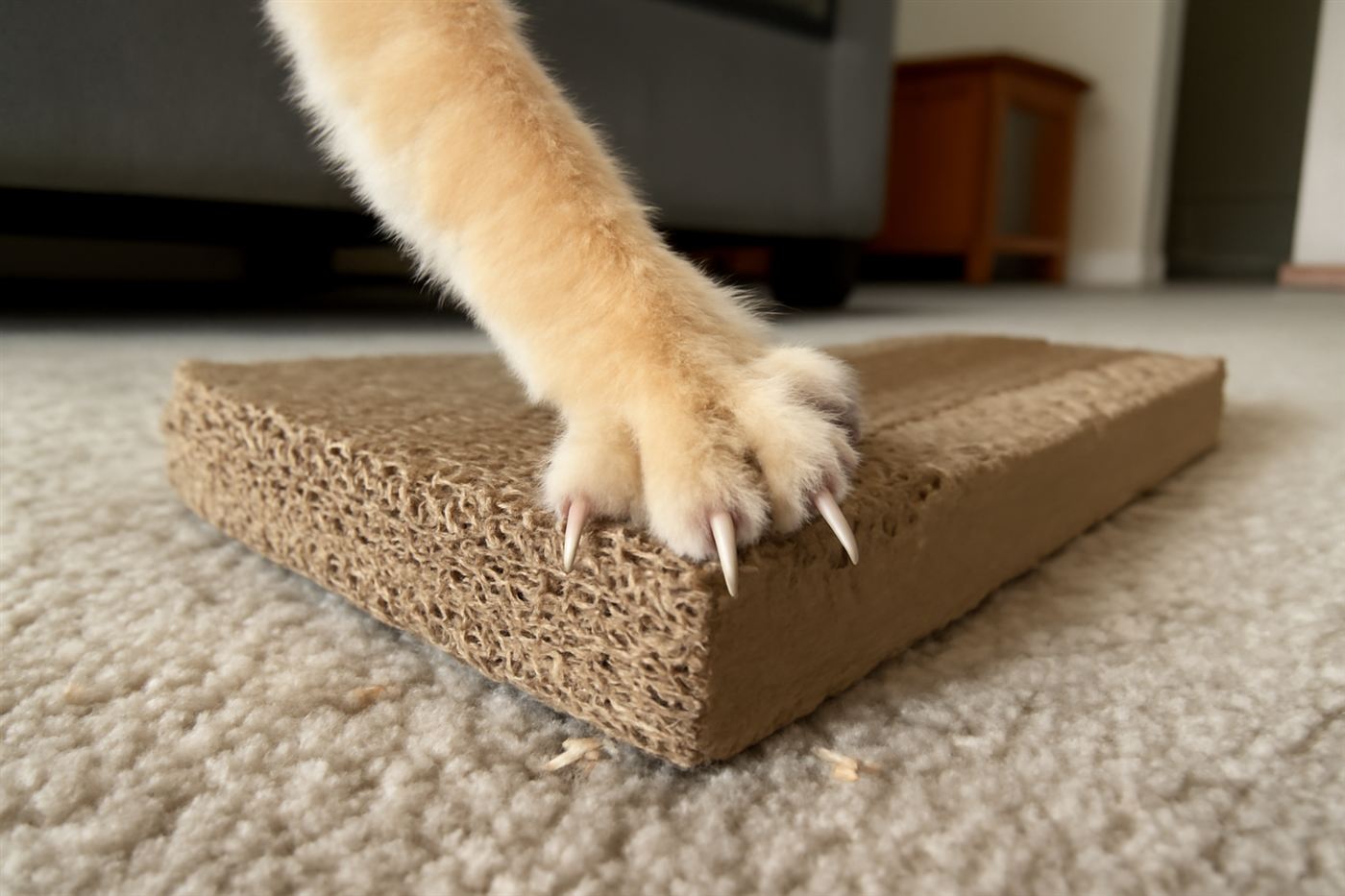
Cat claws stay sharp because of a ligament-and-tendon mechanism dogs don't have, and understanding it explains why declawing is so much more than a nail trim.
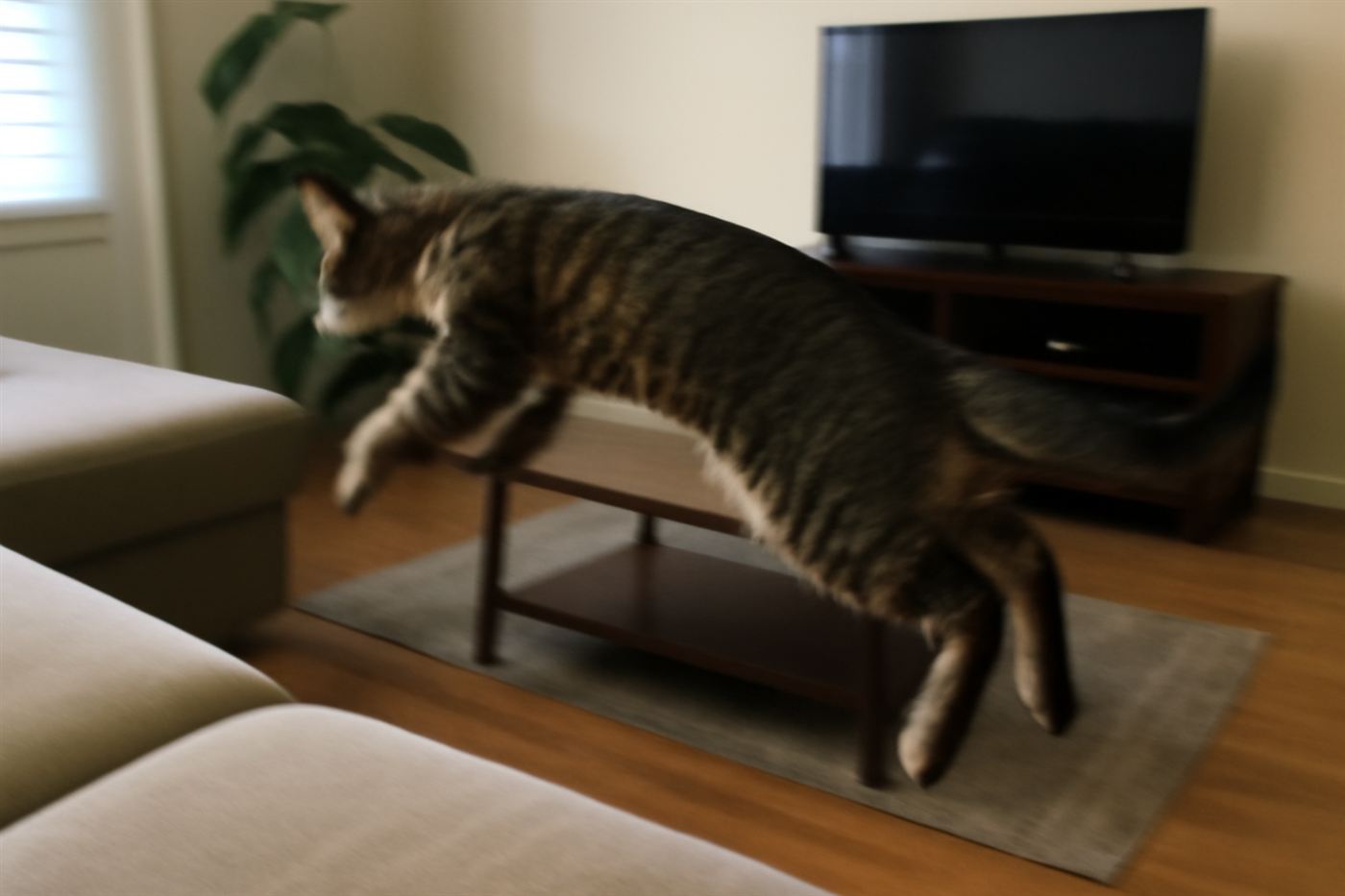
The "cats always land on their feet" myth comes from a real reflex built on inner ear balance and an ultra-flexible spine, but it isn't foolproof.
Cats have 30 teeth built for piercing and shearing meat, not grinding, and that single fact explains a lot about how they eat and get dental disease.