How Smart Are Cats, Actually
Cats have nearly double the cortical neurons of dogs, so the "dumb cat" idea says more about compliance than actual brainpower.
Care guides, breed spotlights, and advice for cat and kitten owners, written by real people. Meet our writers
Cats have nearly double the cortical neurons of dogs, so the "dumb cat" idea says more about compliance than actual brainpower.
Cats hold onto memories of people, places and bad experiences for years, and that memory is a big part of why routine matters so much to them.
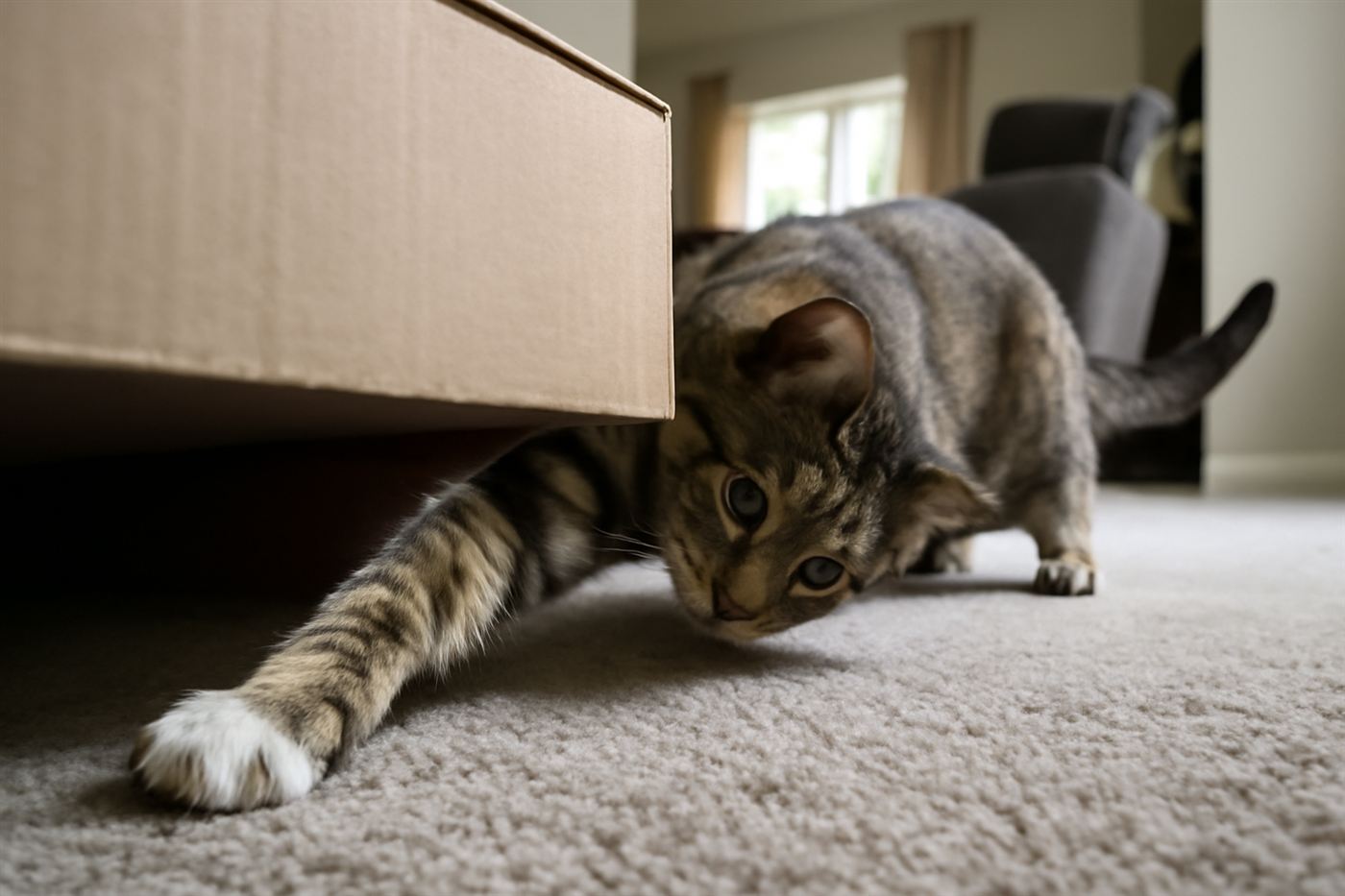
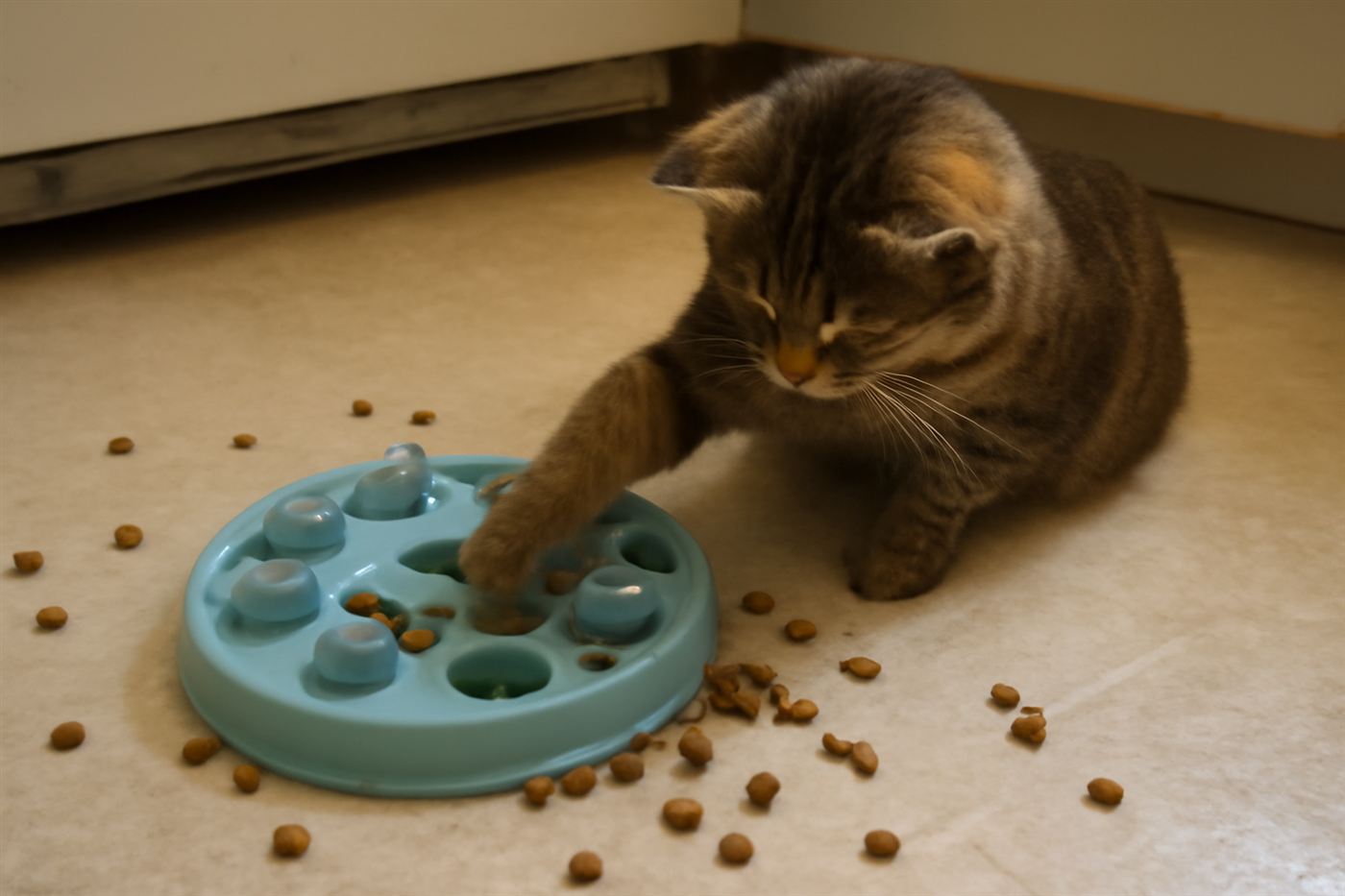
Cats generally pass object permanence tests around the level of a human toddler, and puzzle feeders prove it in everyday life.
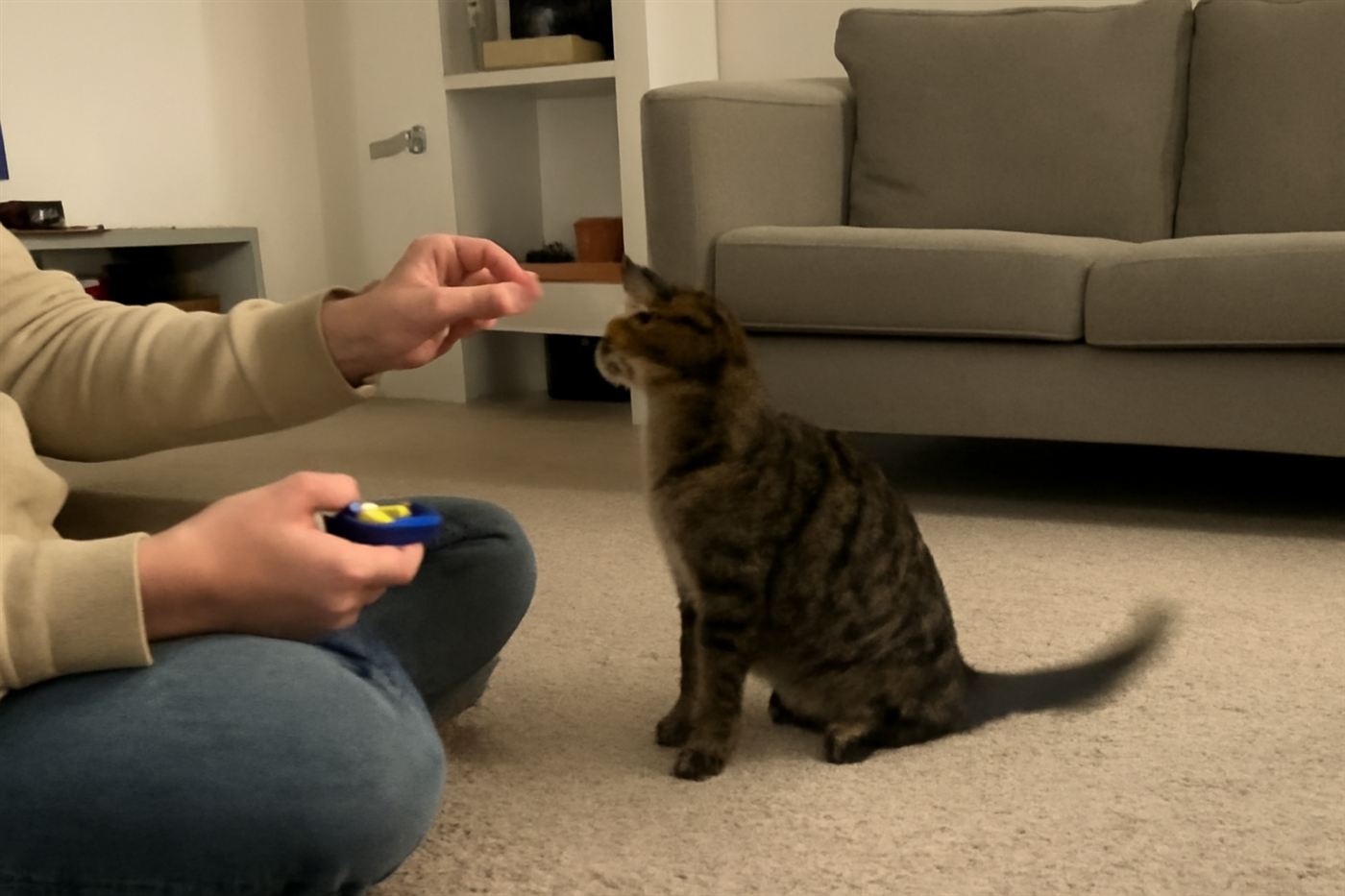
Cats respond great to clicker training and treats, they just need short, reward-only sessions instead of the methods that work on dogs.
Cats aren't colorblind, they see a real but narrower slice of color than we do, and it's not the palette you'd expect.
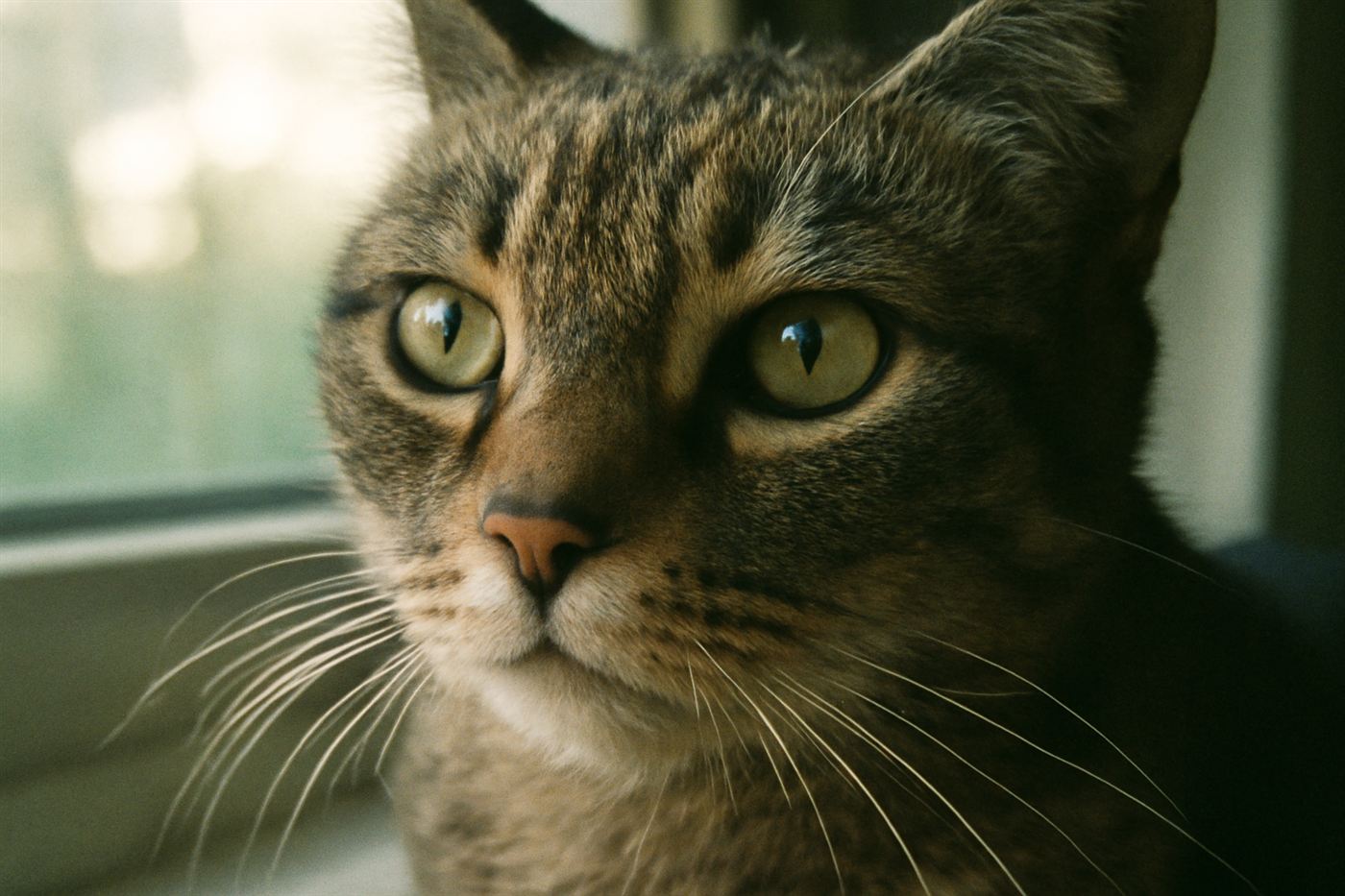
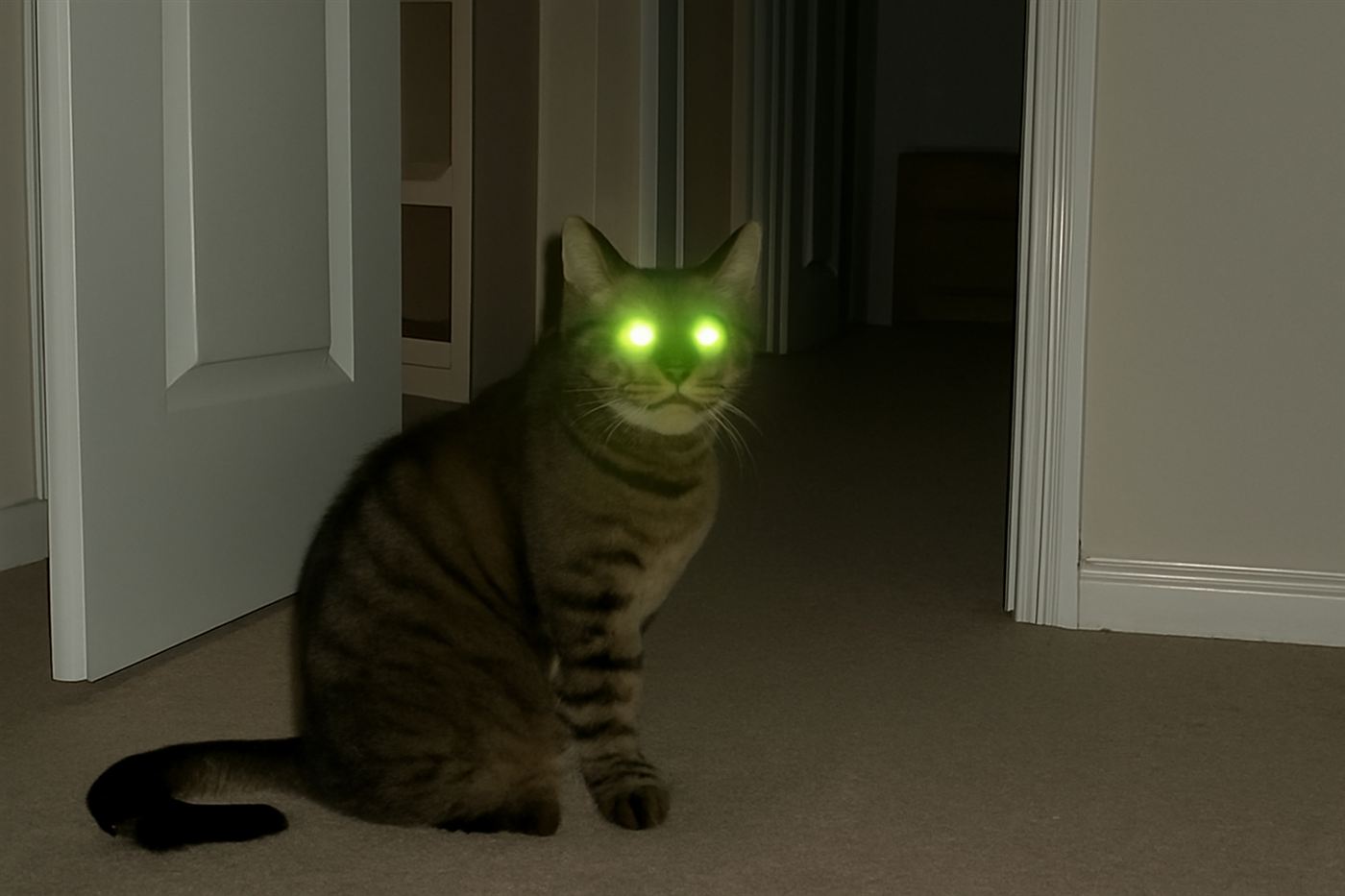
The eerie glow of a cat's eyes in a flashlight beam is a real piece of anatomy doing exactly what it evolved to do.
Cats see a wider slice of the world than we do, but they're also blurry up close in a way most owners never notice.
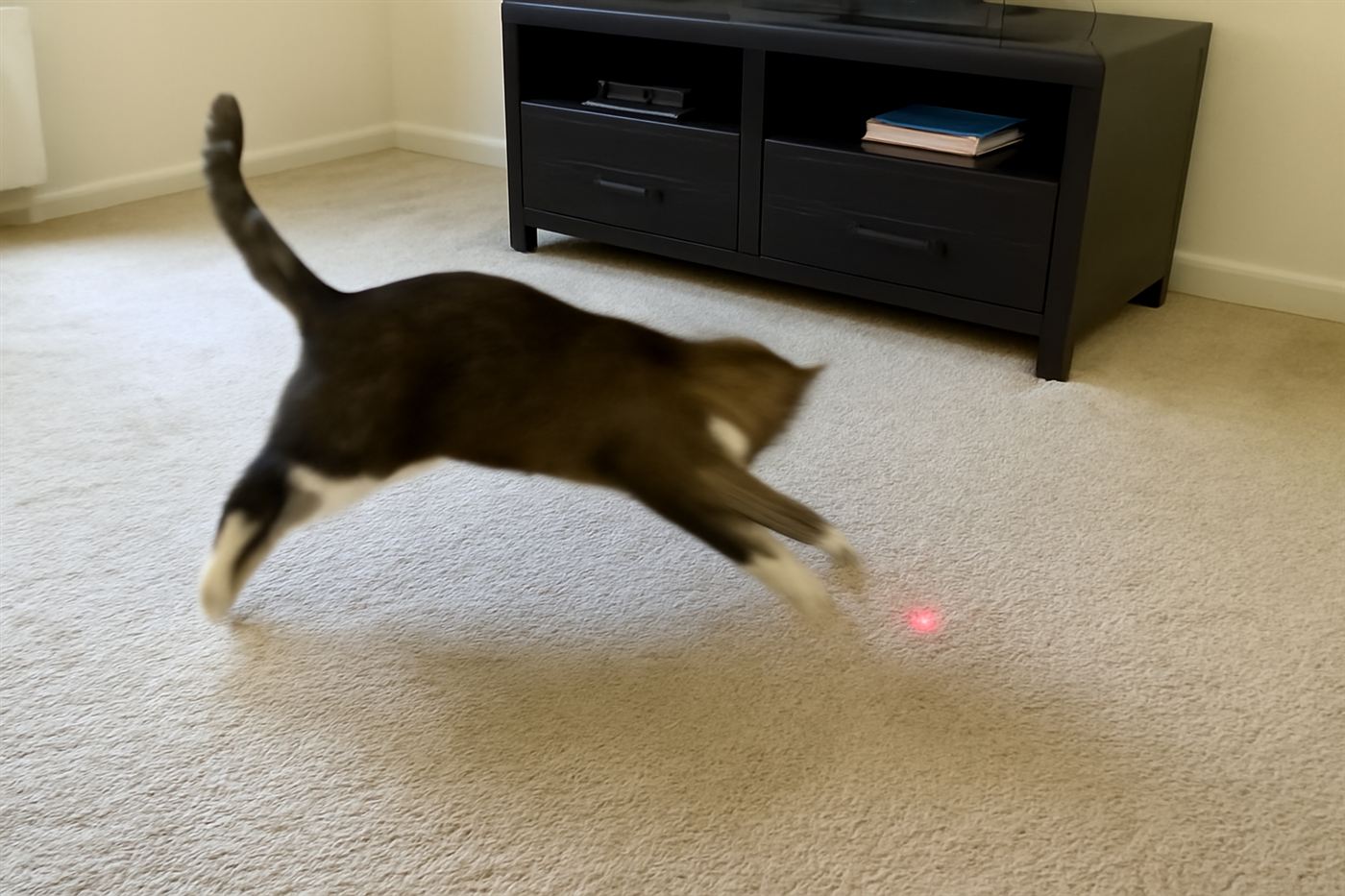
Cats catch flickers and twitches that slide right past human eyes, and it's the same wiring that makes laser pointers so irresistible.
The "aloof cat" stereotype hasn't aged well, recent research keeps showing cats are far more socially tuned in than people assumed.
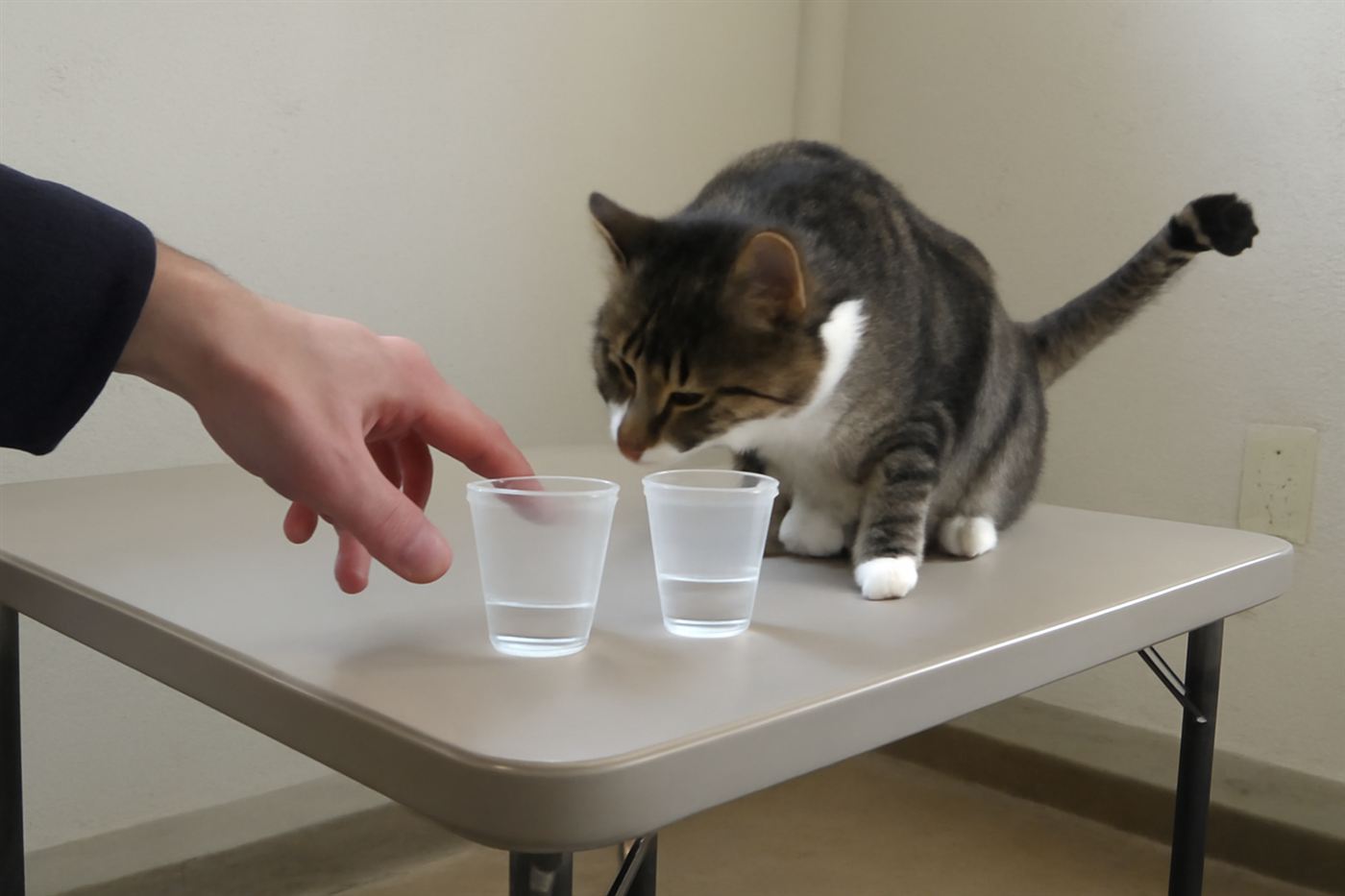
Cats won't perform on command like dogs, so researchers had to invent entirely different ways to figure out what's going on in their heads.
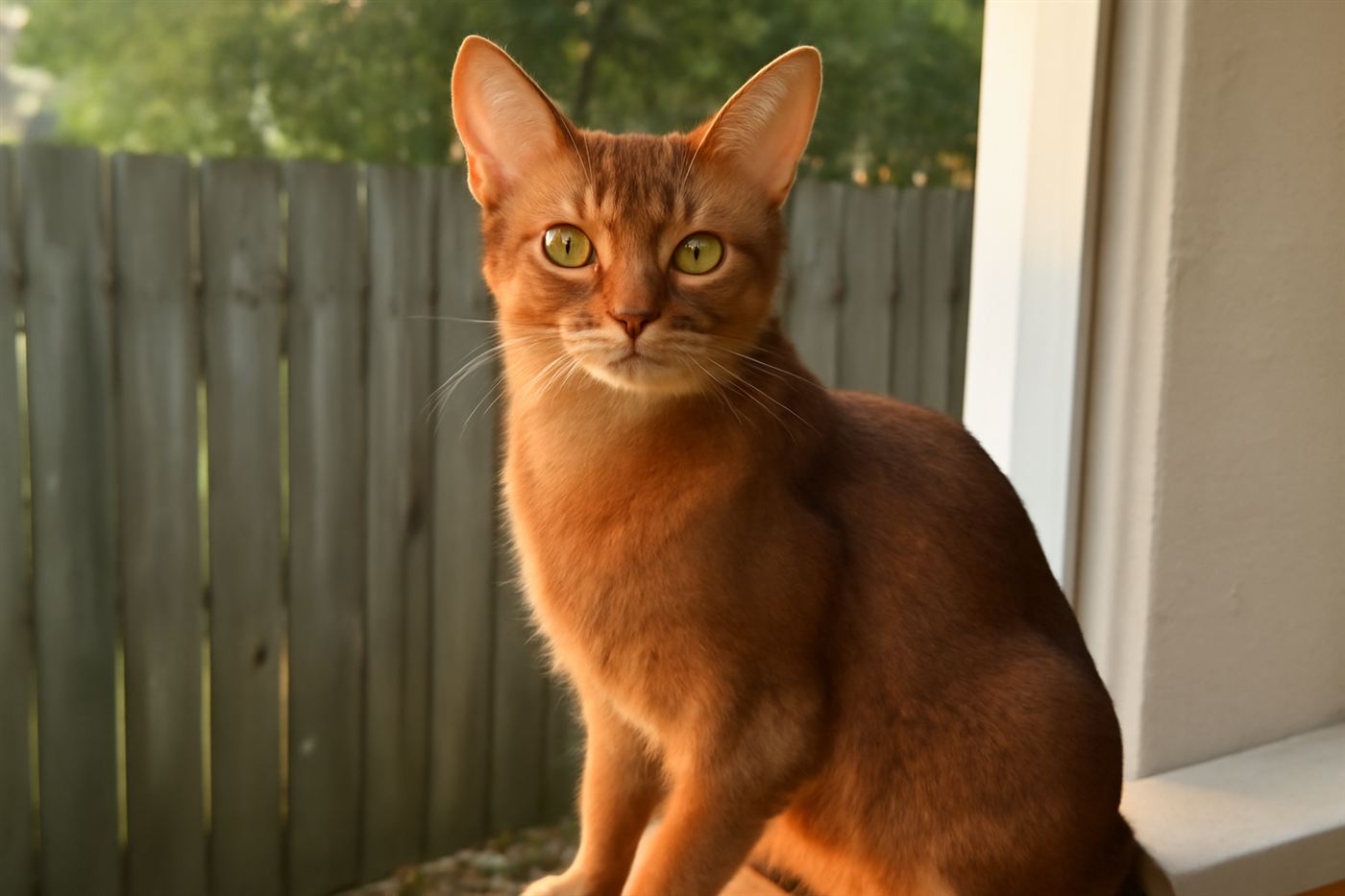
It started with one Abyssinian named Cinnamon, and her sequenced DNA has quietly reshaped what we know about cat health and history.
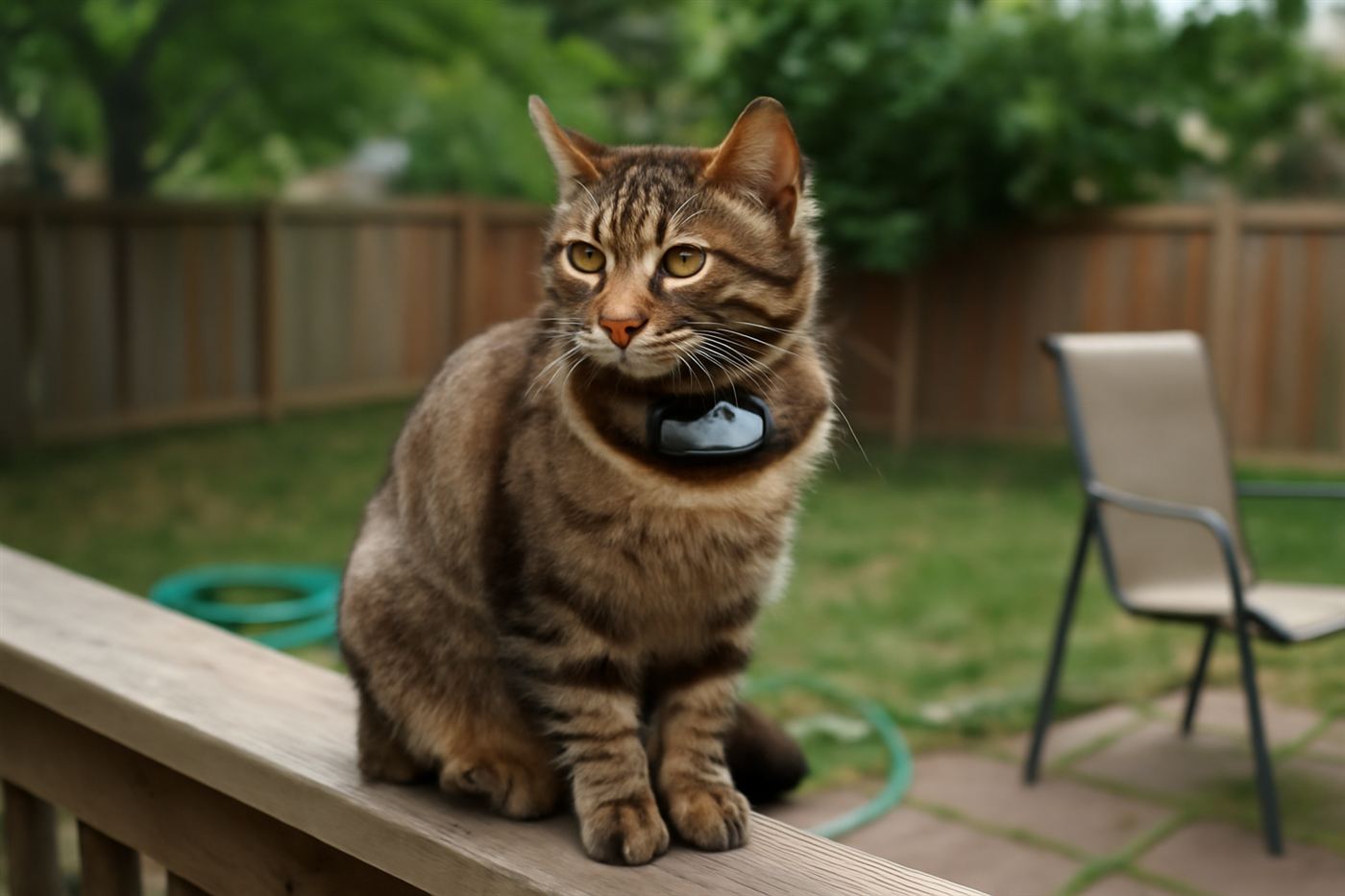
You don't need a lab to contribute to cat science anymore, GPS collars, behavior apps and DNA kits are turning owners into real data sources.