From Fence to Home: A Stray Mother and Her Kittens Thrive
A stray mother cat and her five kittens were rescued from a dangerous garden fence and now thrive indoors, growing healthy and showing diverse personalities.
Care guides, breed spotlights, and advice for cat and kitten owners, written by real people. Meet our writers
A stray mother cat and her five kittens were rescued from a dangerous garden fence and now thrive indoors, growing healthy and showing diverse personalities.
A four-pound cat named Butterscotch was found tied to a pole with only a small amount of food nearby. The rescue team noted she could not move to find water, shade, or a safer spot. During veterinary intake, at least 100 fleas fell off her. The rescue, already at capacity, accepted the cat and began
Scientists have pinpointed a small deletion in the regulatory region of the Arhgap36 gene that explains why many cats have orange coats. The missing segment, about five kilobases long, causes cells that produce orange fur to produce roughly thirteen times more RNA from this gene than cells from non-
Siamese, Maine Coon, Ragdoll, and Abyssinian cats greet owners in distinct ways-from vocal enthusiasm to gentle chirps-highlighting how breed traits shape homecoming rituals.
The 32nd Cat Writers’ Association Conference runs Nov. 5-7, 2026 in Dallas-Fort Worth, featuring a rescue track and ending with an awards banquet. Registration closes Oct. 19.
Mission Meow awarded grants to five nonprofits to expand TNR programs, building shelters and equipment to reduce feral cat overpopulation and improve community cat welfare.
Explore the best 2026 beef cat foods that list whole-meat first, are grain-free, and meet AAFCO standards, plus tips on benefits, allergies and weight management.
Discover the top 13 cat breeds known for calmness, their energy levels, grooming needs, lifespans, and the importance of brief daily play for low-energy cats.
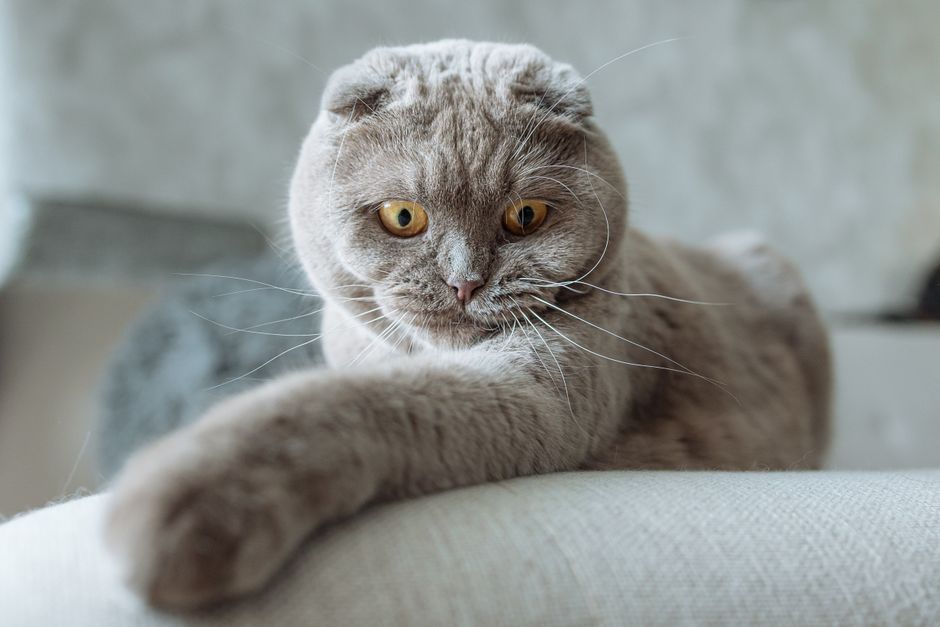
Explore five cat breeds with naturally short tails-Highlander, Scottish Fold, Traditional Siamese, Kurilian Bobtail, and Pixie-bob-highlighting their unique traits and care notes.
Novelty cat scratchers made from sisal or cardboard look like DJ turntables, skateboards, or laptops. They cost $15-$60, are durable, and keep furniture safe.
Cats attack ankles because of a predatory play drive, common in young or single-cat households. Fast ankle movement and feet under blankets trigger the chase reflex. Avoid using hands or feet as toys.
Global Cat Day and National Feral Cat Day fall on October 16, 2026, with the theme “Cats Are Community™.” The day celebrates the protection of community cats worldwide. In Puerto Rico, Alley Cat Allies won a major victory for the Paseo del Morro cats. The U.S. National Park Service had planned letha