Unusual Cat Breeds and Their Distinct Traits
A concise overview of several registered cat breeds, their unique genetic traits, and personality notes as reported by cat registries and veterinary sources.
Care guides, breed spotlights, and advice for cat and kitten owners, written by real people. Meet our writers
A concise overview of several registered cat breeds, their unique genetic traits, and personality notes as reported by cat registries and veterinary sources.
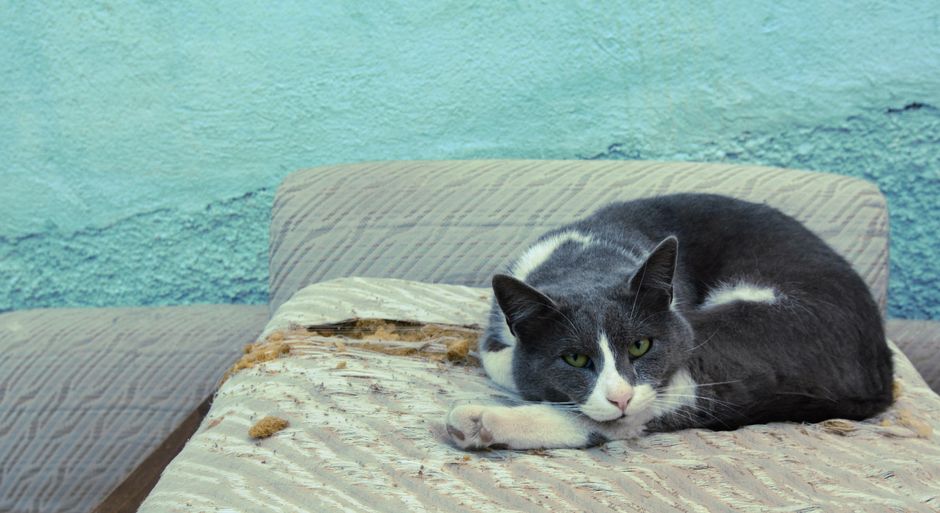
Cats eating fur is often normal grooming, but frequent or large amounts can indicate pica, stress, or boredom. Watch for hairballs, bald patches, and consult a vet if needed.
Find out which cat breeds are best for nurses on long shifts-independent, low-shedding, and tolerant of 10-14 hour alone time. Learn grooming needs and temperament of each breed.
Explore which cat breeds are most athletic and which are most food-motivated, plus play and feeding tips for high-energy cats.
A gray tabby kitten was found crying alone inside a construction site in Queens. When a volunteer lifted him, he began to purr, showing he was ready for care. The kitten, about nine weeks old, was dehydrated and had worms and diarrhea when rescued. In foster care he was dewormed, nursed back to heal
Harry the tabby cat meowed while watching bubbles float near his baby sibling, prompting a viral Instagram clip with over 659,000 views and 85,000 likes.
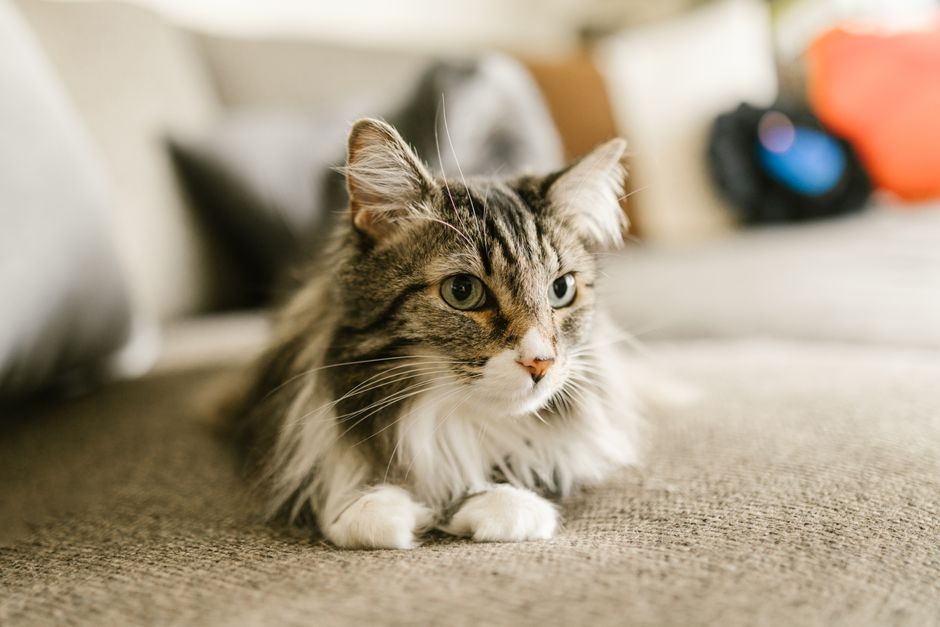
Fluffy cats like Himalayans, Selkirk Rex, Somalis, and Ragdolls have striking coats and distinct personalities-from affectionate and playful to curious and easy-going.
Cats often choose high spots for security, a better view, and warmth. Natural climbing instincts and personal space drive this behavior, and sturdy furniture helps keep them safe.
Alley Cat Allies prepares for Hurricane Isaias, rescues kittens after a nor’easter, treats a cat with possible entropion, and supports community cats in Puerto Rico.
A new study shows 6.7% of North American cats carry Giardia, with one in fifteen infected overall. Kittens, males, and Midwestern cats are at higher risk. Clean litter boxes and handwashing help reduce spread.
A 1.5-pound kitten named Flea playfully approaches an 80-pound German Shepherd, launching a near miss before cuddling. The video has 15,000 likes and sparked light-hearted comments.
Orange cat Zoey leapt about five feet between kayaks, a move her owner calls risky but she loves. The video has 29,000 likes.