CatCon 2026: Pasadena’s Biggest Cat-Culture Bash
CatCon 2026 brings cat lovers to Pasadena for art, celebrity cats, games, and a silent disco while helping over 200 kittens find homes.
Care guides, breed spotlights, and advice for cat and kitten owners, written by real people. Meet our writers
CatCon 2026 brings cat lovers to Pasadena for art, celebrity cats, games, and a silent disco while helping over 200 kittens find homes.
Air-dried cat food keeps more nutrients, offers high protein and low carbs, and is easier to store than raw diets. ZIWI Peak gives grain-free, limited-ingredient options for sensitive cats.
A 2026 guide recommends wet or fresh cat foods with named animal protein first, AAFCO certification, and taurine. It lists top picks, safety tips, and price checks.
Amber, the Mewton-Clawson Library’s cat-book connoisseur, returns from a nine-week Italian trip, shares her travel highlights, and previews upcoming book reviews and Italian journals.
Cats show simple signs when owners leave: waiting at the door, following, vocalizing, sniffing clothes, and sometimes distress if they need more attention.
Petra Luna earned four CWA Certificates of Excellence and launched a new freeze-dried cat food, Puckin’ Crazy Chicken Feast, while her CatCrazy Channel grows to 220,000 subscribers.
Pinecone, a certified therapy cat, visits his school twice a week in a bright yellow vest, offering calm and comfort to students while becoming a cherished part of the school community.
Cosmo, a stray cat with flattened ears, arrived at Tri-County Humane Society and is healthy, independent, and food-motivated. He needs a calm home where he can set his own pace.
Cats prefer faucet water because it feels safer and cooler. Tap water is safe, but long-term faucet drinking can add minerals linked to urinary problems. Pet fountains help keep water moving and visible.
Cats that follow you from room to room, sleep on your chest, bring you odd gifts, stare slowly, sense your mood, sit at the foot of the bed facing the door, and rub their face on you are often called guardian cats. These seven behaviors are rooted in real feline instincts. Shadowing reflects territo
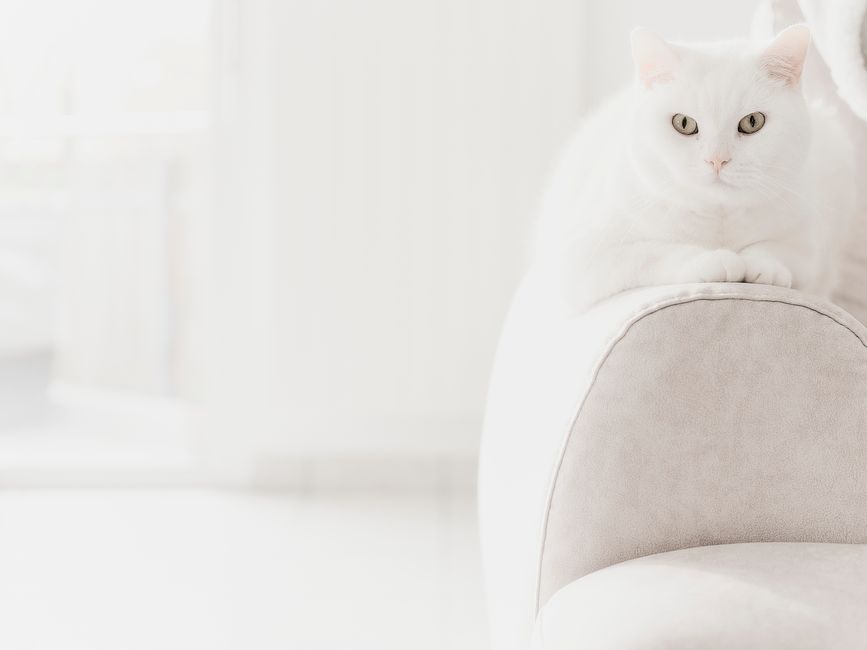
Five cat breeds-British Shorthair, Russian Blue, American Shorthair, Scottish Fold, Exotic Shorthair-are low-maintenance, nap 6-8 hours, need only weekly brushing, and fit quiet home-office settings.
Belinda and her daughter Pellene, rescue cats, are hoping to be adopted together. Their video has over 12,000 likes and they’re available for adoption near New York City.