Two Cats Find Comfort in Unusual Couch Position
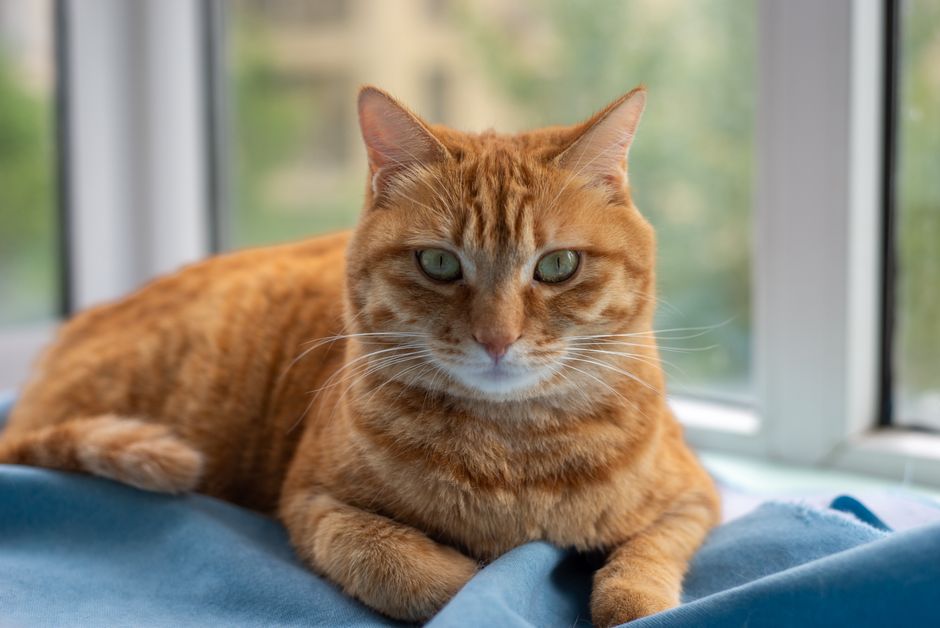
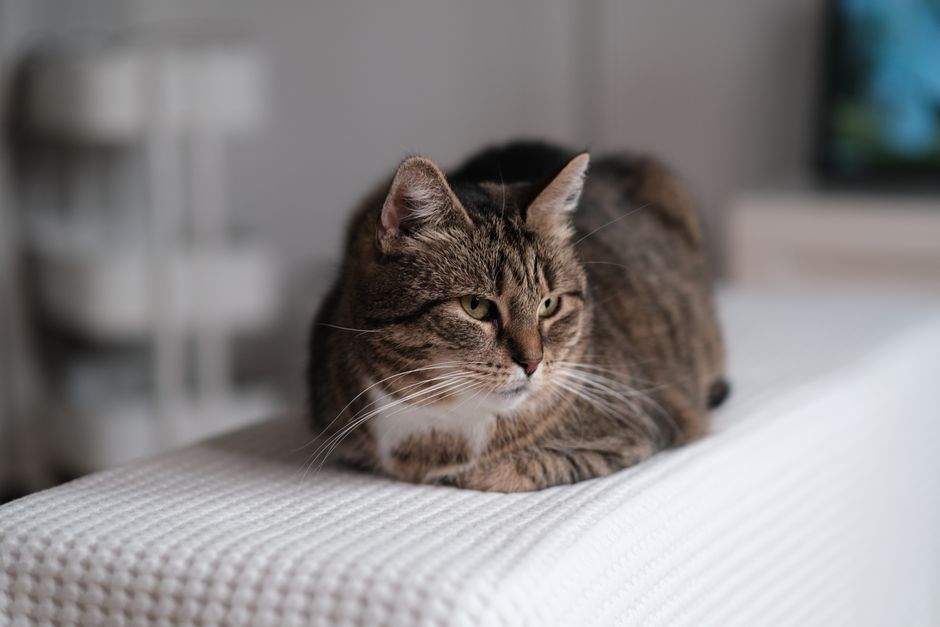
A grey tabby and an orange cat sleep together on a couch armrest, with the tabby resting her chin on the orange cat’s rear end while both remain still and comfortable.
Care guides, breed spotlights, and advice for cat and kitten owners, written by real people. Meet our writers
A grey tabby and an orange cat sleep together on a couch armrest, with the tabby resting her chin on the orange cat’s rear end while both remain still and comfortable.
Cats notice changes around them even when relaxed. New furniture, unfamiliar sounds, strange smells, visitors, and changes in routine can catch their attention. Their natural curiosity helps them gather information about their surroundings and decide what is safe or interesting. Cats are surprisingl
A mother cat and her five kittens were rescued from a hidden spot behind a Bronx nail salon, received intensive care, and are now healthy and safe.
Explore black cat gifts that play on their playful nature, debunk myths about bad luck, and learn why coat color shouldn’t dictate adoption choices.
Cats use scent glands to mark their environment. Facial rubbing and scratching are normal behaviors that communicate with other cats and humans. Pheromone products can help but are not a cure-all.
A group of foster kittens from the Bitty Kitty Brigade visited the Sea Life Aquarium, watching marine life and napping near the exhibits during the organization’s sixth annual trip.
Purina’s Tidy Cats launches a crime-procedural series starring Kumail Nanjiani to tackle litter-box problems, spotlighting its Performance+ line and a New York event with adoptable cats.
An Instagram video shows orange kitten Pluto trying to keep his owner happy by demanding treats. In the clip, Pluto sneaks into a packet of chips meant for his mom, growls when she says no, and then grabs a piece of meat from a steak box. He pulls the box, drops it, and manages to get a bite before
Explore 2026 probiotic cat foods, their strains, benefits, and safety tips. Learn which products add BC30, Enterococcus faecium, or Lactobacillus acidophilus and how to introduce them safely.
Trap-Neuter-Return captures, neuters, vaccinates, and returns feral cats, reducing colony size and disease while avoiding the cruelty and ineffectiveness of culling.
A playful tabby named Harry was filmed standing beside his baby human sibling, watching bubbles float around him. The cat’s eyes widened and he mewed softly, clearly intrigued by the unexpected sight. He followed the bubbles as they drifted and faded, showing a mix of curiosity and excitement. The b
Cats use blankets, sunbeams, and human laps to stay warm in fall, turning ordinary spots into cozy retreats that reflect instinct, comfort, and routine.