Feline Calicivirus (FCV): Symptoms, Limping Syndrome, and the Rare Deadly Strain
Most cats that get calicivirus have a rough week, sneezing, mouth ulcers, feeling crappy, then they bounce back fine. Every once in a while though, the same virus turns into something way worse, a systemic disease with a death rate that rivals some of the scariest illnesses out there. Knowing the difference matters.
What ordinary calicivirus actually looks like
Feline calicivirus (FCV) is one of two viruses, along with feline herpesvirus, behind most cat colds. Usual case: sneezing, runny nose, goopy eyes. Calicivirus also does something herpesvirus usually doesn't, ulcers on the tongue, gums or roof of the mouth that make eating hurt.
The limp that isn't a leg injury
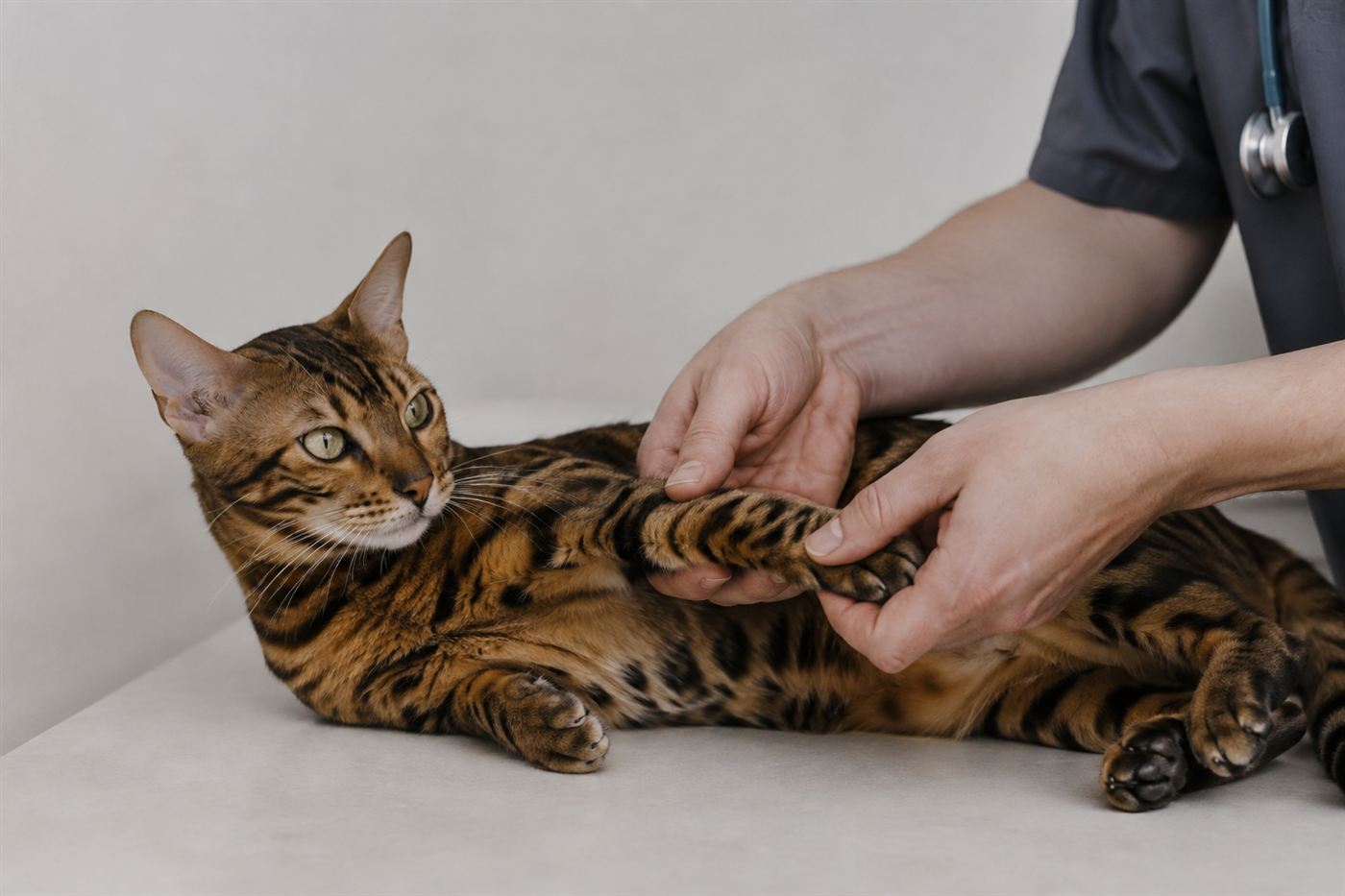
One weird thing calicivirus does is called "limping syndrome." Some strains cause joint inflammation and fever, and a cat, often a kitten right after a vaccine or a natural infection, just starts limping out of nowhere. No trauma, no injury, nothing. It usually clears up on its own in a few days as the immune response settles down. Still, a sudden limp in a young cat is worth a vet visit, not just an assumption of a hurt leg.
Why the vaccine doesn't fully prevent infection
Calicivirus is a pain from an immunology standpoint. FCV is a "quasispecies," meaning new variants keep popping up, and strains vary enough that no single vaccine cross-protects against everything circulating. The vaccine still matters a lot. It cuts down viral shedding and duration and makes illness milder. It just can't promise your cat will never catch some version of the virus.
The rare, genuinely dangerous form
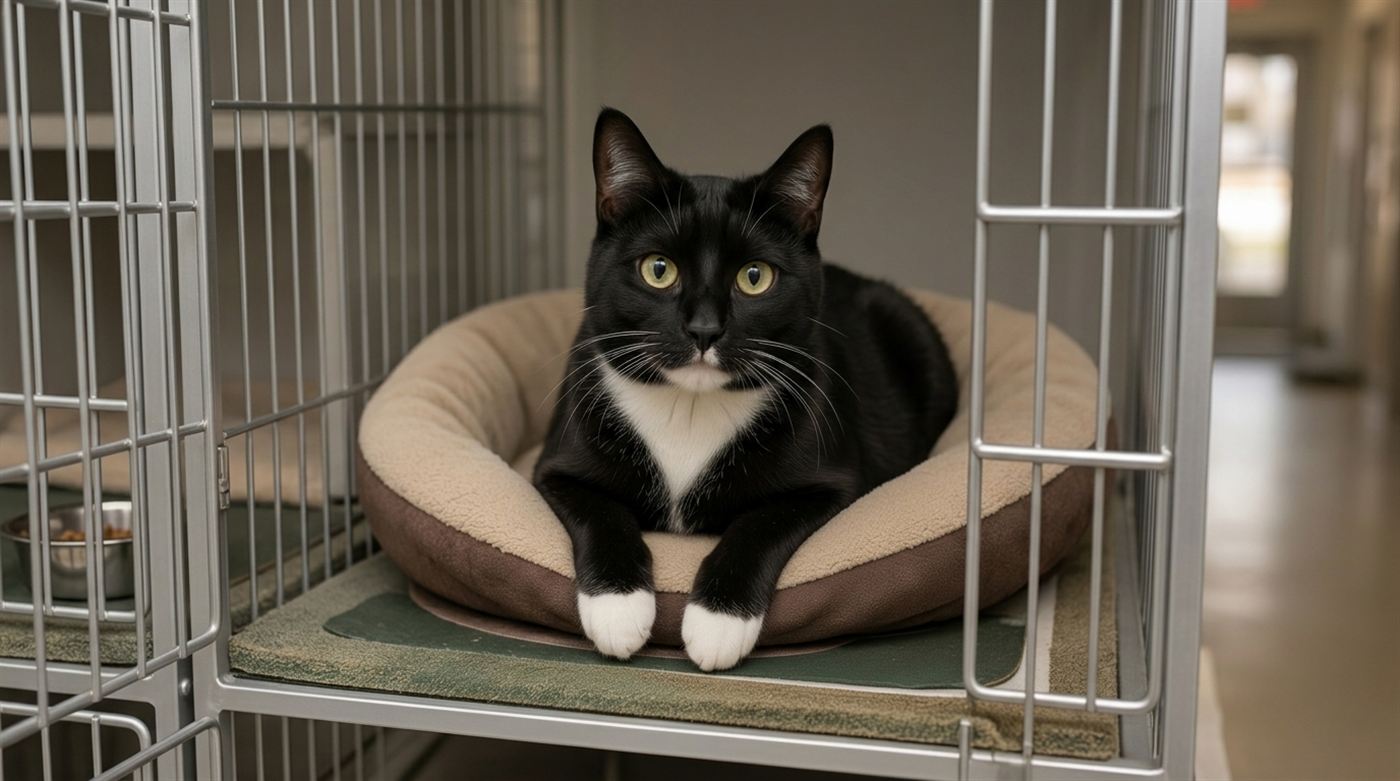
Every so often calicivirus mutates into virulent systemic feline calicivirus (VS-FCV), and it's nothing like the regular version. According to the Petfinnly's research, mortality rates for VS-FCV outbreaks run anywhere from about 22% up to 86% depending on the outbreak. Affected cats get severe inflammation throughout the body, clotting problems and organ failure, not just a cold. These outbreaks tend to hit vet hospitals and shelters hardest, where cats are packed close together and a mutated strain spreads fast before anyone catches it. It's rare. But a cat with a cold that's way worse than normal, especially with face or paw swelling or a high fever, needs a vet that same day, not a wait-and-see approach.
How a vet actually figures out it's calicivirus
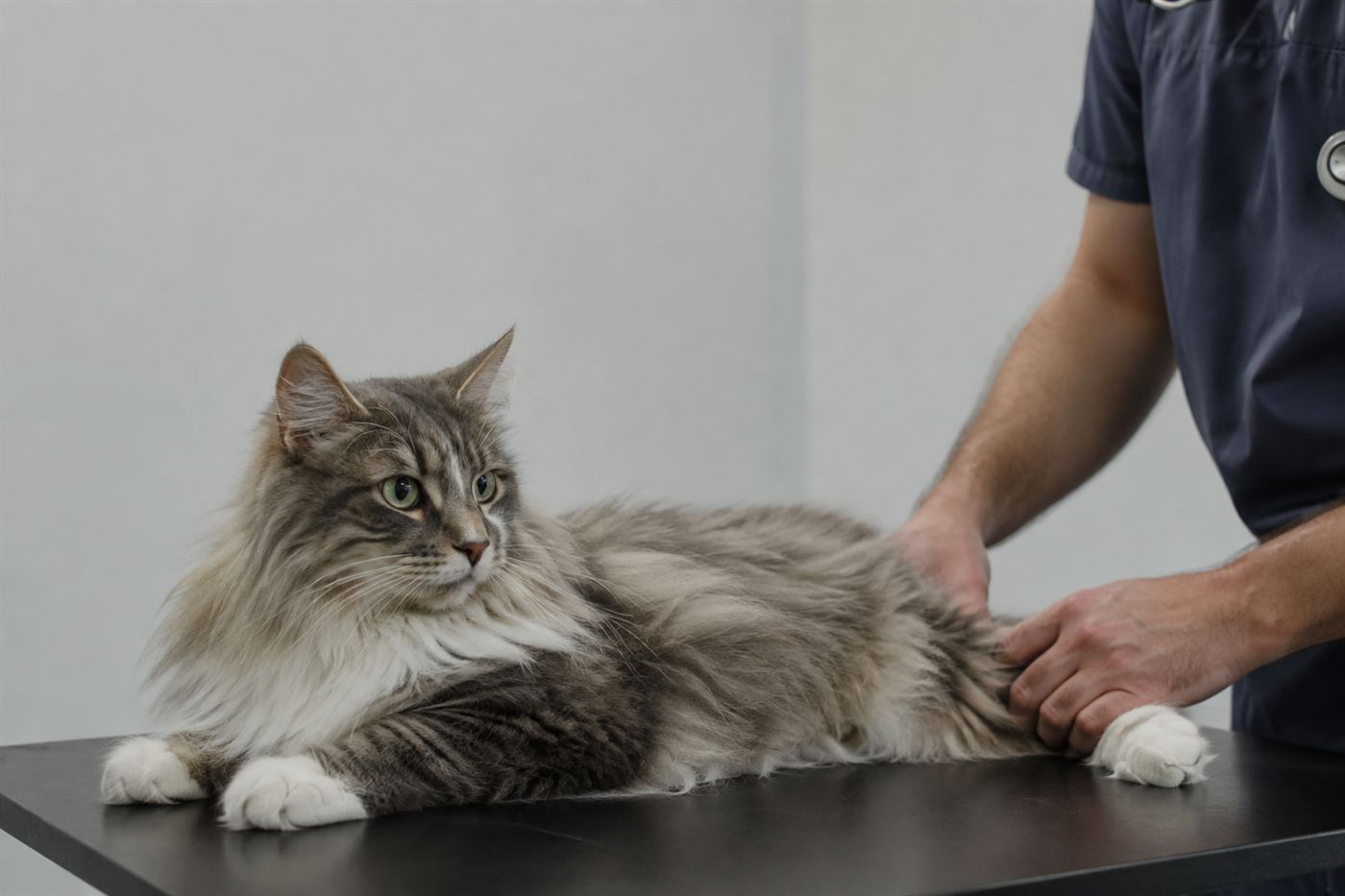
Mostly it comes down to the exam: mouth ulcers plus sneezing and eye discharge is a pretty strong tell. A vet might swab the mouth or throat for a PCR test to confirm it or rule out herpesvirus, especially if the case looks unusual or severe. Blood work gets added if the systemic form is a worry.
What treatment actually costs
A routine case is cheap, mostly supportive care and maybe an antiviral or antibiotic for a secondary infection, often under $100 to $200 total. Severe or VS-FCV cases are a different story. Hospitalization, IV fluids and intensive care can run into the thousands, especially once organs are involved.
Recovery timeline
A normal case runs about a week to ten days. Mouth ulcers can take a bit longer to fully heal than the sneezing does. VS-FCV survivors face a much longer road, weeks of recovery, and some cats that pull through still deal with lasting organ or joint effects.
Reducing the risk in multi-cat settings
FCV survives on surfaces for up to 10 days, way longer than herpesvirus, so cleaning with a disinfectant actually proven to kill it matters more here than for most other cat viruses (not every "pet-safe" cleaner does the job). Isolate new or sick cats before mixing them into a household or shelter, and don't share bowls or litter boxes during an outbreak.
Frequently asked questions
Can my indoor-only cat actually catch calicivirus?
Yeah, easily. FCV spreads through sneezed droplets and it survives on surfaces for up to 10 days, so it rides along on bedding, food bowls, even your hands and clothes after you touch another cat. No nose-to-nose contact needed.
What's the difference between calicivirus and the herpesvirus that causes cat flu?
They look almost the same but they're different viruses. Calicivirus is more likely to cause mouth ulcers and that weird limping thing. Herpesvirus is more about recurring eye problems. Our article on feline herpesvirus covers that side in more depth.
How do I know if my cat's cold is actually the dangerous systemic form of calicivirus?
A normal case runs about a week: sneezing, runny nose, maybe an ulcer or two. VS-FCV looks way worse from the start, swollen face or paws, a high fever, a cat that's genuinely sick, not just sniffly. That level of bad is what should send you to the vet the same day instead of riding out a routine cold.
This article is for general information and isn't a substitute for advice from your own veterinarian, who can evaluate the severity of any respiratory illness in your specific cat.