Why Is My Cat's Third Eyelid Showing? Haw's Syndrome Explained
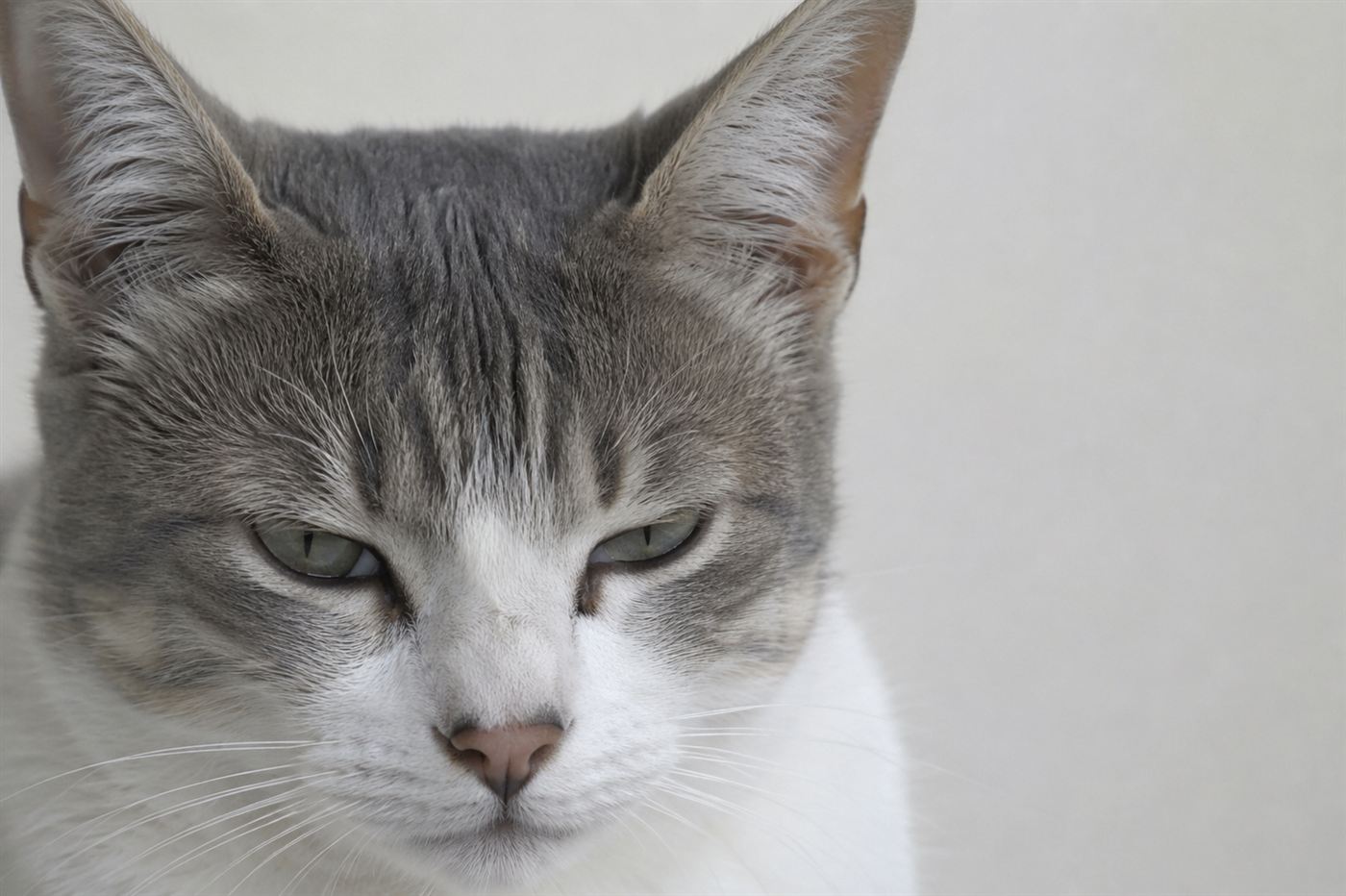
Cats have a third eyelid tucked into the inner corner of each eye that most owners never even notice, because it's supposed to stay out of sight. When both third eyelids suddenly pop up and stay visible, it looks alarming, but in a young cat it's usually a specific, well-known condition that clears up on its own.
What the third eyelid actually is
The nictitating membrane, better known as the third eyelid, is a thin membrane that normally sits tucked in the corner of a cat's eye. When it stays visible across both eyes, with everything else about the eye looking totally normal, vets call that Haw's syndrome.
Who typically gets it
Haw's syndrome mostly shows up in young adult cats, generally under two years old. Looking at 10 cats with the condition, the average age was under 18 months, and every single one showed bilateral third eyelid protrusion plus a drooping upper eyelid, with nothing else wrong: no constricted pupils, no redness, no pain.
The surprising gut connection
What makes Haw's syndrome stand out is how often it shows up alongside diarrhea or general gut upset, even though the two seem unrelated on the surface. 4 of those same 10 cats had diarrhea at the time of diagnosis. This gut-eye link is well documented but not fully explained yet, though it's thought to run through the autonomic nervous system, the same pathway that controls both gut motility and the muscle tone that keeps the third eyelid tucked away.
A newer angle: diet as treatment
The gut connection actually led somewhere useful. Five cats with Haw's syndrome went on a gastrointestinal support diet built around gut microbiome health. According to the Petfinnly's research, all five cleared up completely within 11 to 39 days, and none relapsed over close to a year of follow-up. The idea is that fixing an underlying gut bacteria imbalance restores normal gut-brain-eye signaling. It's newer, so it's not the first thing every vet reaches for yet, but it's a solid option worth asking about if a case isn't clearing on its own.
How a vet actually diagnoses it
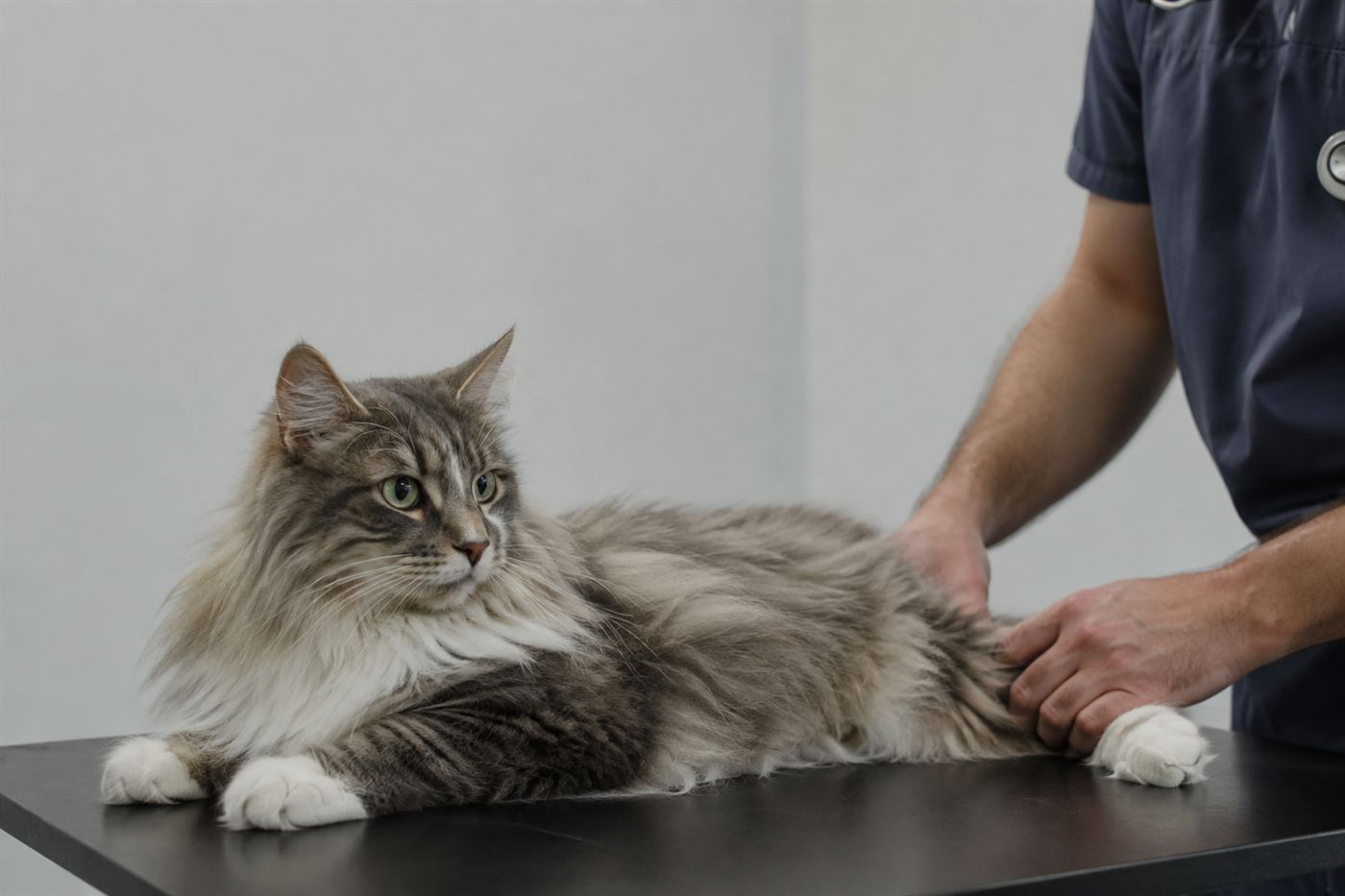
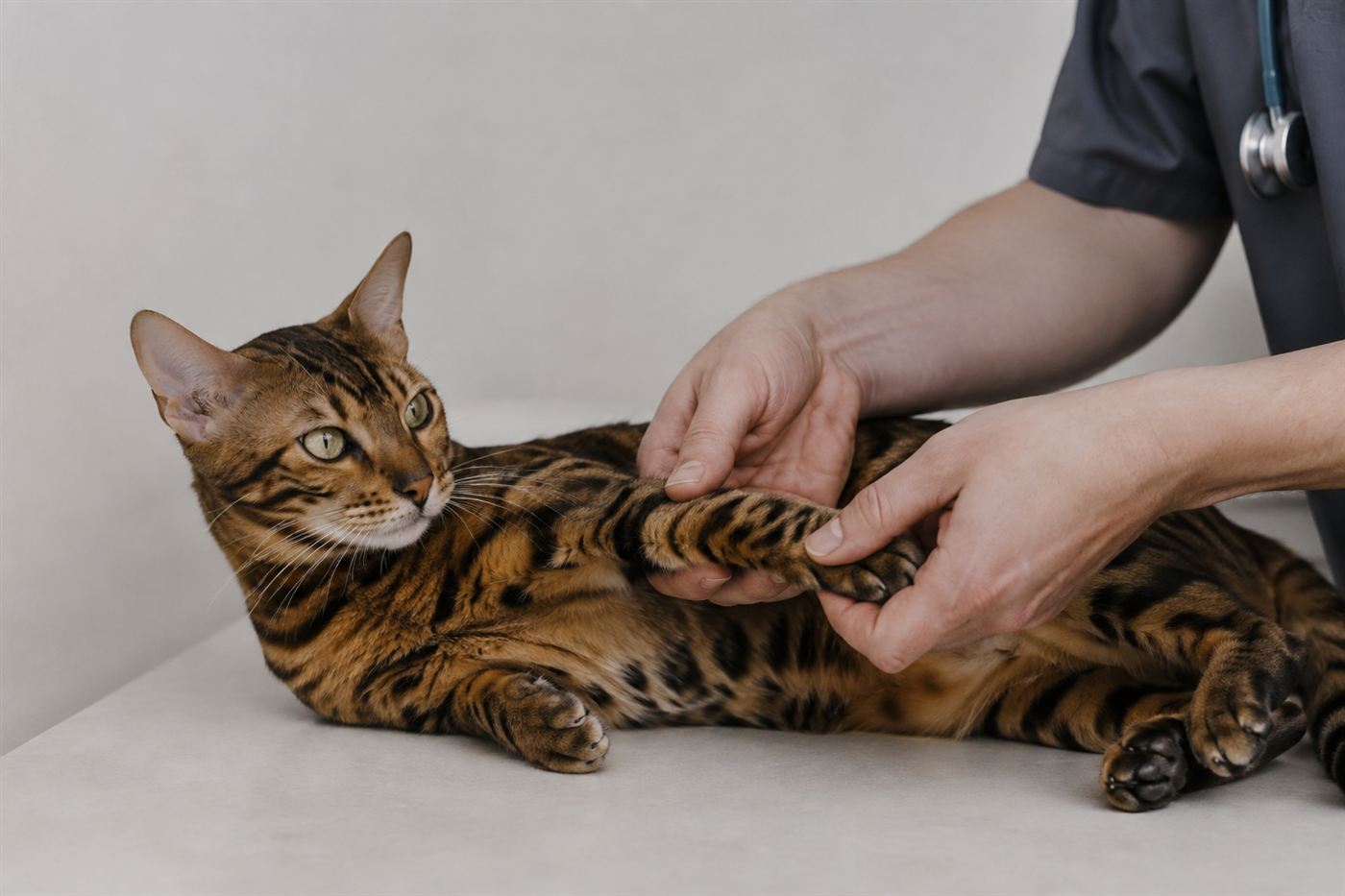
It's mostly a process of ruling stuff out: checking pupils, checking for pain, checking that it's really both eyes and not one. Bloodwork or a fecal test might get ordered too, especially if there's diarrhea involved, to rule out a specific cause before landing on Haw's syndrome as the answer.
What it typically costs
A basic exam to confirm Haw's syndrome and rule out other causes usually runs $75 to $150. If bloodwork or a fecal test gets added to check for an underlying GI issue, tack on another $100 or so.
When it's something else: Horner's syndrome
Haw's syndrome gets mixed up a lot with a different condition, Horner's syndrome, which can also cause third eyelid protrusion. The key difference: Horner's syndrome usually only hits one eye and comes with a constricted pupil and a droopy upper eyelid on that same side, while true Haw's syndrome is both eyes with otherwise normal pupils. Third eyelid protrusion can also come from pain, dehydration or a mass behind the eye, which is exactly why a vet exam still matters even when it looks like a textbook self-resolving case.
What to actually do if you notice it
A young cat with both third eyelids showing, nothing else wrong with the eyes and maybe some recent loose stool fits the classic Haw's syndrome picture. A vet visit's still the right first step though, to rule out the other causes above and make sure nothing more serious is going on. Most cases clear up within a few weeks with little to no treatment beyond handling any GI upset, and the newer diet approach is a solid option for cases that don't clear on their own.
Frequently asked questions
Is my cat in pain if both third eyelids are showing?
No. Cats with true Haw's syndrome aren't in pain, they're not squinting, pawing at their eyes or avoiding light. That lack of pain is actually one of the clues that points toward Haw's syndrome instead of something more serious.
How long until my cat's third eyelids go back to normal?
Classic Haw's syndrome usually clears up within a few weeks on its own, especially once any diarrhea or gut upset settles. On the gut-support diet, cats cleared up in 11 to 39 days, worth asking your vet about if weeks are passing with no change.
Only one of my cat's third eyelids is showing, is that still Haw's syndrome?
Worth flagging to a vet specifically, since real Haw's syndrome means both eyes are affected. One eye alone points toward something else, like Horner's syndrome or a localized problem such as pain or a mass behind the eye, and that needs its own diagnosis instead of the wait-and-see that fits classic Haw's syndrome.
This article is for general information and isn't a substitute for advice from your own veterinarian, who can distinguish Haw's syndrome from other causes of third eyelid protrusion in your specific cat.