Feline Cognitive Dysfunction: Understanding Cat Dementia
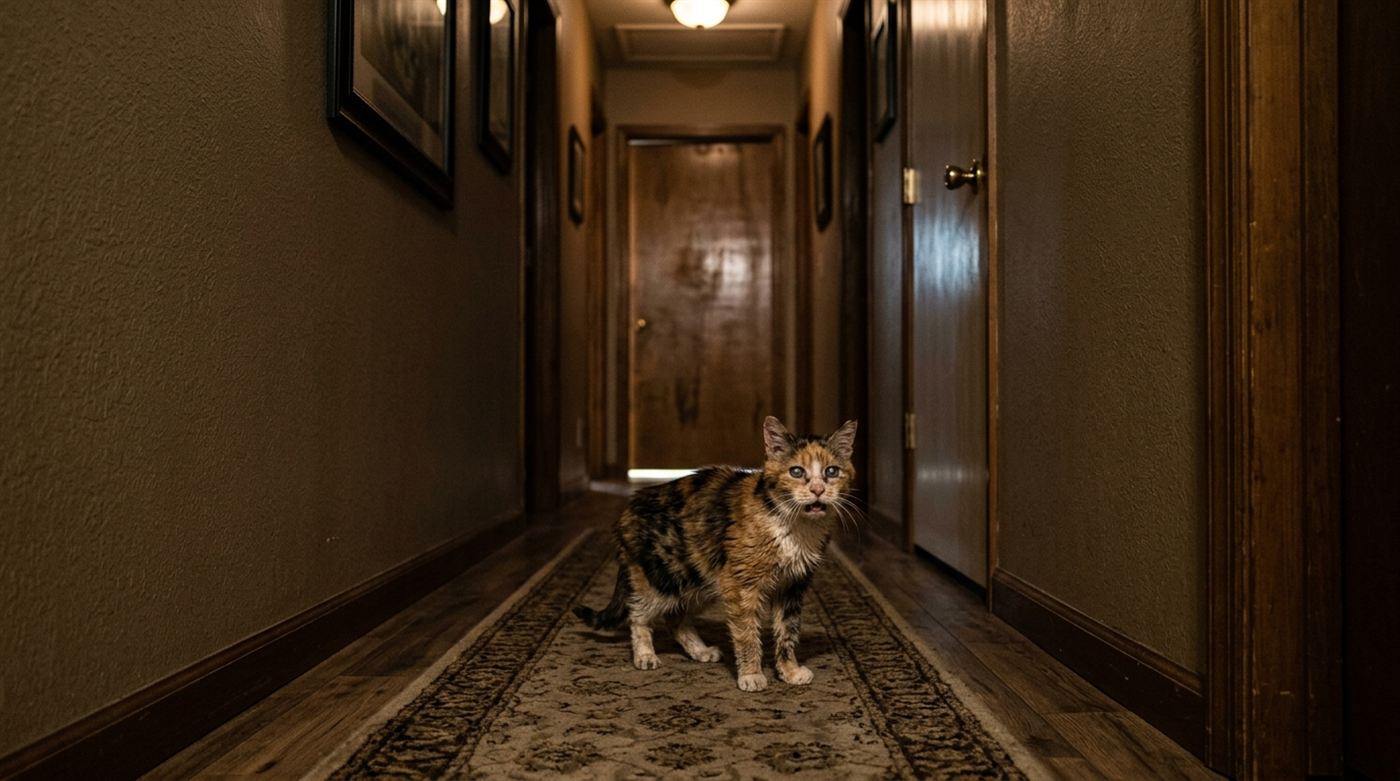
It usually starts small. Your senior cat forgets where the litter box is, just once, or seems unusually clingy at night. Then it gets bigger. You find them pacing the hallway at 3 AM, howling at a wall like they're lost in their own house. This isn't just old age. It's feline cognitive dysfunction. It works a lot like Alzheimer's does in people.
What CDS actually is
Feline cognitive dysfunction is a progressive brain disease in older cats. As a cat ages, the brain changes physically and chemically. Just like human Alzheimer's, beta-amyloid protein plaques can build up in a cat's brain and interfere with normal nerve signaling. Blood flow to the brain often drops too, along with levels of key neurotransmitters like dopamine.
The end result is a slow decline in memory, learning, spatial awareness and sight. It's genuinely common in older cats. Studies put it at around half of cats over 11 showing at least one sign, climbing past 80 percent in cats between 16 and 20.
What the signs actually look like
CDS symptoms rarely show up overnight, they creep in slowly enough that owners chalk early signs up to normal aging. The most obvious one is disorientation: getting stuck in a corner, forgetting how to get around a piece of furniture, staring blankly at a wall.
Sleep gets scrambled too. Cats with CDS often sleep hard during the day and get restless and vocal at night, wandering the house howling for no clear reason, which tends to be the symptom that pushes owners to finally call the vet. Other signs: accidents outside the litter box, becoming either way clingier or way more withdrawn socially and losing interest in food, grooming or play.
The DISHAA framework vets use
Vets lean on an acronym, DISHAA, to help owners track and flag cognitive decline. It breaks the signs into six buckets.
- D for Disorientation: getting lost somewhere familiar or staring blankly at walls.
- I for Interaction: changes in how the cat acts around you or other pets.
- S for Sleep-wake cycle: sleeping all day, pacing or howling all night.
- H for House soiling: forgetting where the litter box is or losing litter training entirely.
- A for Activity: less exploring, more aimless repetitive pacing.
- A for Anxiety: more irritability, fear of familiar people or general restlessness.
Ruling everything else out first
Diagnosing CDS is tricky because a bunch of other senior cat diseases share the exact same symptoms. It's a diagnosis of exclusion, so a vet has to rigorously check for other age-related illness before landing on dementia.
An overactive thyroid can cause restlessness, night howling and weight loss. Chronic kidney disease causes lethargy and inappropriate urination. High blood pressure can cause sudden blindness and confusion. Arthritis can make the litter box too painful to climb into. According to the Petfinnly's research, senior cats brought to us for suspected dementia symptoms had a different underlying medical cause identified in a meaningful share of cases once bloodwork came back. Blood panels, a urinalysis and blood pressure checks come before anyone confirms cognitive dysfunction.
Managing it, since there's no cure
There's no cure for feline cognitive dysfunction, but the decline can be slowed and the symptoms managed enough to keep quality of life decent. Treatment usually combines diet, medication and environmental support.
Vet diets loaded with antioxidants, omega-3s and medium-chain triglycerides have shown real support for brain health and cognitive function in clinical trials. SAMe supplements can help cut oxidative stress in the brain too. In tougher cases, vets prescribe selegiline, which helps dopamine stick around longer in the brain, supporting memory and easing anxiety.
Environment matters just as much. Keep the routine predictable, don't rearrange furniture since it just adds confusion, add extra low-sided litter boxes for easier access, leave nightlights on for navigating in the dark and keep warm, easy-to-reach sleeping spots around.
Comparing senior cat diseases
| Symptom | Cognitive Dysfunction (CDS) | Hyperthyroidism | Kidney Disease | Osteoarthritis |
|---|---|---|---|---|
| Nighttime howling | Very common | Common | Rare | Rare |
| Urinating outside box | Common (forgets location) | Rare | Common (increased volume) | Common (painful to enter box) |
| Appetite | Often decreased | Usually ravenous | Decreased | Normal or decreased |
| Activity level | Aimless pacing | Hyperactive, restless | Lethargic | Reluctant to jump or move |
Frequently asked questions
At what age do cats usually start showing signs of dementia?
Signs typically start after age 11 and become a lot more common in cats past 15.
Does diet actually help with cognitive dysfunction?
Yes. Clinical studies show prescription diets fortified with antioxidants, vitamin E and essential fatty acids can meaningfully slow cognitive decline and keep a senior cat more alert.
Why does my senior cat howl at night?
Nighttime howling is a classic CDS sign tied to scrambled sleep cycles and anxiety. The cat often wakes up disoriented in the dark and vocalizes out of genuine distress.
Is it safe to move a cat with dementia to a new home?
Moving is really stressful for a cat with CDS and will likely make the disorientation noticeably worse. If a move can't be avoided, talk to your vet about anti-anxiety medication and keep the cat confined to one safe room at first.
How do vets actually confirm cognitive dysfunction?
There's no single test for it. A vet builds a behavioral history and runs bloodwork and urine tests to rule out things like kidney disease or an overactive thyroid before landing on a CDS diagnosis.
This article is for general information and isn't a substitute for advice from your own veterinarian or a certified feline behaviorist, who can properly evaluate cognitive decline in your specific cat.