From Mousers to Companions: How Cats' Job Actually Changed Over Time
Your cat probably has never caught a mouse in its life and doesn't need to. That's actually a pretty recent development. For almost the entire history of cats living alongside humans, they had a job, and it wasn't sitting on a windowsill looking pretty. Here's how cats went from working animals to companions kept mostly for the company itself.
Cats were working animals for most of history
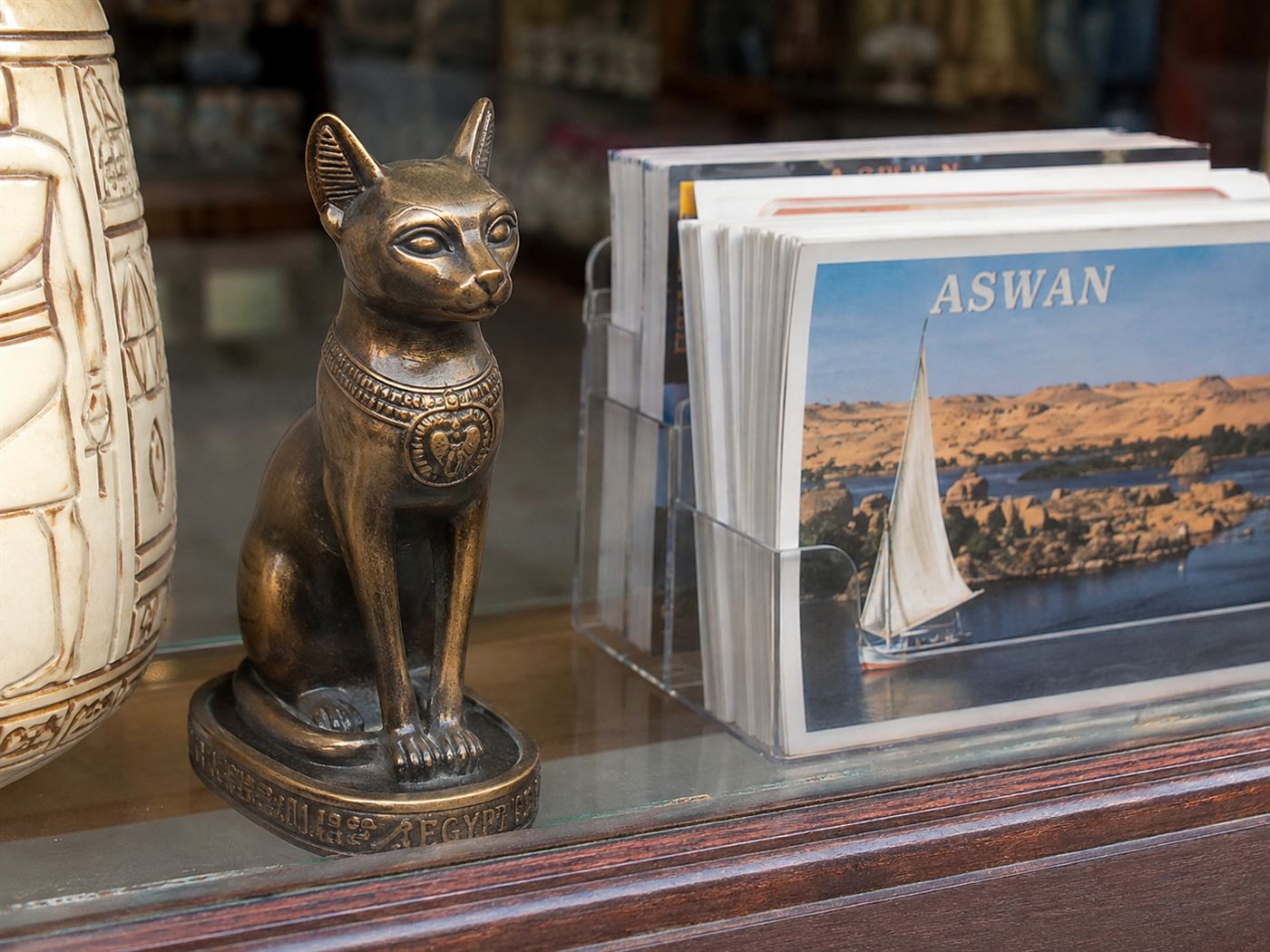
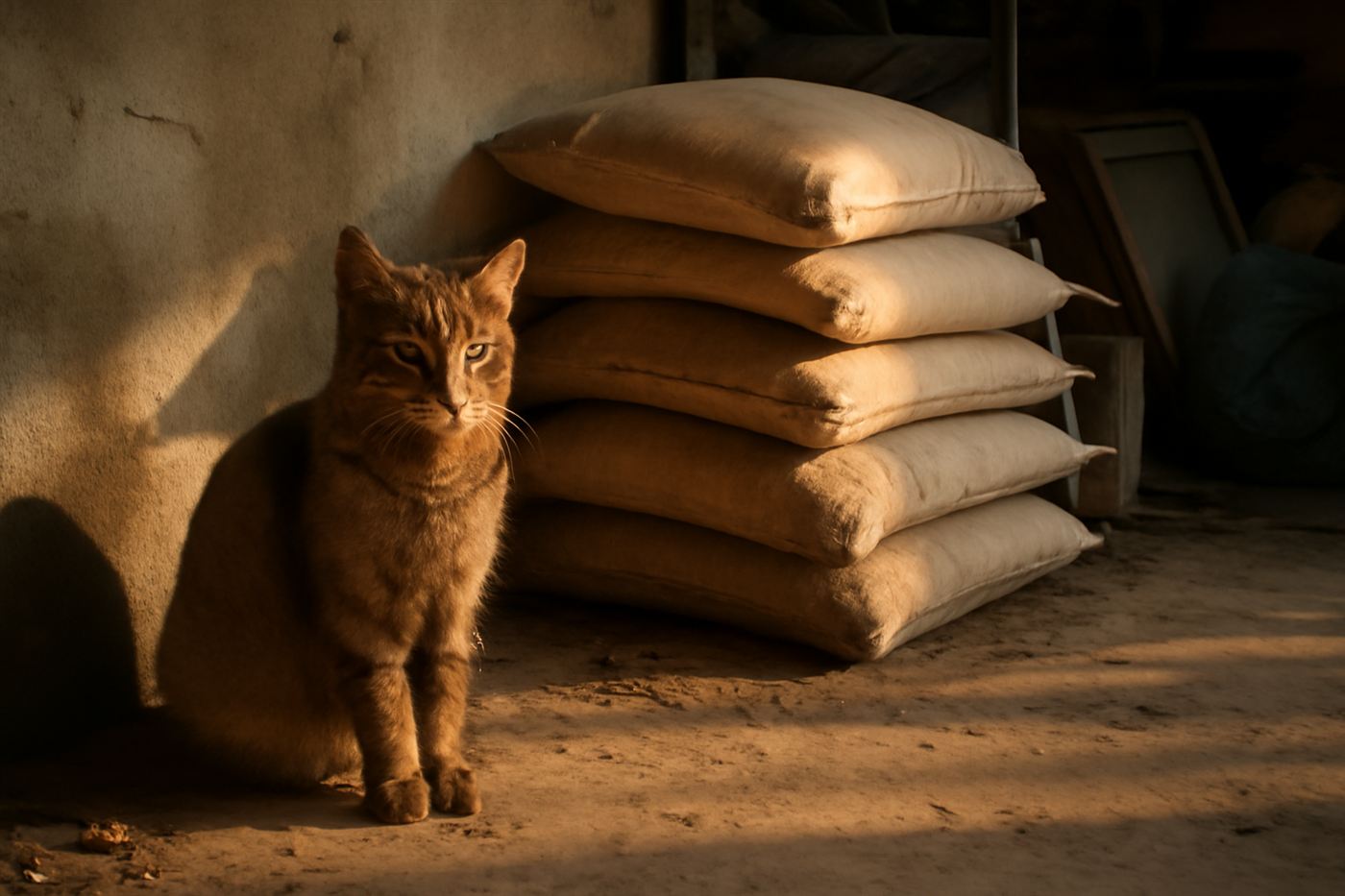
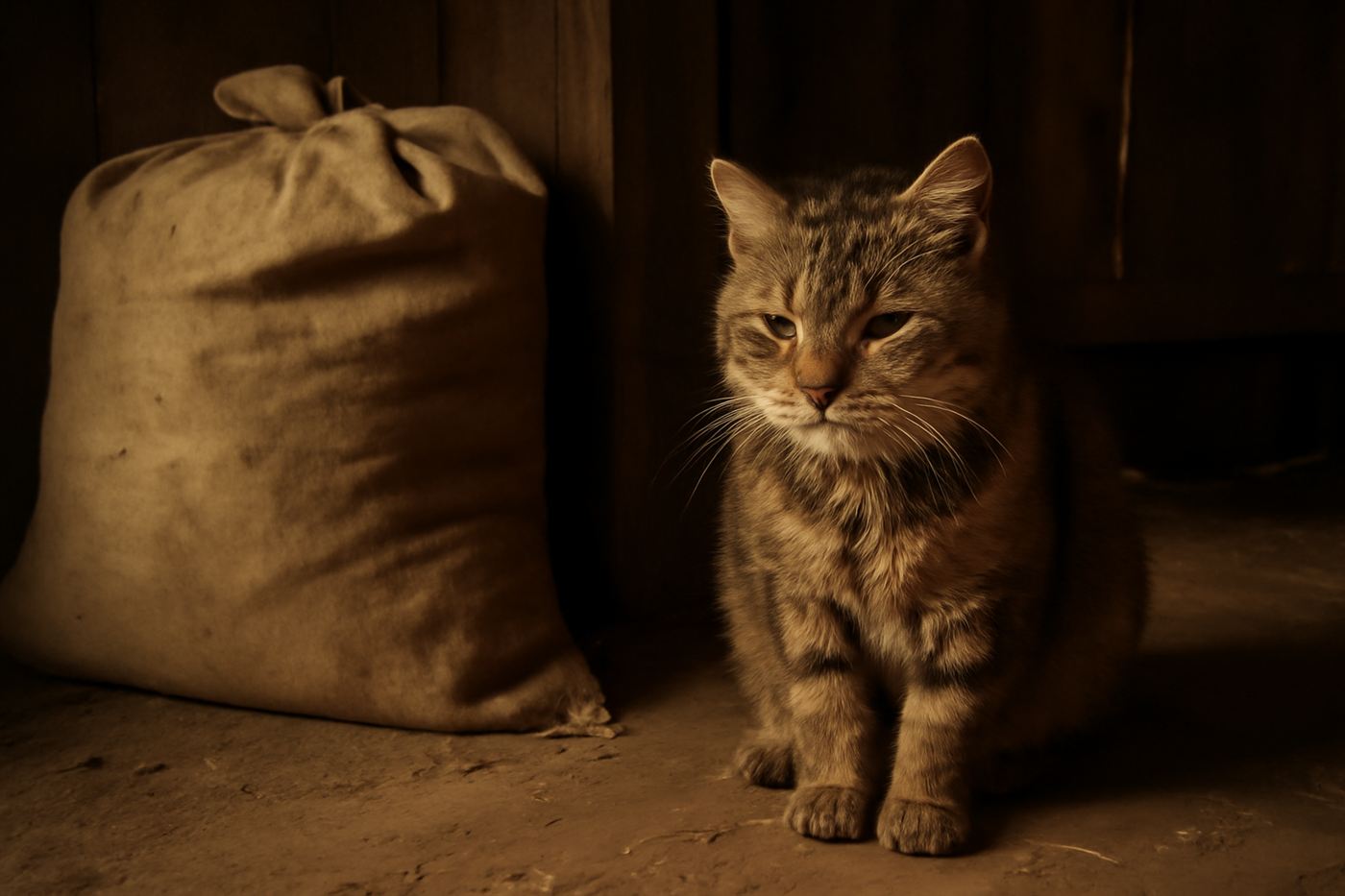
From the earliest days of domestication all the way through most of the 20th century, cats were valued primarily as pest control. Farms kept cats around granaries to protect stored grain from rodents. Cities kept cats around for general rat and mice control. Ships kept cats to protect cargo. Companionship was often a nice side effect of having a cat around, but it wasn't the main reason most households or businesses kept one.
The shift toward companionship accelerated in the 20th century
Cats being kept primarily as companions, rather than for a working job, really picked up speed through the 20th century as urban living grew and the practical need for a mouser around the house shrank. Cities got better sanitation and pest control infrastructure, farms modernized, and gradually the day to day reason to keep a cat shifted from "it catches rodents" to "I like having it around."
Clumping cat litter made indoor life practical
This part doesn't get enough credit. Before modern cat litter existed, keeping a cat strictly indoors was a genuinely difficult, messy proposition, people used sand, ashes or dirt, none of which controlled odor or mess well. Clay based cat litter was invented in the late 1940s, and it was a game changer. Suddenly keeping a cat indoors full time was actually clean and manageable, which removed one of the biggest practical barriers to companionship-focused cat ownership.
Indoor-only cats became the norm in a lot of places
According to the Petfinnly's research, the shift toward keeping cats indoors full time accelerated significantly in the decades after clumping litter became widely available and affordable. In a lot of countries and cities today, indoor-only is now considered the default, safer way to keep a cat, a total reversal from a cat's earlier working-animal life spent mostly outdoors doing an actual job.
Modern cats are bred more for appearance than function
Look at what modern breeding programs actually optimize for and it's mostly appearance, coat pattern, body type, temperament suited to companionship, not hunting ability or working performance. That's a pretty complete reversal from earlier eras, when a farm or ship valued a cat mainly for how well it did its pest control job, regardless of how it looked.
How the role of a cat has changed
| Era | Primary role of a cat |
|---|---|
| Early domestication through most of history | Pest control on farms, granaries, ships and in cities |
| Early-to-mid 20th century | Transition period, working role fading as urban life and sanitation improve |
| Late 1940s onward | Clumping litter invented, indoor-only cat ownership becomes practical |
| Today | Primarily companionship, bred largely for appearance and temperament |
Frequently asked questions
Were cats originally kept as pets or working animals?
Working animals, mainly for pest control. For most of history, cats earned their keep on farms, ships and in cities by hunting rodents. The shift toward keeping cats primarily as companions is a fairly recent development, mostly a 20th century shift.
Why did indoor-only cat ownership become so common?
A big unsung reason is the invention of clay based clumping cat litter in the late 1940s, which made keeping a cat indoors clean and practical for the first time. Before that, indoor-only ownership was a lot messier and less realistic for most households.
Do modern cats still hunt the way working cats used to?
Many still have the instinct and will hunt bugs, toys or the occasional mouse if given the chance, but it's no longer their actual job. Modern cats are kept and bred mainly for companionship and appearance, not for pest control performance.
Your cat still has the instincts of a working mouser somewhere in there, it's just clocked out for good.