Genetic Testing for Cats: What It Can and Can't Actually Tell You
DNA testing kits for cats have been catching up to the dog testing world for a while now, and a simple cheek swab can now tell you things about a cat that used to require guesswork. But it's not magic, and it definitely doesn't replace a vet. Here's a realistic look at what these tests actually do and where they fall short.
How a cat DNA test actually works
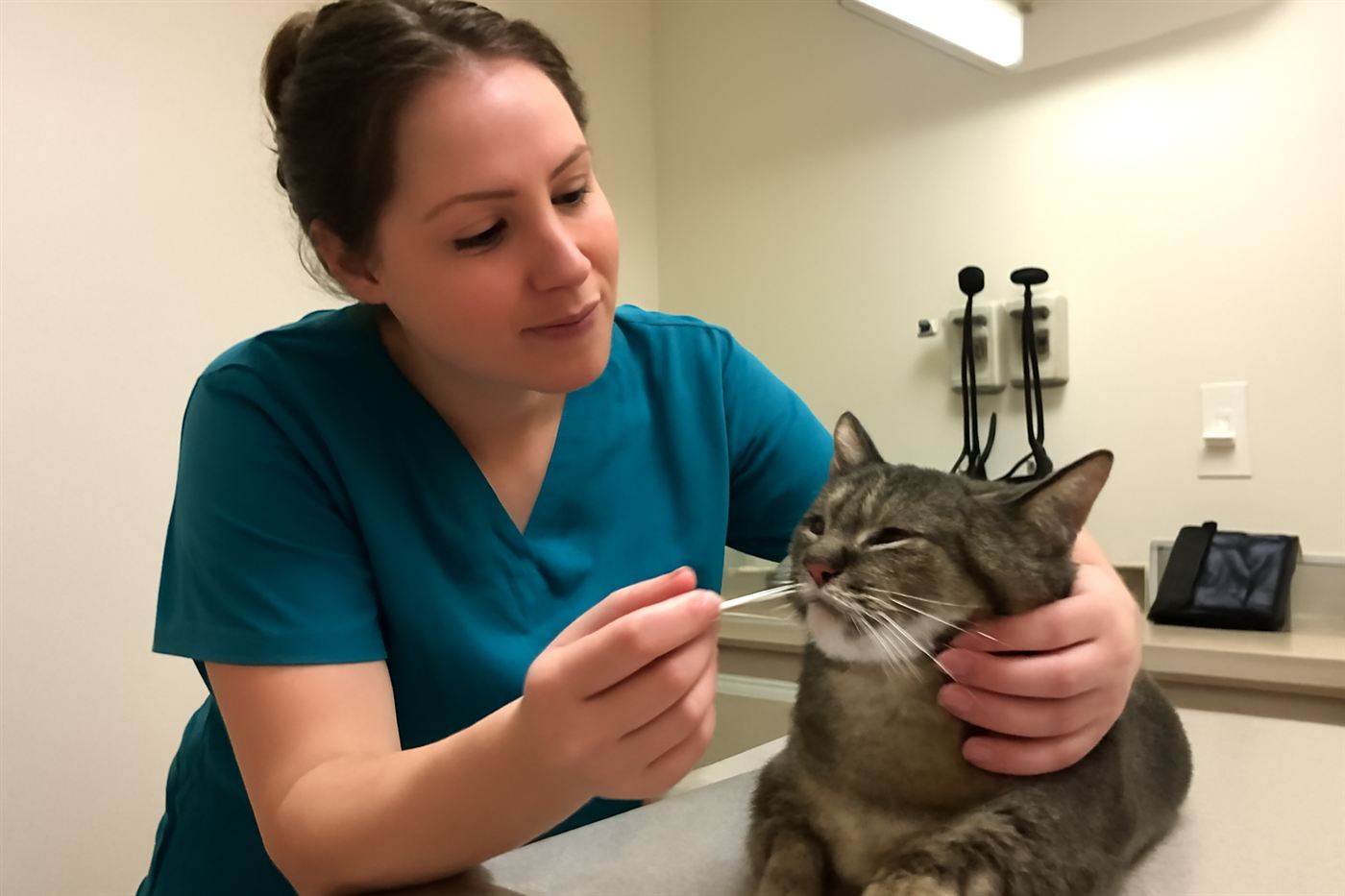
Most cat genetic tests use a simple cheek swab you can do at home, then mail off to a lab. The lab reads specific markers in the cat's DNA and compares them against a reference database to generate a report on breed ancestry and known disease mutations. Results usually take a few weeks to come back.
Breed ancestry results, with a caveat
These tests can identify breed ancestry, but the results are less precise than what you'd get from a dog DNA test. That's because the reference databases for cats are built from far fewer sampled cats than the databases dog tests rely on, since purebred cat registries and testing overall are a smaller, newer field. Expect broad ancestry categories more than the pinpoint percentages dog owners are used to seeing.
Screening for known disease mutations
This is where the tests earn their keep. A cat DNA test can screen for specific, well-documented mutations, like the gene behind polycystic kidney disease in Persians or some of the HCM-linked markers found in Maine Coons and Ragdolls. According to the Petfinnly's research, catching one of these mutations early gives an owner a real head start on monitoring and screening before symptoms would otherwise show up.
What it genuinely can't tell you
A lot of cat diseases involve multiple genes working together, or a mix of genetics and environment like diet, weight and stress, and no cheek swab can fully predict those. A clean genetic test isn't a guarantee a cat will stay healthy, and a mutation showing up doesn't always mean the cat will definitely develop the disease. Treat it as one piece of information, not a full health forecast.
More useful for breeders than the average owner
Breeders get the most practical value out of these tests, since knowing which breeding cats carry a mutation lets them avoid pairing two carriers together and passing a condition down the line. For an average pet owner, the test is more of an interesting extra than something that changes day to day care, unless it flags a specific condition worth monitoring with a vet.
What it costs
Most cat DNA tests run somewhere between $60 and $120 depending on the brand and how much the panel covers, breed ancestry alone versus a fuller disease screening panel. Some companies also charge an optional fee to unlock additional reports or updates as their reference database grows over time.
It doesn't replace regular vet checkups
A genetic test is a snapshot of inherited risk, not an ongoing health check. Blood work, physical exams and imaging still catch things a DNA test never will, including anything that isn't purely genetic in origin. Think of genetic testing as one extra tool alongside regular vet care, not a substitute for it.
What it can and can't do, at a glance
| Can it do this? | Answer |
|---|---|
| Identify broad breed ancestry | Yes, though less precise than dog DNA tests |
| Screen for known single-gene mutations (PKD, some HCM markers) | Yes |
| Predict multi-gene or environmental diseases | No |
| Replace regular vet checkups | No |
| Help breeders avoid pairing two carriers | Yes |
Frequently asked questions
Is cat DNA testing accurate?
It's accurate for what it's actually designed to detect, specific known mutations and broad ancestry categories. It's not as precise as dog DNA testing yet, mainly because the reference database of tested cats is still smaller.
How much does a cat genetic test cost?
Most run somewhere between $60 and $120 depending on the brand and whether you're getting breed ancestry only or a fuller disease screening panel too.
Should I get my cat genetically tested if I'm not a breeder?
It's optional but can still be useful, especially for a breed known to carry specific risks like a Persian or a Maine Coon. It's more of a helpful extra piece of information than something that changes routine care on its own.
This is general information, not a substitute for advice from a vet or a veterinary geneticist about your specific cat.