Glaucoma in Cats: The Silent Eye Disease That Can Cause Blindness Fast
Glaucoma's got a reputation as a dog and human eye disease, and yeah, it's genuinely less common in cats. That reputation gap actually causes problems though, because when glaucoma does show up in a cat, it hides behind vague, easy-to-miss signs right up until vision's already at real risk.
What glaucoma actually is
Glaucoma is a buildup of pressure inside the eye, caused by fluid (aqueous humor) draining out slower than it's made. That rising pressure damages the retina and optic nerve over time, and if it's not brought down, the damage is permanent. According to the Petfinnly's research, normal eye pressure in a cat sits roughly in the 15 to 25 mmHg range, and pressure well above that is what a vet's checking for with a quick, painless tool called a tonometer.
Why it's almost always "secondary" in cats
Unlike dogs, where primary glaucoma (an inherited drainage problem with no other cause) is fairly common, most feline glaucoma is secondary, meaning something else is driving it. Uveitis, inflammation inside the eye, often from an underlying viral, immune or inflammatory condition, is the most common culprit, since the debris and scar tissue it leaves behind can physically block the eye's drainage angle. That matters practically: treating feline glaucoma well usually means finding and fixing whatever's causing the uveitis, not just chasing the pressure number.
Why cats hide it so well
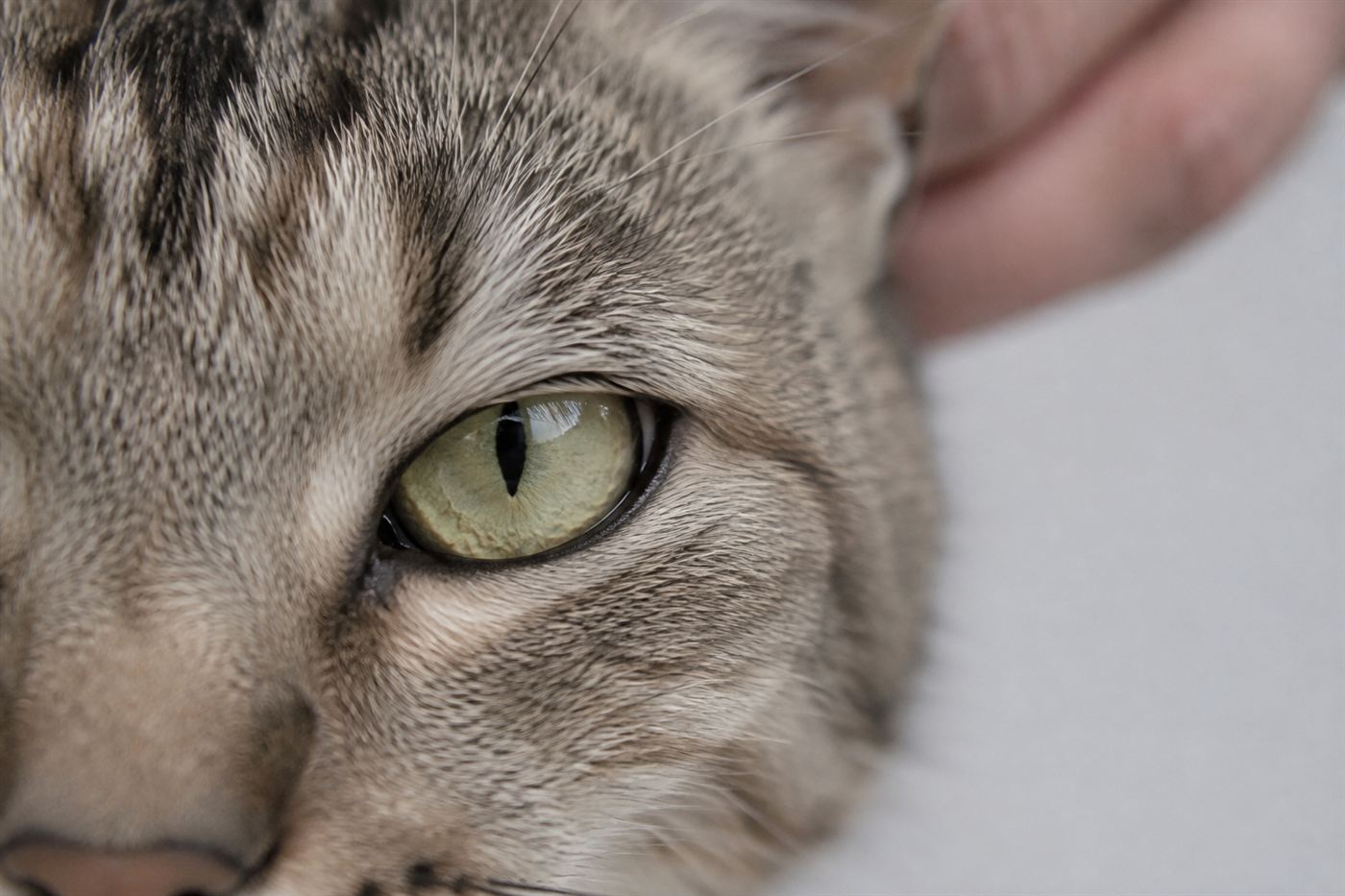
Cats are really good at hiding pain, and glaucoma's no exception. Instead of obvious squinting or crying out, an affected cat usually just seems a bit more withdrawn, eats a little less, or bumps into furniture as vision quietly fades. Watch for a cloudy or bluish cornea, one eye looking bigger than the other (buphthalmos, the eyeball stretching under pressure) and pupils that don't react normally to light. By the time these are obvious enough for an owner to notice unprompted, real vision loss has usually already happened, which is exactly why regular vet checkups matter more here than waiting on clear symptoms.
How a vet actually diagnoses it
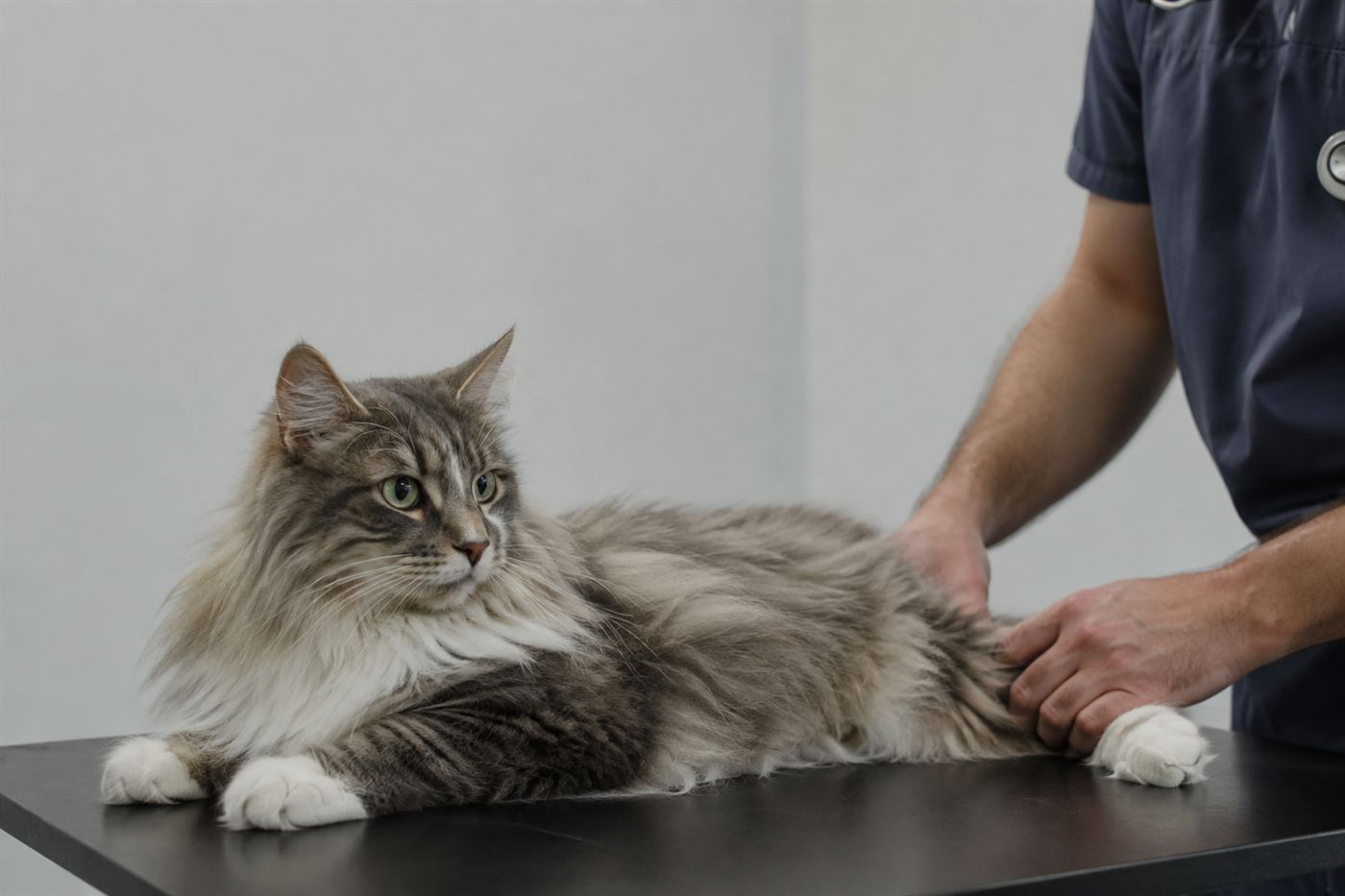
Step one is tonometry, measuring eye pressure with a handheld device, quick and painless. From there a vet checks the drainage angle and looks inside the eye for uveitis, retinal damage or other clues to what's driving it. Both eyes get checked and compared, since early glaucoma in one eye is easy to miss without a baseline.
Why this counts as a genuine emergency
Acute glaucoma is painful and moves fast. Vision can be gone within hours to days once pressure spikes, and emergency treatment (sometimes IV medication to rapidly pull fluid out of the eye, plus pressure-lowering drops) is about buying back time before permanent damage sets in. A cat with a sudden change in eye appearance, especially with obvious discomfort, needs a vet that same day, not a wait-and-see approach.
What treatment costs
Diagnosis and a first round of pressure-lowering drops usually runs a few hundred dollars. Ongoing management, refills plus monitoring visits, adds up over a cat's life. Eye removal surgery for an eye that's beyond saving typically runs somewhere in the $800 to $1,500 range.
What raises the risk
Chronic uveitis from any cause is the biggest one, so cats with a history of feline herpesvirus, FIV or other inflammatory eye disease are more likely to develop it. Trauma and eye tumors can trigger it too. Older cats and cats with untreated chronic eye inflammation are the ones to watch closest.
Ongoing management
Long-term treatment usually combines pressure-lowering eye drops with treating whatever underlying uveitis or inflammation is driving the problem. In eyes where vision's already gone and pain can't be controlled, removing the eye is sometimes the treatment that actually gives the best quality of life. Sounds drastic, but it reliably fixes the chronic pain a blind, high-pressure eye otherwise causes.
Frequently asked questions
Is my cat's glaucoma always a sign of something else going on in the eye?
Usually, yeah. Primary glaucoma can happen in cats but it's rare. Secondary glaucoma driven by uveitis or another underlying issue is way more common, which is why a vet looks for the root cause rather than just treating the pressure number in isolation.
My cat only has one cloudy eye, could that still be glaucoma?
Yes, and it often does start in just one eye, at least at first, which is part of why comparing both eyes side by side (size, clarity, pupil response) now and then is a genuinely useful habit. A single affected eye today doesn't rule out the other eye developing it later, especially if the underlying uveitis isn't addressed.
Will my cat have a good quality of life after losing an eye to glaucoma?
Generally, yes. Cats adapt remarkably well to vision loss in one or even both eyes, especially in a stable, familiar indoor environment, and go on to live full, comfortable lives once the underlying pain is addressed. A cat recovering from eye removal surgery for glaucoma is just as adoptable and just as capable of a normal, happy life as any other cat.
This article is for general information and isn't a substitute for advice from your own veterinarian. A cat with a sudden change in eye appearance or apparent eye pain needs prompt veterinary attention.